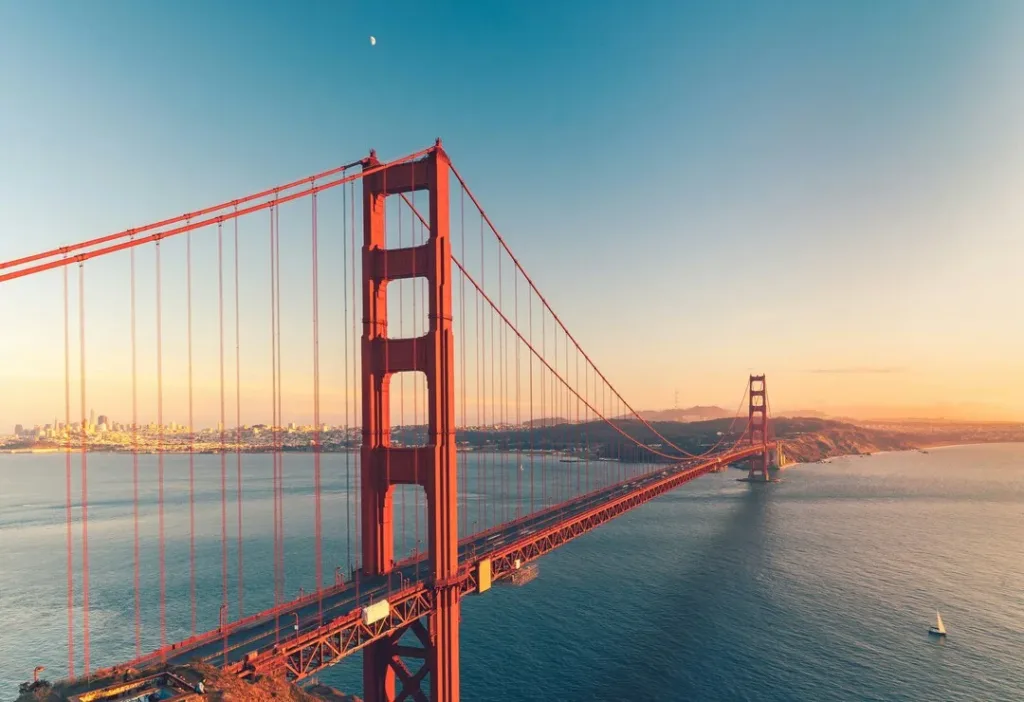
Not For Sale’s people work in the United States began in San Francisco, where co-founders Dr. David Batstone and Mark Wexler launched the organization in 2007. The U.S. remains Not For Sale’s headquarters and the base from which all global programs are coordinated, funded, and strategically directed.
By the numbers
0
People supported since 2007
0
Trees planted through U.S. reforestation projects
0
Tonnes CO₂ sequestered
What We Found
The United States is both a source and destination country for human trafficking. Forced labor occurs in agriculture, domestic work, construction, hospitality, and illicit industries. Sex trafficking affects both U.S. citizens and foreign nationals. The U.S. is also the world’s largest consumer economy, meaning American demand drives supply chains linked to forced labor and ecocide in every country where Not For Sale works.
Escalating megafires across the western and southern United States, new lithium and mineral projects in fragile desert ecosystems, and the country’s role as a major importer of high-risk commodities all connect the U.S. to the ecocide crisis globally.
What We Have Built
Past U.S. programs: Not For Sale operated Reinvent, a survivor reintegration program, and Dignita SF, providing employment and training for trafficking survivors in the San Francisco Bay Area. These domestic programs have since been wound down as Not For Sale shifted resources toward its global field operations and social innovation ventures.
Free2Work and SlaveryMap: Not For Sale created Free2Work, a supply chain transparency tool that rated companies on their exposure to forced labor, and SlaveryMap, an interactive tool allowing users to report and visualize trafficking incidents. Both were pioneering digital tools in the anti-trafficking space.
Free2Play: A campaign and awareness initiative connecting the sports community to the fight against modern-day slavery.
Not For Sale’s planet work in the United States is delivered through the Tree-Nation reforestation platform, contributing to domestic reforestation and carbon sequestration across the National Forests and California’s post-fire landscape.
Not For Sale’s social innovation work in the United States is where the global model is designed and deployed. The Impact Stack, the framework that produced REBBL in Peru, Dignita in the Netherlands, and the Entrepreneurship Challenge in Uganda, was conceived, tested, and refined here.
Active U.S.-Based Ventures
REBBL: A nationally distributed beverage company sourcing ingredients from communities vulnerable to trafficking. Born from the 2011 Montara Circle in California. Returns 2.5% of net revenue to Not For Sale.
Regenerate Technology Global: A battery recycling company recovering critical minerals from spent batteries, reducing demand for the primary extraction that drives both ecocide and trafficking in the DRC and globally. Operations in the EU and U.S.
M2i Global: A sustainable minerals company building a U.S. minerals reserve while deploying policy and technology solutions to reduce forced labor and ecocide risk in global supply chains. Currently undergoing merger with Velato.
The Art of Being a REBBL: A book co-authored by Mark Wexler and David Batstone, The Art of Being a REBBL: 10 Rules to Becoming a Punk Capitalist, documenting the social innovation thesis and the stories behind it.
The Changemaker Chronicles: A 10-part documentary series in development with Emmy Award-winning Terra Mater Studios, featuring Not For Sale’s origin story and cooperative work in Peru, Thailand, and the DRC.
Maintaining a healthy forest that is heavily visited by humans is essential to prevent any tragedies and keep it as natural as possible
That starts with keeping trails clear, and not just of fallen branches and brush.
Litter left by visitors adds up fast in heavily used areas, and once it gets buried or scattered, it's far harder to remove than it was to pack out in the first place. A forest stays wild when visitors treat it that way, leaving nothing behind but footprints.
Forests don't stay healthy on their own once people are using and living nearby
Regular thinning, removal of dead material, and monitoring for disease are what keep a forest resilient instead of vulnerable to fire or pests.
The Forest Service carries out this kind of work continuously, often with little visible trace once it's done, and it's what allows a forest to keep standing for decades.
After a fire, it isn't. The soil has to be checked, the spot has to be right, and the timing has to work with whatever the season throws at it, snow included.
This is what post-fire restoration actually looks like up close: not a single dramatic moment, but thousands of small, deliberate ones like this.
Replanting a burned hillside doesn't stop for weather
This crew is back for a second year on a stretch of California forest that burned years ago, working through late-season snow because the soil underneath is still workable, and that's what counts. Fire resets a landscape fast.
Rebuilding it takes seasons of returning, year after year, until the trees can hold the ground on their own.
Fallen trees, tangled debris, moss-covered logs — forest restoration crews deal with a lot more than just planting
Clearing downed timber opens up the forest floor, improves access for planting crews, and reduces fuel load that could feed future wildfires. It's unglamorous work, but it's a core part of keeping these forests functional.
Planting is only part of what keeps a national forest healthy
Vegetation management — clearing invasive understory, cutting back overgrowth along trails and planting sites — is ongoing work that happens season after season. Left unchecked, dense shrub cover can outcompete young tree seedlings before they ever get established.
Planting in post-fire terrain is hard, physical work
The ground is compacted, the landscape is stripped bare, and the sun sets before the day ever feels finished.
Each hole dug by hand is a small act of restoration in areas where wildfires have left little behind. California's forests have taken some of the hardest hits in recent years — this is part of how they come back.
Among the charred logs and ash left behind by wildfire, something is pushing through
This young conifer has taken hold in ground that, not long ago, was burning. Post-fire landscapes can look barren for years, but underneath the surface the soil still holds life — and with the right conditions, trees find their way back.
The next generation of conservationists isn't waiting around
They're already out here — learning the land, building skills, and understanding that protecting forests is as much about relationships and responsibility as it is about planting trees.
This seedling will outlive everyone involved in planting it
That's not a small thing. Reforesting national lands means thinking in decades, not quarters — and trusting that the work done today will matter long after it's forgotten.
The best thing you can do in a forest is slow down
Responsible ecotourism isn't about ticking off trails — it's about being present in a place, understanding what it took to grow, and leaving it exactly as you found it.
Forests thrive when the people who visit them care enough to protect them.
They store life.
Every tree planted in California's Sierra Nevada is a piece of habitat rebuilt — for bears, birds, pollinators, and thousands of species we rarely see but can't afford to lose.
When the forest comes back, so does everything that depends on it.
Colorado's forests cover a third of the state, feeding its rivers, sheltering its wildlife, and making the outdoor life people come here for possible. But they need hands-on care — trail work, habitat restoration, invasive species removal. This is what protecting the great outdoors actually looks like. 🏔️🌿
On Oregon's National Forest, it means collecting cones, growing seedlings, planting on steep burned slopes, and coming back to monitor every step. It's a full cycle of work — and the forests that depend on it can't wait.
Restoration work doesn't make headlines, but it happens every day — boots on the ground, shovel in hand, as the sun goes down
Across California's forests, the U.S. Forest Service works to put back what was lost, guided by science to ensure every tree planted has the best chance to take root and thrive. 🌲
In California's redwood forests, scientists are climbing into the canopy to replant fern mats — miniature ecosystems that store water, shelter wildlife, and keep these ancient forests alive.
A single mat can hold thousands of gallons, released slowly through the driest months.
Minnesota’s forests stretch from northern boreal stands of spruce and fir to hardwood forests of maple and oak — a transition zone where multiple ecosystems meet.
In California, preventing catastrophic wildfires starts with proactive forest management — reducing fuel loads, restoring natural fire cycles, and increasing species diversity.
Bark insulates living tissue, needles reduce water loss, and deciduous trees drop their leaves to conserve energy. As temperatures fall, trees also change at a cellular level, slowly increasing their cold tolerance to survive freezing conditions.
In extreme cold, these systems can be pushed to their limits. When sap freezes too quickly, the pressure can crack — or even split — a tree.
Winter forests may look still, but they’re shaped by constant, quiet survival.
In the United States, the Forest Service helps reduce wildfire risk through land restoration
By thinning overgrown areas, restoring native vegetation, and maintaining forest structure, these efforts aim to lower fire intensity rather than eliminate fire altogether.
After a fire, regeneration in California’s forests can begin almost immediately
Low-intensity, natural fires can open cones, clear competition, and return nutrients to the soil, creating conditions where new growth can take hold.
This is different from large, destructive wildfires, which can overwhelm these natural recovery processes.
By slowing runoff, holding soil in place, and allowing water to filter naturally, healthy forests help keep water systems stable — even when conditions change.
In California, the objective for the year ahead is prevention
Reducing wildfire risk means active forest management, fuel reduction, and continuous monitoring — work our local teams carry out year-round to keep forests healthier and more resilient.
Our national forests invite everyone in, pets included
While we encourage people to experience these beautiful places, we also emphasize the need to tread lightly.
Protecting the land today ensures that the forest and its wildlife can thrive long into the future.