Not For Sale’s people work focuses on direct support for survivors and at-risk communities, the housing, education, training, and economic alternatives that keep people safe. In Madre de Dios, this work is inseparable from the planet and social innovation work below, because the same system that traffics people destroys the forest, and the same economy that protects the forest protects people.
By the numbers
0
People supported since 2007
0
Survivors and at-risk individuals served directly
0
Reached through prevention and community programs
0
Indigenous communities in the AFIMAD cooperative
753 sq mi
Amazon rainforest protected annually
What We Found
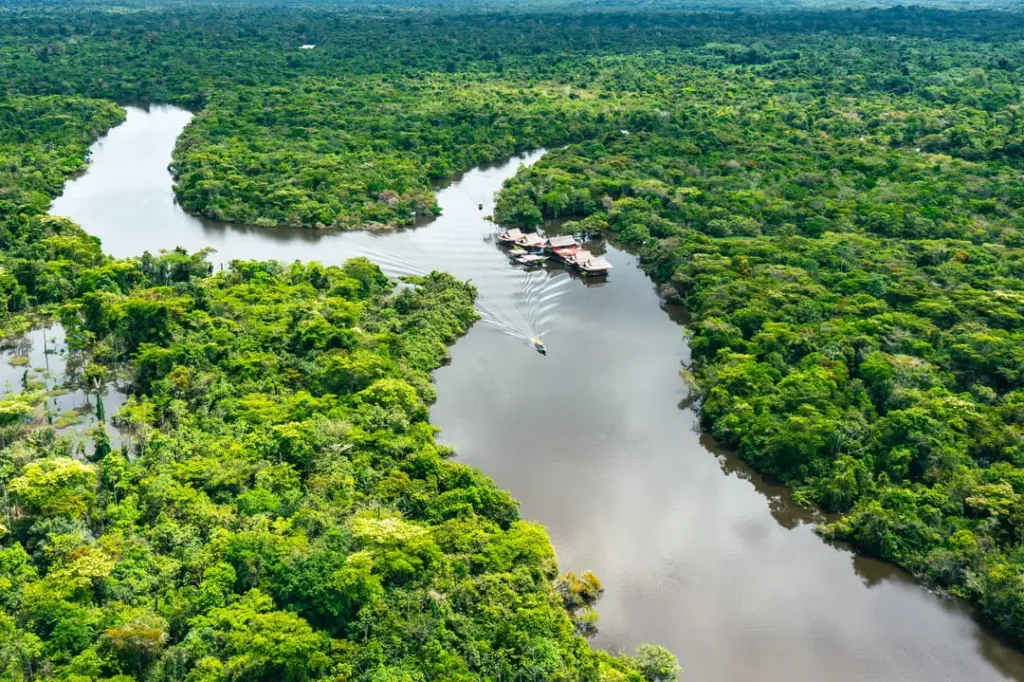
In Peru’s Madre de Dios region, illegal gold mining has caused approximately 139,000 hectares of deforestation, poisoned rivers with mercury, and produced lawless mining camps where forced labor, child labor, and sexual trafficking operate without oversight. The people carrying out this destruction are often not the ones who chose to. Indigenous communities trapped in debt bondage are coerced into mining and logging, destroying the ecosystems their own families depend on.
Trafficking in Peru follows geography. In the Amazon: forced labor in mining camps and sexual trafficking targeting miners. In Lima: forced begging, sexual servitude, and drug trafficking. In the highlands: traffickers use the outdated Padrino system to deceive parents into surrendering their children under the promise of education or opportunity. Across every region, the pattern holds: where economic alternatives disappear, traffickers fill the gap.
What We Set Out to Do
Reverse the downward spiral in Peru’s most vulnerable communities by building dignified economic alternatives that reduce trafficking at its source, keep children in school, and give survivors a clear pathway to independence.
What Stands in the Way
Peru’s trafficking crisis is driven by economic desperation, geographic isolation, weak enforcement, and the dominance of illegal mining economies that provide the only available income in many rural communities. Women and children are disproportionately affected. The root cause is systemic: communities without viable economic alternatives are communities without protection.
What We Have Built
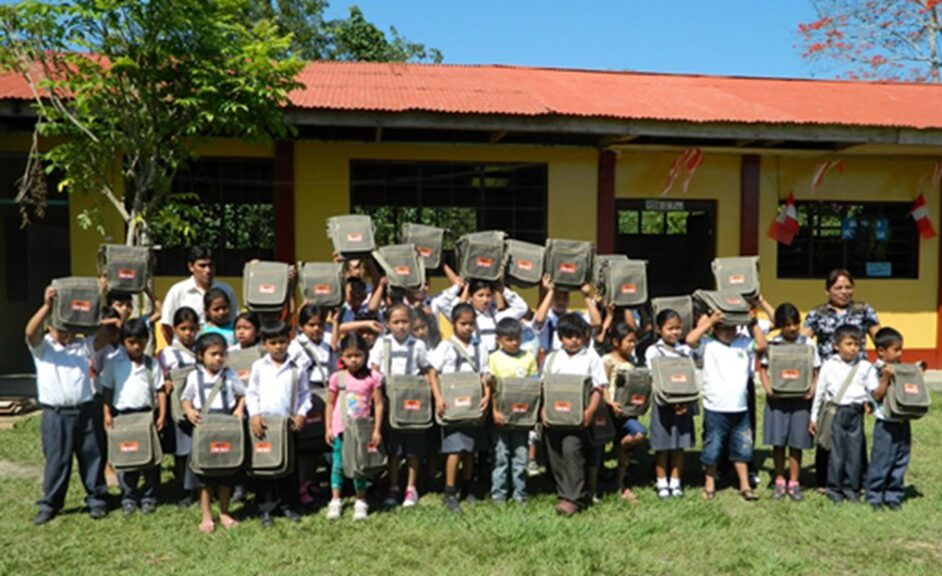
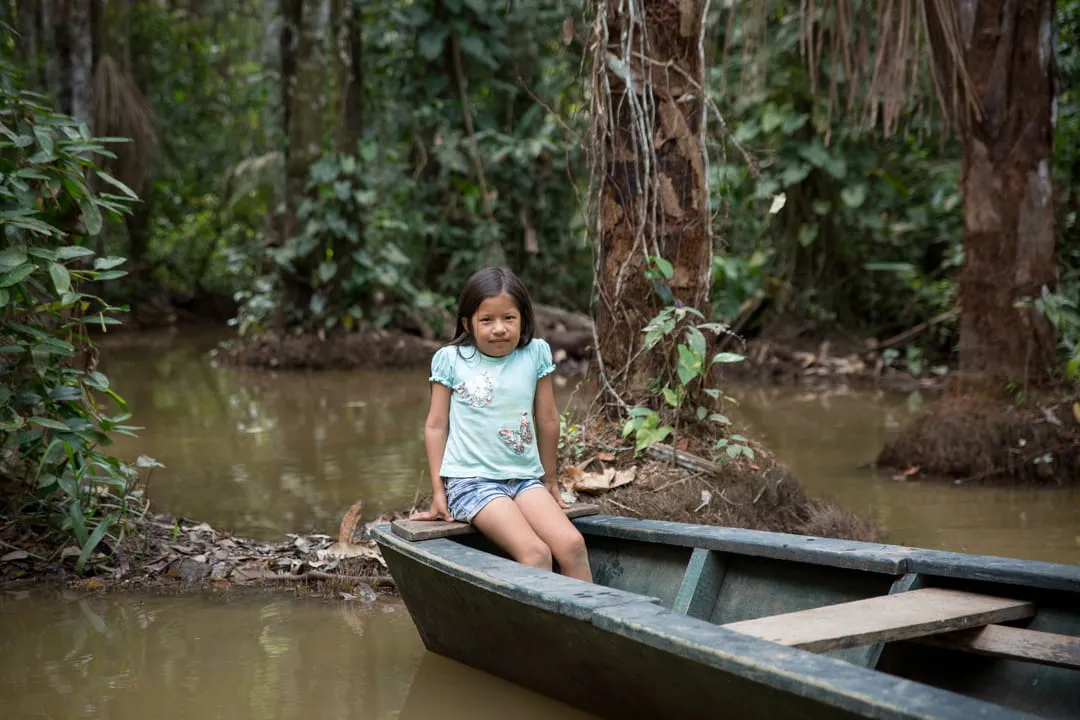
Survivor support and education: Not For Sale provides scholarships covering housing, school fees, supplies, and emotional support for vulnerable children in rural Peru. Community gardens in six schools educate students, teachers, and families on nutrition while building self-sufficiency. Fish farms provide clean protein free from the mercury contamination caused by illegal gold mining, a direct health response to the environmental destruction documented in the planet section below.
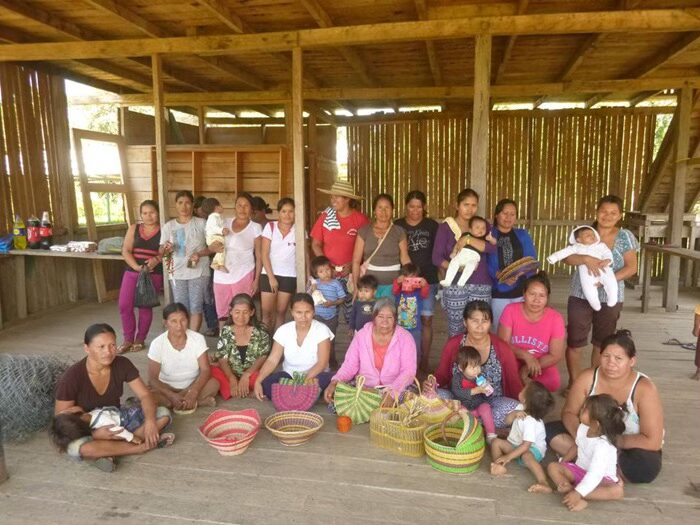
Women’s economic empowerment: Artisan training and small business workshops serve hundreds of women across the Amazon, building marketable skills and increasing household income. Higher household income has been shown to prolong schooling and reduce child labor, attacking the cycle at its root.
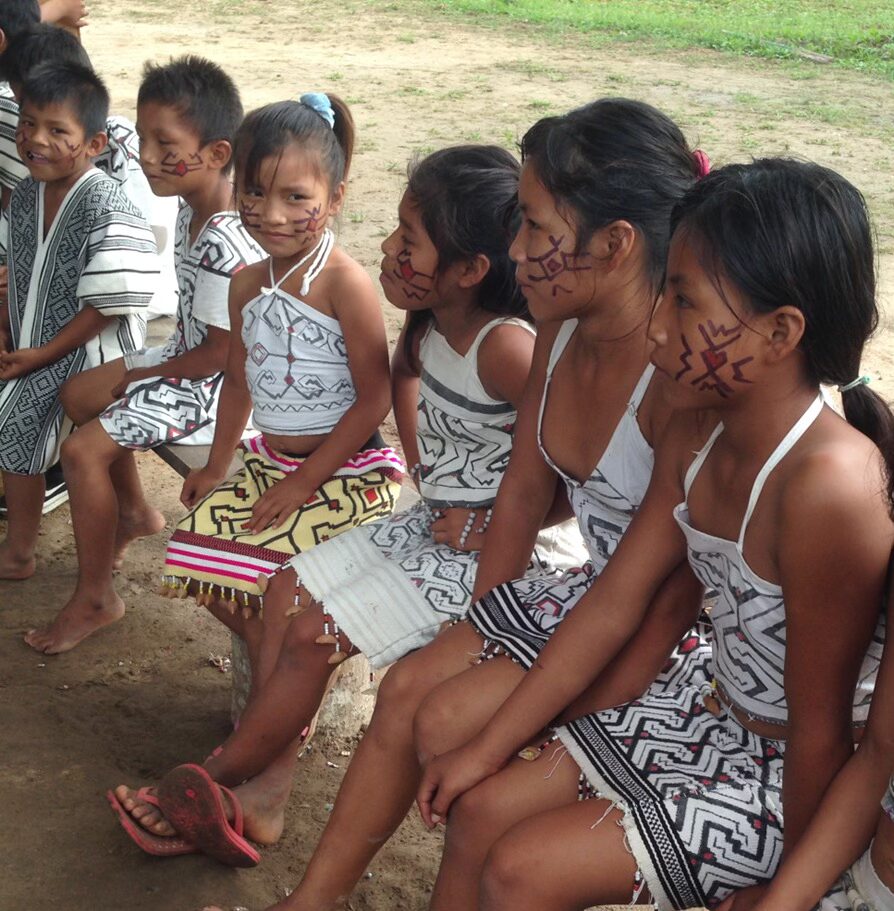
Community resilience: The displaced indigenous community of Santa Teresita, which joined the AFIMAD cooperative after an armed conflict, receives ongoing support from Not For Sale for 30 families through community gardens, scholarships, educational programs, and clean water infrastructure. The community is now developing cocoa and tropical fruit cultivation through Not For Sale’s business development training, a bridge into the social innovation work described in Section Three.
This is one side of the coin. The planet and social innovation sections below complete the picture, because in Madre de Dios, protecting people, protecting the forest, and building a new economy are the same fight.
Where Ending Ecocide Starts with a Standing Forest
Not For Sale’s planet work focuses on protecting and restoring the ecosystems that vulnerable communities depend on. In Madre de Dios, conservation is not a separate environmental program, it is anti-trafficking work, because a standing forest with a functioning economy removes the conditions that drive forced labor and ecocide.
By the numbers
753 sq mi
Amazon rainforest conserved annually in Madre de Dios
0
Trees planted through Camino Verde
0
Hectares reforested
0
Tonnes CO₂ sequestered
0
Indigenous communities managing conservation through AFIMAD
The Madre de Dios region holds one of the richest concentrations of biodiversity on earth. Illegal gold mining, logging, and unchecked development are destroying it. An estimated 139,000 hectares of forest have been lost to mining deforestation, 97.5% concentrated in Madre de Dios. Mercury contaminates rivers, fish stocks, and drinking water. In 2025, Peruvian authorities seized four tons of illegal mercury destined for Amazon mining, one of the largest seizures in the region’s history. Timber species that were once abundant are disappearing, and so is the generational indigenous knowledge built around them.
The people doing much of this damage are the same people described in the people section above, forced into environmental destruction by debt bondage, coercion, and the absence of any other economic option. Ecocide and trafficking are not parallel crises here. They are one system.
Conservation Through the Brazil Nut Economy
At the center of Not For Sale’s conservation model is a fact of biology: Brazil nuts only grow in wild, closed-canopy rainforest. They cannot be cultivated in plantations. The Brazil nut tree is a keystone species, requiring the full biodiversity of an intact ecosystem to survive and reproduce. Every viable Brazil nut economy is, by its nature, a conservation economy. A standing forest is the only factory. A harvested nut is a reason not to cut a tree down.
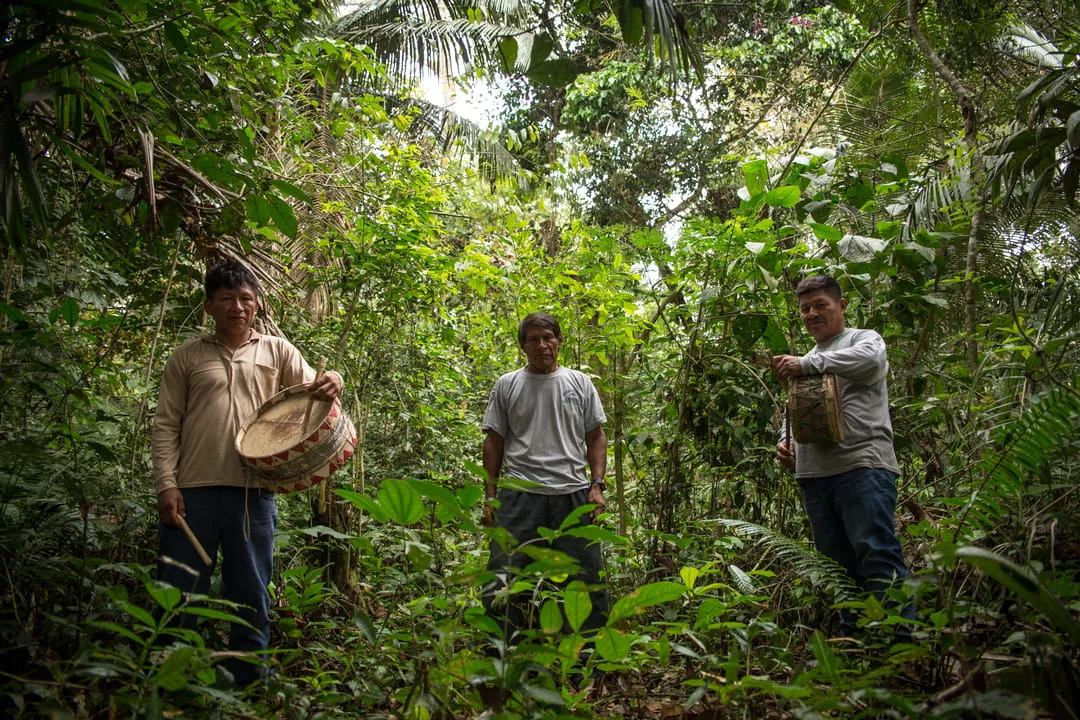
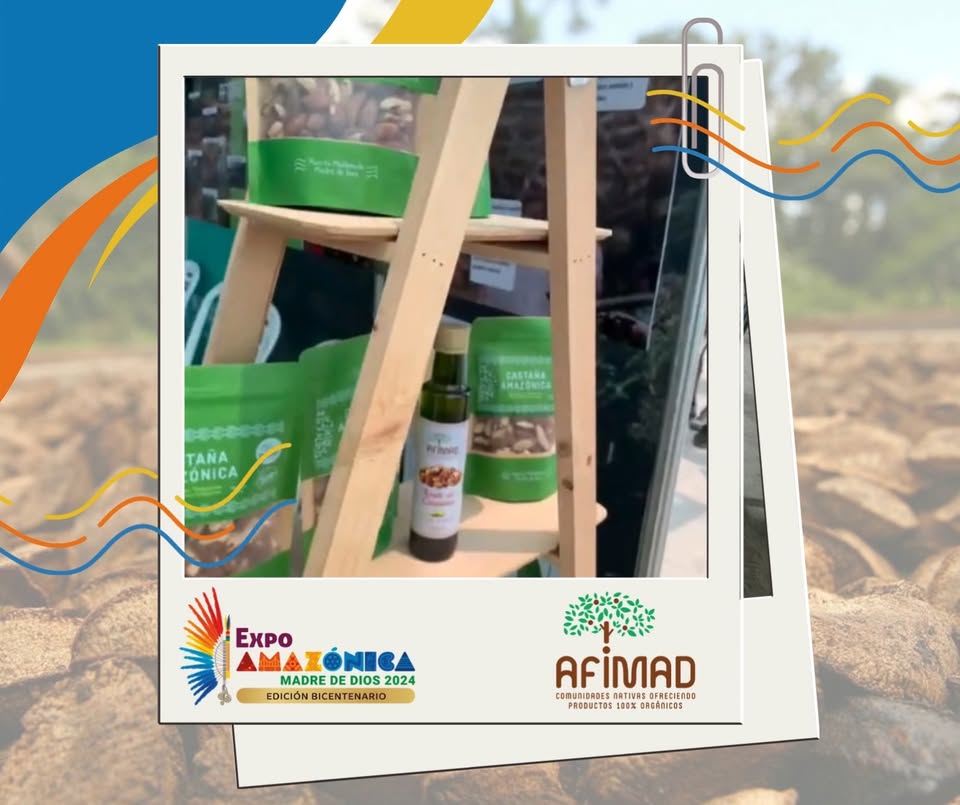
Not For Sale helped build that economy. The indigenous-led cooperative AFIMAD, comprising ten communities across Madre de Dios, sustainably harvests Brazil nuts under forestry management plans that protect the surrounding ecosystem. Five communities hold organic certification through KIWA BCS. The cooperative holds Fair Trade certification through FLOCERT. These certifications opened global markets, increased the value of the harvest, and gave communities a direct economic stake in keeping their forest standing.
The supply chain connects indigenous harvesters to the world: AFIMAD communities harvest and prepare the Brazil nuts, transport them to Puerto Maldonado, and sell to Candor, the exporter. Candor processes and ships the product to the United States, where it ultimately reaches REBBL, a nationally distributed beverage brand born from Not For Sale’s social innovation work. REBBL returns 2.5% of net revenue to Not For Sale, funding the programs that protect both the communities and the forest. Forest to cooperative, cooperative to product, product to revenue, revenue to protection. A complete loop.
753 Square Miles Conserved
Not For Sale conserves 753 square miles of Amazon rainforest annually in Madre de Dios, an area roughly 1.6 times the size of New York City. This is not a line drawn on a map. It is the direct result of building a regenerative forest economy that makes conservation the most rational economic choice for the communities who live there. When the forest generates dignified income through Brazil nut harvesting, the pressure to destroy it through illegal mining and logging is structurally reduced.
Reforestation
Where forest has already been lost, Not For Sale supports active restoration through the Protect Amazonian Biodiversity project, operated by Camino Verde Tambopata. The project runs a reforestation center built around a Living Seed Bank, an experimental plantation cultivating over 400 native Amazonian species. Its nurseries grow thousands of seedlings every year, and the project has planted more than 60,000 trees across Madre de Dios and Loreto. The work trains the next generation in seed identification, tree cultivation, and the ecological and economic value of what the forest produces, ensuring that restoration outlasts any single program.
The Upward Spiral
When the forest stands, communities harvest. When communities harvest, they earn. When they earn, their children stay in school. When children stay in school, they do not enter the mining camps. When the mining camps shrink, the forest recovers. And the spiral continues upward. That is the design, and after nearly two decades of Not For Sale’s work in Madre de Dios, it is visible.
This is the second side of the coin. Read the people section above and the social innovation section below, because in Madre de Dios, ending ecocide, ending slavery, and building a new economy are one fight.
Not For Sale’s social innovation work focuses on building the enterprises, cooperatives, and supply chains that make both the people work and the planet work self-sustaining. In Madre de Dios, that meant seed-funding an indigenous-led cooperative, redesigning a value chain, and ultimately co-creating a global beverage brand, so that the protection of people and forest no longer depends on donations alone.
By the numbers
0
Indigenous communities in the AFIMAD cooperative
0
Communities with organic certification (KIWA BCS)
0
Fair Trade certification (FLOCERT)
0
Boats owned by harvesters
$2M+
Revenue returned to Not For Sale by REBBL to date
Where It Started
Not For Sale did not arrive in Peru with a business plan. It arrived with a question. After years of direct service and root cause research in Madre de Dios, the people work described in Section One, a pattern became impossible to ignore: indigenous communities were trapped in debt bondage and forced into illegal mining because they had no other viable income. Shelters and scholarships addressed the harm. But the system that produced the harm remained intact.
The question was simple: what if we helped build an alternative?
Seed-Funding AFIMAD
The resource was already there. Madre de Dios is the only region in Peru where Brazil nuts of high enough quality grow, and as described in the planet section above, Brazil nuts can only grow in wild, closed-canopy rainforest. The communities had the knowledge and the forest. What they lacked was negotiating power, transport, certification, and access to markets.
Not For Sale provided the seed funding, training, and technical support to help establish AFIMAD, an indigenous-led cooperative of ten communities across Madre de Dios. Not For Sale funded boats so harvesters could bypass predatory middlemen and transport their product directly to Puerto Maldonado. It coached communities through organic certification with KIWA BCS and Fair Trade certification with FLOCERT. It connected AFIMAD to Candor, the exporter that would carry their product to global markets.
This was not charity. It was the deliberate construction of a value chain in which the community at the bottom gained leverage, ownership, and a direct economic reason to protect the forest rather than destroy it.
The Montara Circle and the Birth of REBBL
In February 2011, Not For Sale and Just Business convened the Montara Circle, a two-day design-to-action workshop in a coastal village south of San Francisco. Fifty entrepreneurs, technologists, investors, and Peruvian community leaders were challenged to design a for-profit business solution to human trafficking in Peru’s Amazon. The winning idea, pitched by San Francisco Giants pitcher Jeremy Affeldt, was a beverage company that would source ingredients directly from indigenous communities vulnerable to trafficking, creating the economic demand that would structurally reduce their vulnerability.
That idea became REBBL: Roots, Extracts, Berries, Bark, and Leaves. The company sources Brazil nuts from AFIMAD communities via Candor, processes them through Caro Nut, and distributes nationally through Target and Whole Foods. REBBL returns 2.5% of net revenue to Not For Sale, funding the programs that protect both the communities and the forest they depend on.
Forest to cooperative. Cooperative to product. Product to revenue. Revenue to protection. A complete loop.
Four tons of mercury, $172M in gold, and human trafficking. Not For Sale in Madre de Dios.
Why Peru Matters Beyond Peru
What makes this story significant is not just what happened in Madre de Dios. It is the sequence. Not For Sale’s Impact Stack, direct service, root cause research, scalable enterprise, was first proven here. Philanthropic capital funded the proof of concept. Venture capital funded the scale. And community ownership, through AFIMAD, ensured the mission stayed intact when the money got larger.
The Montara Circle model, the hybrid nonprofit-enterprise structure, the blended capital sequence, and the principle that communities must own their own supply chains, all of this was built in Peru and is now deployed across every country where Not For Sale works. Peru is not just a country program. It is where Not For Sale’s entire social innovation thesis was tested and proven.
This is the third side of the coin. Read the people and planet sections above, because in Madre de Dios, building an economy, ending slavery, and ending ecocide were always the same fight.
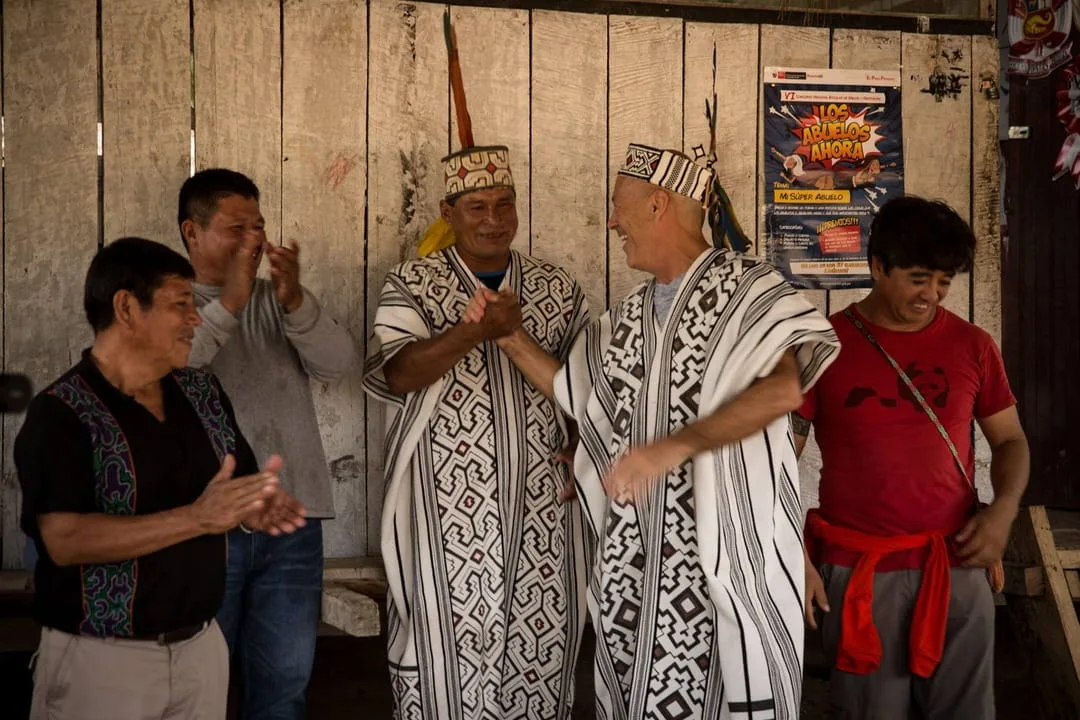
Nine indigenous communities from Peru's Madre de Dios region gather at Expoamazónica 2025, showcasing sustainable Brazil nut production and forest management. Our team highlights the strength of collaboration and the promise of a sustainable future. We thank our allies who support indigenous organizations and the vital work of AFIMAD. What will you do to support sustainable livelihoods in the Amazon?
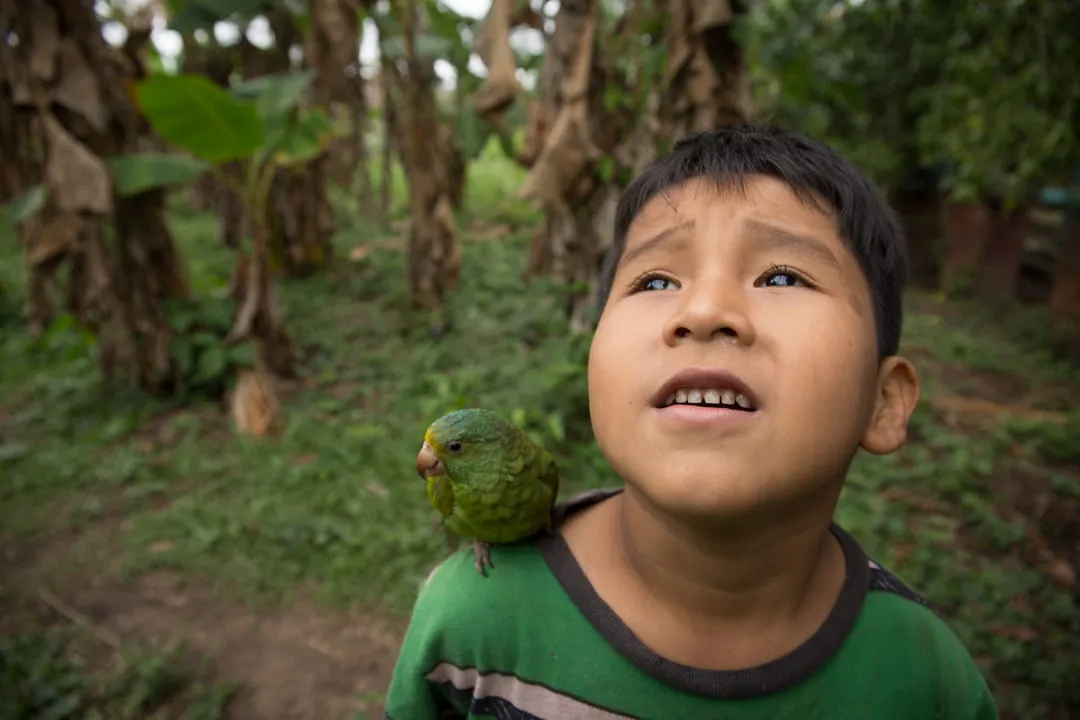
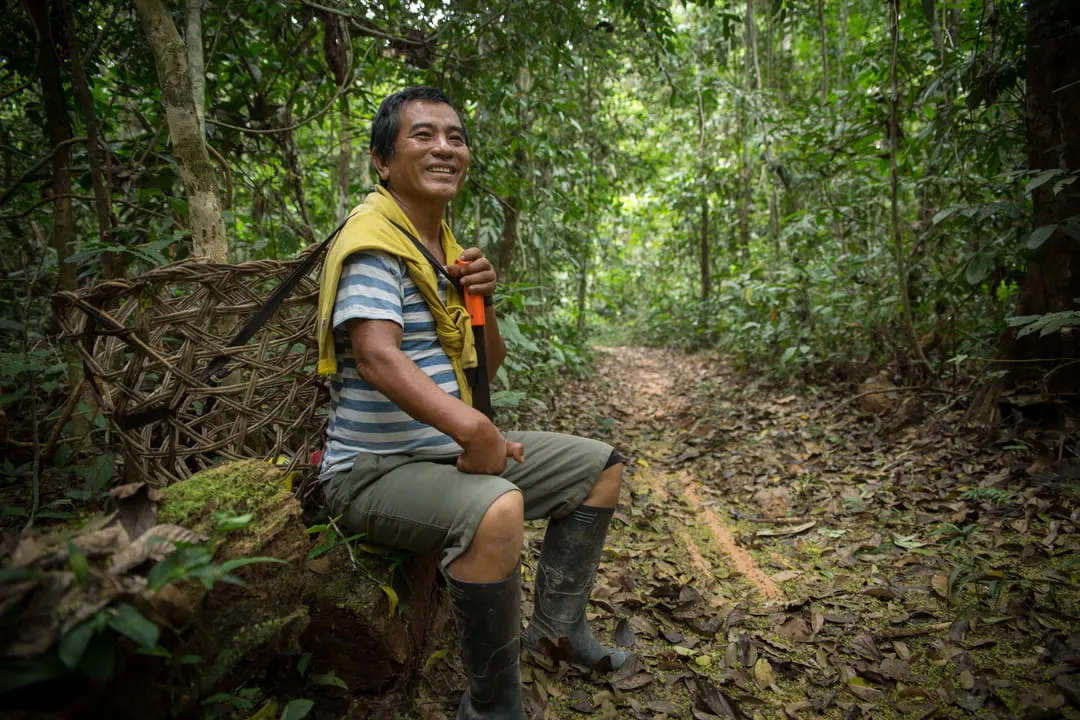
We collaborate with Indigenous communities to protect the Amazon while providing sustainable food sources. Together, we celebrate the richness of the rainforest and the resilience of its people. How can we further support these vital ecosystems?