Not For Sale’s people work in the Democratic Republic of the Congo operates in one of the most complex humanitarian environments on earth. In eastern DRC, decades of armed conflict, displacement, and the global demand for critical minerals have created conditions where forced labor, child labor, and sexual violence are endemic. The people work here is inseparable from the planet and social innovation work below, because the minerals driving ecocide in the Congo Basin are the same minerals extracted by forced labor.
By the numbers
0
Cooperative members supported
0
Trees planted through co-op reforestation programs
What We Found
The DRC holds some of the world’s largest reserves of cobalt, coltan, copper, and other critical minerals, the raw materials inside every smartphone, laptop, and electric vehicle battery on the planet. Their extraction has produced toxic pollution, deforestation, water contamination, and a human rights catastrophe. Artisanal mining pits and industrial concessions alike are documented for child labor, forced labor, and violent conflict. Armed groups control extraction zones, funding their operations through the same minerals that power the global green transition.
In Masisi District of eastern DRC, where Not For Sale works, communities face compounded crises: war, displacement, food insecurity, and the collapse of traditional livelihoods. The majority of people Not For Sale supports here have fled war and forced labor in the mining industry.
What We Set Out to Do
Build food security, economic resilience, and community stability in eastern DRC, providing an agricultural alternative to the mining economy that traps people in cycles of conflict, displacement, and forced labor.
What Stands in the Way
Eastern DRC remains one of the most unstable regions in the world. Armed groups compete for mineral-rich territory. State authority is weak or absent in many areas. Infrastructure is minimal. And the global demand for cobalt and critical minerals continues to accelerate, intensifying pressure on communities caught in the extraction zone.
What We Have Built
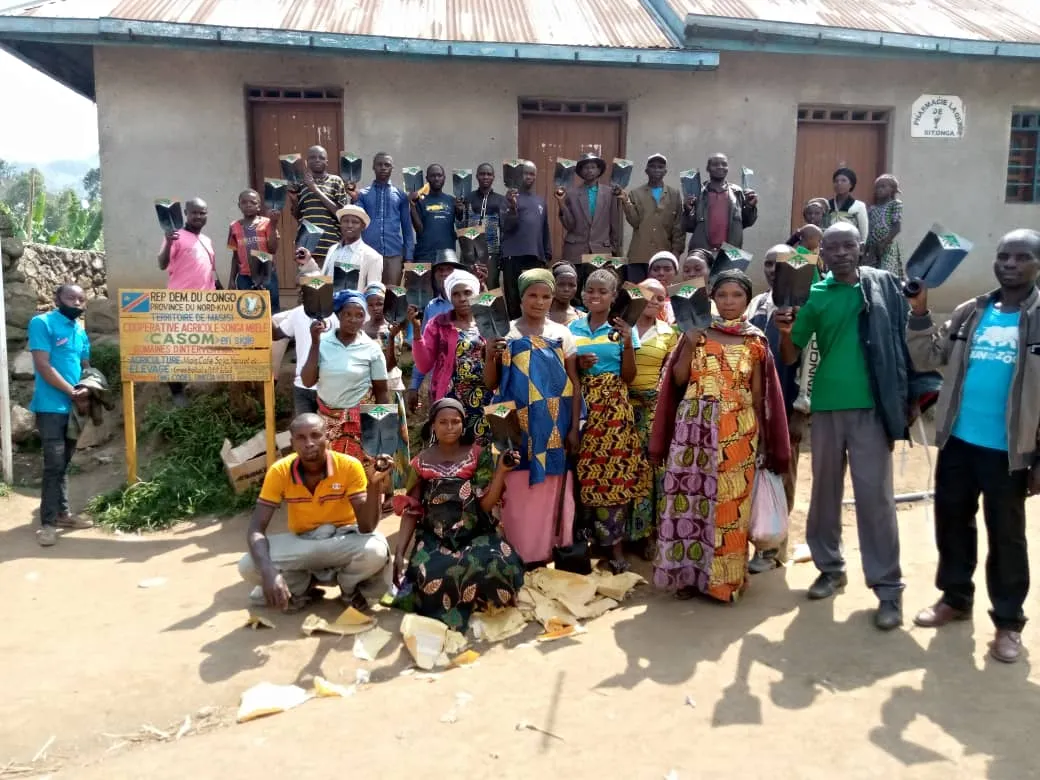
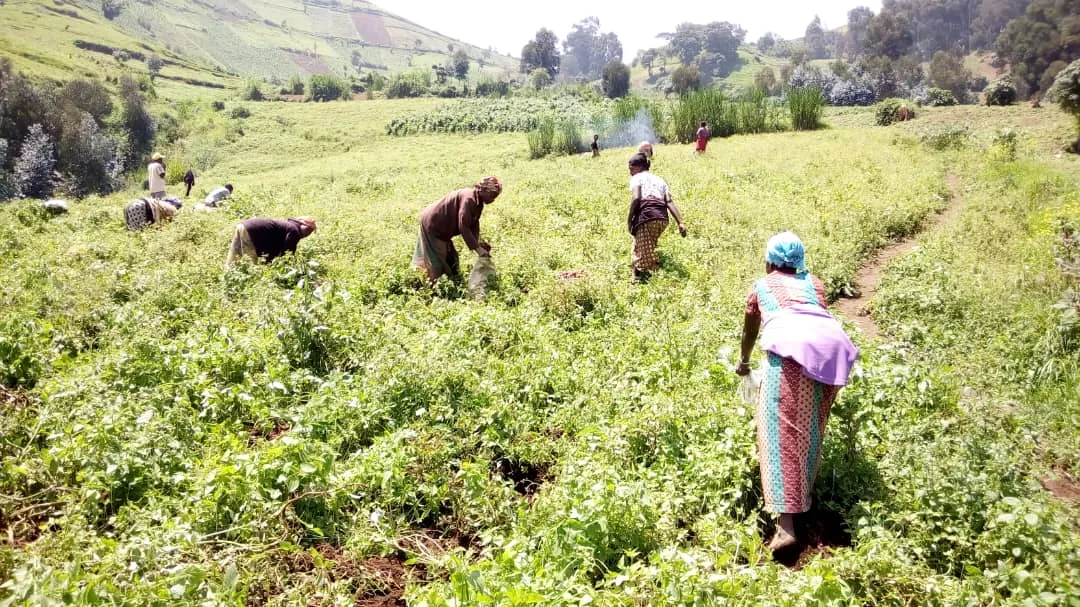
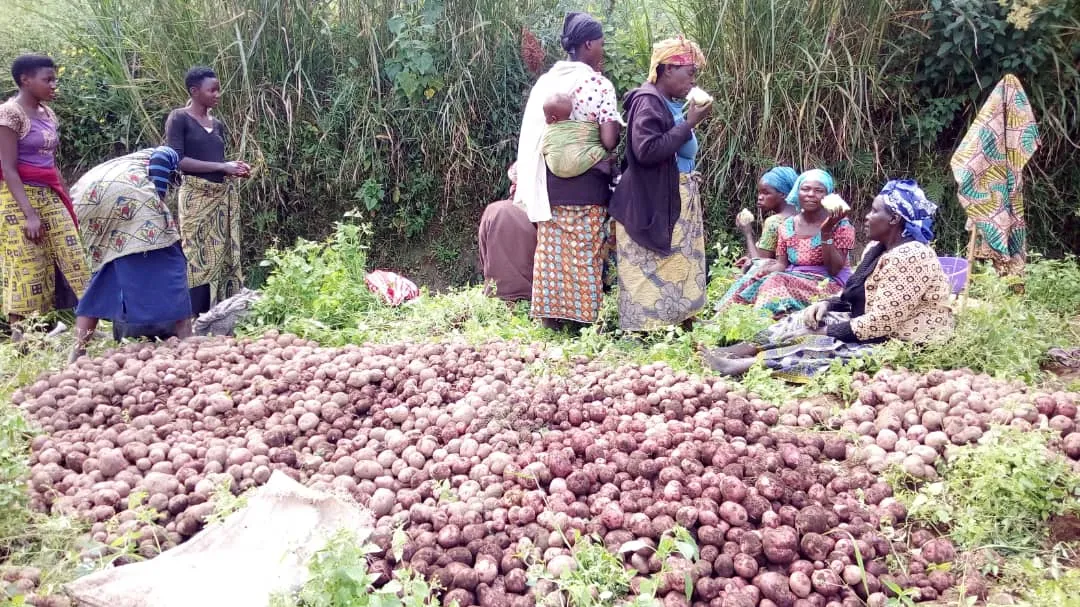
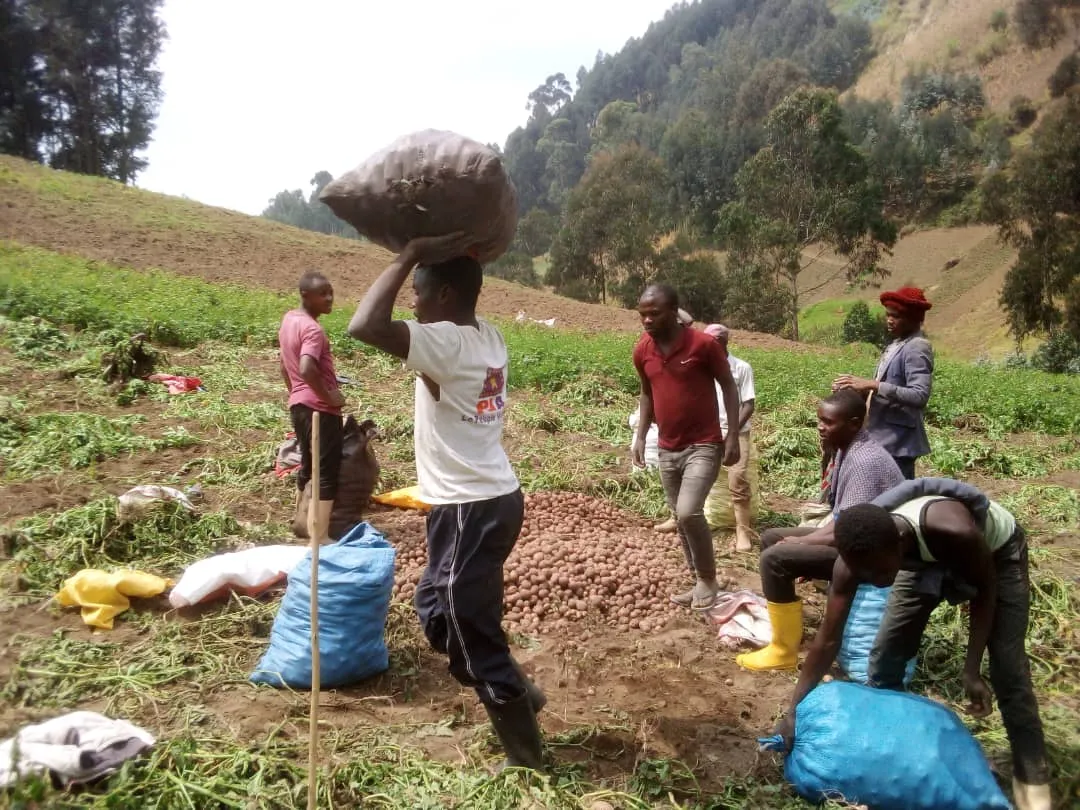
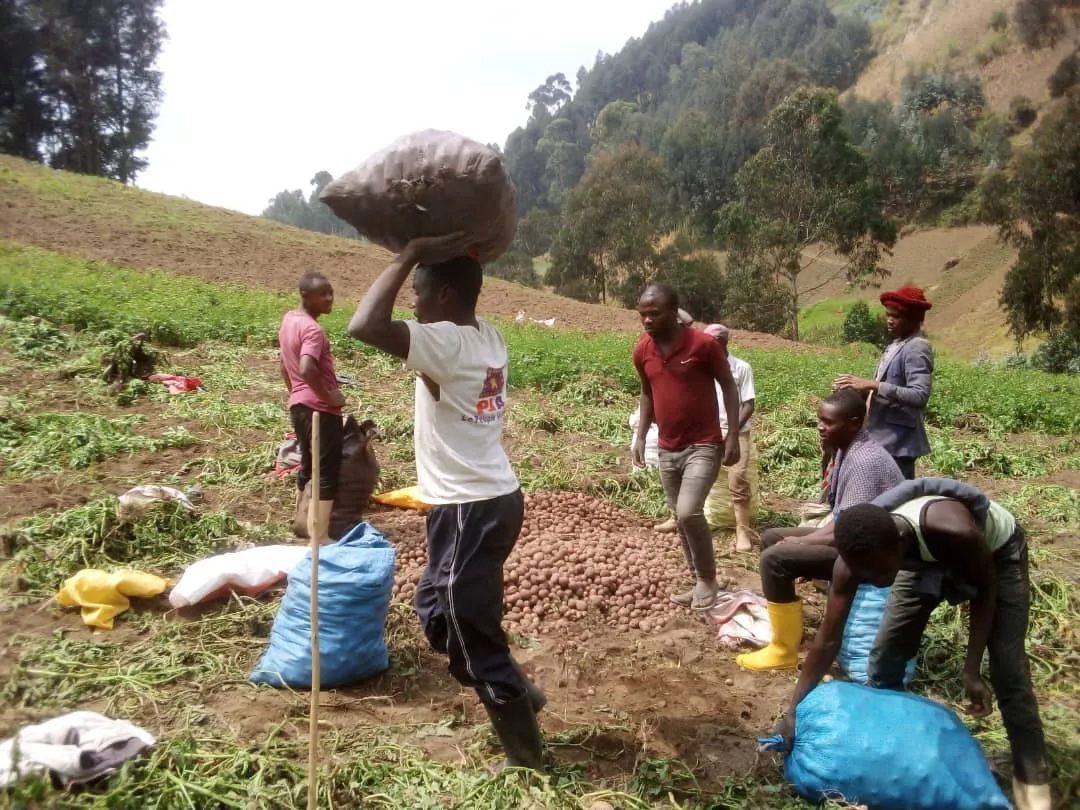
Agricultural cooperatives: Not For Sale DRC has supported 877 cooperative members with training on modern agricultural techniques, financial literacy, and sustainable farming practices. The program has distributed farming tools and cash for seed purchases, directly improving food security in Masisi District.
Community empowerment: The cooperatives give communities an economic foundation outside the mining economy, dignified livelihoods that do not depend on the armed groups and criminal networks that control mineral extraction.
This is one side of the coin. The planet and social innovation sections below complete the picture, because in the DRC, feeding families and protecting forests are both alternatives to the mining economy that destroys both.
Not For Sale’s planet work in the DRC is among the largest in our global portfolio. In a country where cobalt and critical mineral mining has caused massive deforestation, toxic pollution, and water contamination, reforestation is not just an environmental program, it is an act of resistance against the extractive economy.
By the numbers
0
Trees planted through co-op reforestation programs
What We Found
Cobalt mining in the DRC has been described as bringing “poverty and pollution” to communities. The environmental destruction is severe: deforestation, acid drainage, heavy metal contamination of soil and water, and the collapse of ecosystems that communities depend on for food and livelihoods. The ecocide-slavery nexus is visible here in its starkest form, the same mining operations that poison the land are staffed in part by forced and child labor.
Our Impact
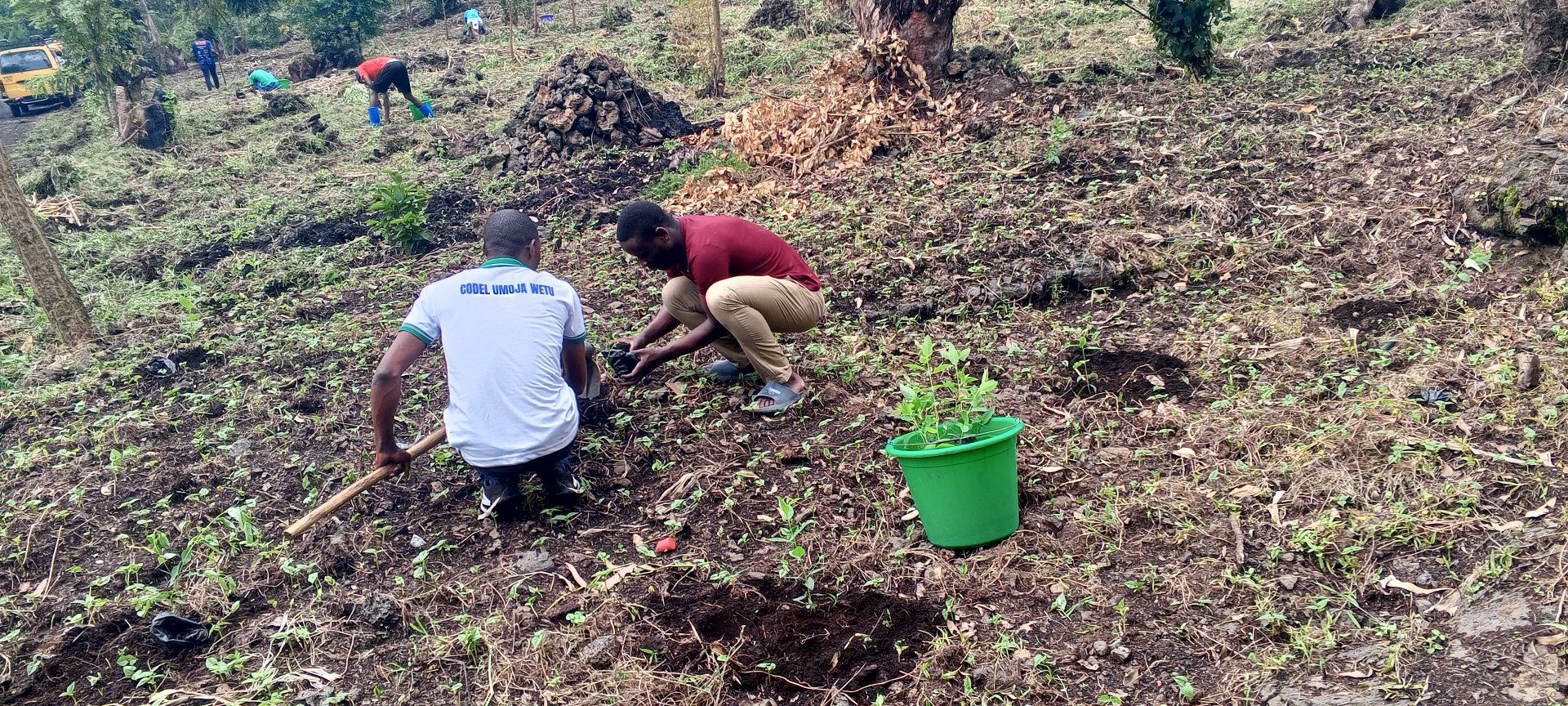
Not For Sale’s cooperative partners in eastern DRC have planted approximately 451,000 trees, a massive reforestation effort that simultaneously restores degraded land, provides sustainable income through agroforestry, and offers communities an economic alternative to the mining camps. This figure is separate from Not For Sale’s Tree-Nation planting program and is tracked independently through Not For Sale’s Uganda and DRC Director.
This is the second side of the coin. Read the people section above and the social innovation section below, because in the DRC, planting trees, feeding families, and redesigning mineral supply chains are all part of the same fight.
Redesigning the Mineral Supply Chain from the Inside Out
Not For Sale’s social innovation work in the DRC addresses the system that produces both ecocide and forced labor at their source: the global mineral supply chain. While the people and planet work builds alternatives on the ground, the social innovation work targets the demand side, the companies, policies, and technologies that determine how minerals are extracted, traded, and consumed.
Regenerate Technology Global
Regenerate Technology Global, a Not For Sale social innovation venture, is a battery recycling company working to close the loop on the mineral supply chains most linked to forced labor. By recovering critical minerals from spent batteries rather than extracting new ones from conflict zones, Regenerate reduces demand for the primary extraction that drives both ecocide and trafficking in the DRC.
M2i Global
M2i Global, currently being launched by Not For Sale Co-Founder Mark Wexler, is a minerals and metals company building a U.S. minerals reserve while deploying policy and technology solutions to reduce forced labor and ecocide risk in global supply chains. The DRC is central to M2i’s thesis: responsible mineral sourcing cannot be achieved without addressing the human rights and environmental conditions at the point of extraction.
Research
Not For Sale’s published research, including “The Intersection of Environmental and Human Exploitation in Peru” (co-authored by Mark Wexler and Dr. David Batstone), examines the systems that connect mineral extraction, environmental destruction, and forced labor across multiple geographies. Mark Wexler’s research as a Visiting Research Fellow at King’s College London centered on minerals and metals supply chains and their human rights and environmental consequences, with the DRC as a primary focus.
This is the third side of the coin. Read the people and planet sections above, because in the DRC, feeding families, planting trees, and redesigning global supply chains are all part of ending the same system.
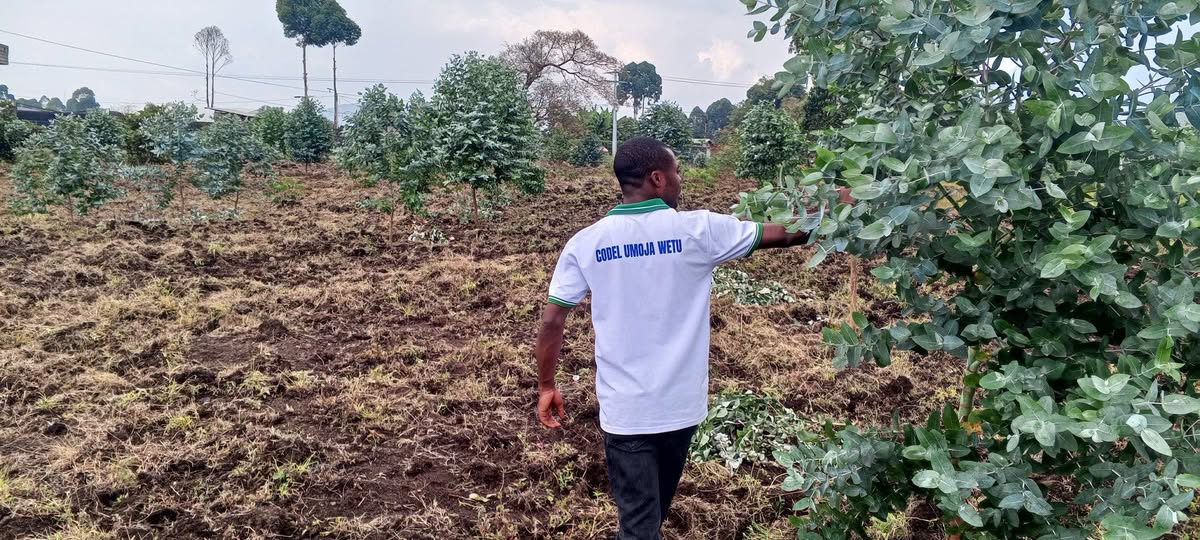
Not For Sale collaborates with Not For Sale DRC to implement a reforestation project near Goma, North Kivu. Together, we contribute to the fight against climate change by planting trees in the region.
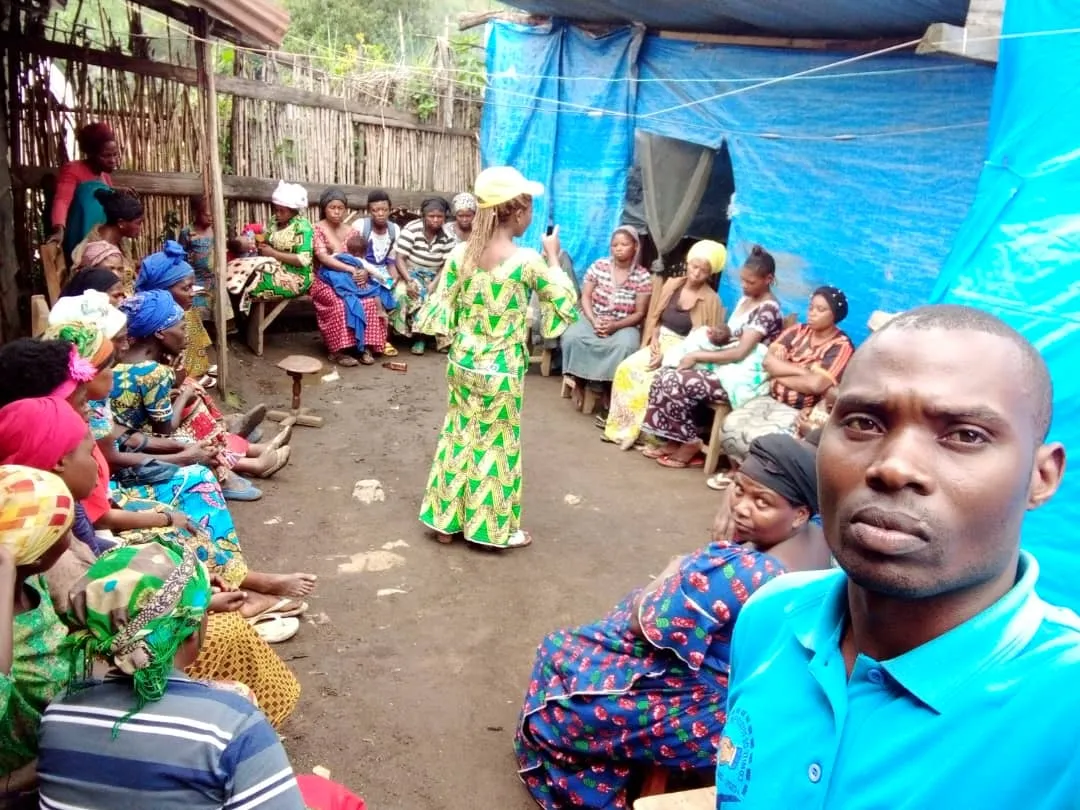
In the heart of our community, we gather under the banner of unity. Together, we forge connections that challenge the systems keeping us apart. This is not just a meeting; it’s a stand against isolation and a step toward collective strength.
How can we continue building stronger communities together?
Not For Sale in the DRC is actively monitoring the progress of our reforestation project in near Goma in North Kivu, DRC. This initiative aims to combat climate change by planting a variety of eucalyptus maideni trees.
#Reforestation #ClimateAction #WeAreNotFor Sale