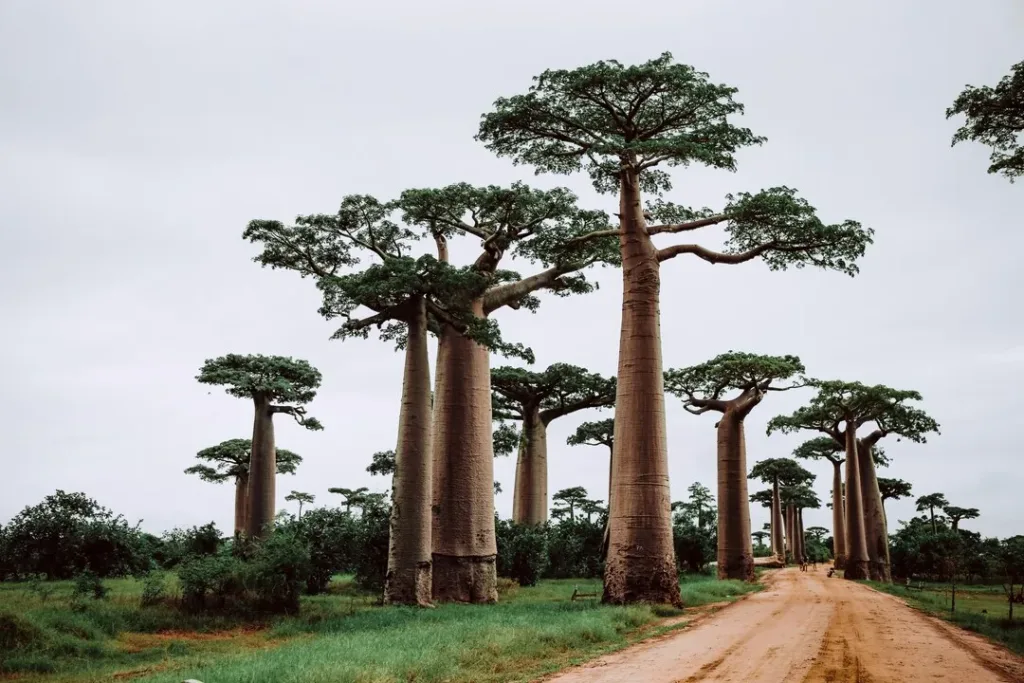
Not For Sale’s planet work in Madagascar is a small but symbolic contribution through the Eden Reforestation project via Tree-Nation. Madagascar has one of the highest annual natural-forest loss rates on earth, driven by illegal logging of rosewood and ebony, and small-scale clearing.
Madagascar is one of the planet’s most biodiverse islands, and one of its most deforested. Extreme rural poverty combined with valuable timber attracts trafficking-like recruitment into remote logging camps, where workers are underpaid, indebted, and controlled. The connection between ecocide and forced labor is direct.
Note: This planting was gifted. Credit belongs to the donor. Not For Sale’s contribution is symbolic and represents solidarity with Madagascar’s reforestation movement.
These mangrove seedlings are growing at our Ambararata planting site. This picture was taken last year
Once settled in the mud, they focus on developing strong roots to anchor them in the soft soil. Over time, they grow slowly, adapting to the tidal environment and filtering excess salt, eventually maturing into full-grown trees.
Unlike most trees, mangroves don’t drop seeds—they release propagules, which are live seedlings that begin growing while still attached to the parent tree. Once mature, they fall into the water and float until they find the right spot to root and grow.
This unique adaptation helps mangroves spread across coastal environments, stabilize shorelines, and restore degraded areas naturally.
Oustalet’s Chameleon (Furcifer oustaleti) is one of the largest chameleon species in the world and is native to Madagascar
While not exclusive to mangroves, it can often be found near these ecosystems, where it plays an important role in maintaining ecological balance by controlling insect populations.
Mangroves can survive in saltwater by filtering out up to 90% of the salt through their roots—or excreting it through their leaves. It’s one of the reasons they thrive along Madagascar’s coasts where few other trees can.
Mangrove forests are vital for coastal stability, biodiversity, and carbon storage, acting as a natural barrier against storms and erosion
Fun fact: Mangroves can filter up to 90% of salt from seawater before absorbing it, allowing them to thrive in harsh coastal environments where most trees would not survive.
This adaptation makes them essential for protecting shorelines and supporting marine life.
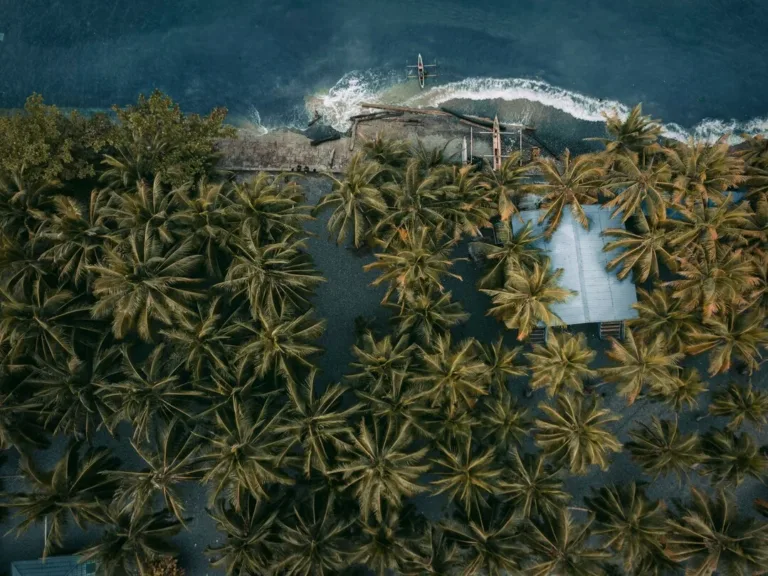
Members of the local village are taking action to reclaim their land, working tirelessly to restore it to its former glory as a thriving mangrove forest.