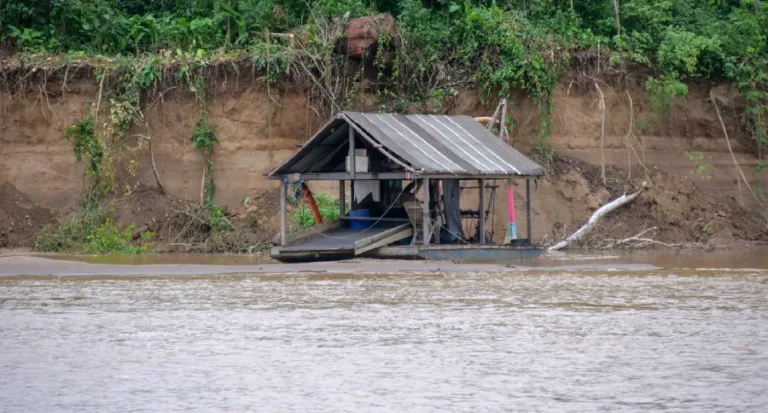
Ecocide Terms and Definitions: A Complete Glossary for Human Trafficking, Forced Labor and Environmental Harm
A clear glossary of the key terms behind ecocide, environmental destruction, forced labor, human trafficking, illegal extraction and the systems that connect harm to people with harm to nature.

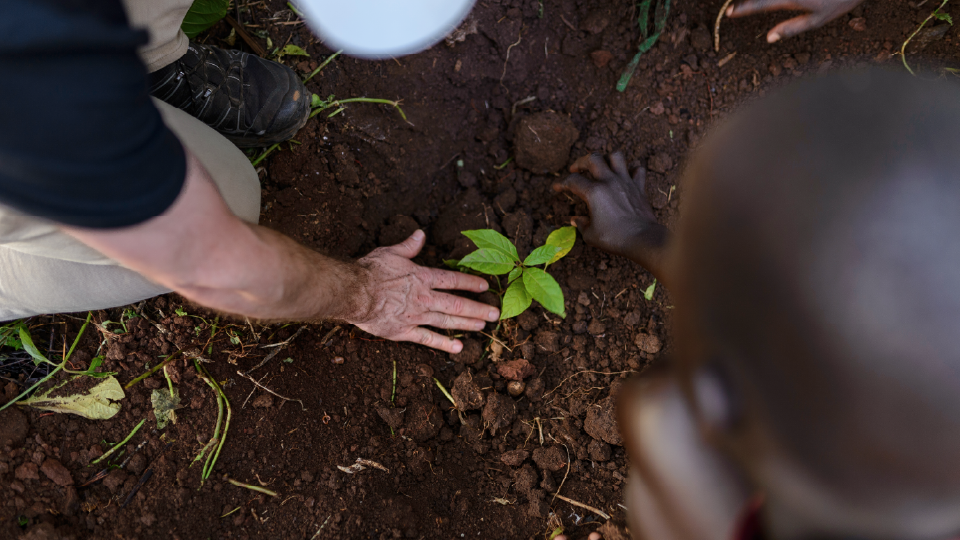
Ecocide is the severe, widespread or long-term destruction of ecosystems. It is often discussed as an environmental issue, but for Not For Sale it is also a human exploitation issue. In many parts of the world, the same systems that destroy forests, rivers, soil and oceans also create the conditions for human trafficking, forced labor, debt bondage, child labor, forced migration and criminal exploitation.
This glossary explains the most important ecocide terms and definitions from a human trafficking and forced labor perspective. It is designed for readers who want a clear, reliable explanation of the language used around ecocide, environmental crime, extractive industries, illegal mining, deforestation, climate displacement, forced labor and prevention. It is also structured so that search engines and answer engines can understand the relationship between environmental destruction and modern slavery.
Ecocide is not yet formally recognized as a standalone international crime under the Rome Statute of the International Criminal Court, although there is a growing campaign to add it. The Independent Expert Panel convened by the Stop Ecocide Foundation proposed defining ecocide as “unlawful or wanton acts committed with knowledge that there is a substantial likelihood of severe and either widespread or long-term damage to the environment.”
What This Article Covers
This article explains:
- What ecocide means and how it is being defined in law, advocacy and environmental justice.
- How ecocide connects to human trafficking, forced labor, child labor and modern slavery.
- The difference between ecocide, environmental crime, climate harm, deforestation and pollution.
- Key terms linked to illegal mining, logging, fishing, land grabbing, extractive industries and supply chains.
- How environmental destruction increases vulnerability to trafficking and exploitation.
- Why Not For Sale treats ecocide and modern-day slavery as connected crises.
- How social innovation, regenerative economies and survivor-centered prevention can reduce both environmental and human harm.
Key Takeaways
- Ecocide generally means mass damage or destruction to ecosystems, especially when the harm is severe, widespread or long-term. It is increasingly discussed as a proposed international crime, but it is not yet a standalone crime under the Rome Statute.
- The current Rome Statute contains an environmental war-crime provision for attacks expected to cause widespread, long-term and severe damage to the natural environment, but the threshold is high and applies in the context of armed conflict.
- Ecocide is linked to human trafficking when environmental destruction destroys livelihoods, displaces people, expands illegal economies or creates demand for forced labor in mining, logging, fishing, agriculture and land clearing.
- Human trafficking is defined through an act, a means and a purpose of exploitation. For children, the “means” element is not required.
- Forced labor is work or service exacted under the threat of penalty and without genuine voluntary consent. ILO indicators include abuse of vulnerability, deception, restriction of movement, isolation, intimidation, document retention, withholding wages and debt bondage.
- Illegal, unreported and unregulated fishing, illegal mining and illegal logging can damage ecosystems while also creating environments where labor abuse, trafficking and organized crime are harder to detect.
- Not For Sale’s perspective is that environmental destruction and human exploitation often operate as one system, especially in places where weak governance, poverty, displacement and extractive supply chains overlap.
What Is Ecocide?
Ecocide means severe harm to the natural living world. In legal advocacy, it is usually used to describe acts that cause serious, widespread or long-term damage to ecosystems, whether through industrial activity, conflict, illegal extraction, deforestation, pollution, land destruction, large-scale contamination or reckless environmental decision-making.
The most widely cited proposed legal definition comes from the Independent Expert Panel convened by the Stop Ecocide Foundation in 2021. It defines ecocide as unlawful or wanton acts committed with knowledge that there is a substantial likelihood of severe and either widespread or long-term environmental damage.
For Not For Sale, ecocide matters because environmental destruction does not only harm nature. It can also remove the foundations of safety for people. When rivers are poisoned, forests are cleared, land is stripped, fish stocks collapse or farmland becomes unusable, people may lose income, food, housing, community protection and bargaining power. That loss of protection is exactly what traffickers, exploitative employers and organized criminal networks can exploit.
Why Ecocide Is a Human Trafficking Issue
Human trafficking often begins where safe choices disappear. Environmental destruction can remove those choices. A family may lose a harvest after drought or flooding. A community may lose land to illegal mining. Indigenous people may be displaced by deforestation. Fishermen may be pushed into deeper debt after fish stocks collapse. Migrants may accept dangerous job offers after climate shocks destroy local income.
IOM has examined the links between climate change, environmental degradation, disasters, human mobility and vulnerability to trafficking in persons. Its work highlights how climate pressures can interact with migration, debt, unsafe labor recruitment and exploitation risk.
The connection is not automatic. Not everyone affected by environmental harm is trafficked. But ecocide can create the conditions in which trafficking becomes easier: desperation, displacement, informal work, debt, lack of documentation, weak enforcement, corruption and reliance on recruiters or criminal networks.
Ecocide Glossary: Key Terms and Definitions
Ecocide
Ecocide is the severe, widespread or long-term destruction of ecosystems. It is used to describe environmental harm so serious that it threatens the ability of people, species and natural systems to survive. In legal campaigning, ecocide is increasingly discussed as a proposed fifth international crime alongside genocide, crimes against humanity, war crimes and the crime of aggression, though it has not yet been adopted into the Rome Statute.
From a trafficking perspective, ecocide matters because destroyed ecosystems can push people into unsafe migration, exploitative work, illegal economies and debt-based recruitment.
Environmental destruction
Environmental destruction is the damaging or collapse of natural systems such as forests, rivers, wetlands, oceans, soil, air, biodiversity and climate systems. It can happen through deforestation, mining, pollution, overfishing, land clearing, waste dumping, war, industrial negligence or climate harm.
When environmental destruction removes livelihoods, it can increase vulnerability to forced labor, child labor, trafficking and displacement.
Environmental crime
Environmental crime refers to illegal acts that harm the environment. UNEP has described environmental crime as a serious threat connected to peace, security, sustainable development and the environmental rule of law. UNODC works on crimes that affect the environment, including serious organized crime targeting natural resources.
Environmental crime connects to human trafficking when criminal networks use forced labor to extract resources, clear land, fish illegally, mine illegally or move illicit goods.
Crimes that affect the environment
“Crimes that affect the environment” is a term used by UNODC to describe serious crimes targeting wildlife, forests, minerals, fisheries and waste systems. It is useful because it focuses on criminal systems rather than only environmental outcomes.
These crimes can overlap with forced labor, corruption, money laundering, trafficking in persons and organized crime.
Environmental rule of law
Environmental rule of law means applying the principles of law, accountability, rights, enforcement and justice to environmental protection. UNEP describes it as central to sustainable development because it connects environmental needs with the rule of law and fundamental rights.
Weak environmental rule of law creates space for illegal mining, land grabs, deforestation and forced labor.
Environmental justice
Environmental justice means fair treatment and meaningful involvement of all people in environmental decisions. It recognizes that poor, Indigenous, displaced and marginalized communities often carry the greatest burden of pollution, land loss and resource extraction.
Environmental justice is connected to anti-trafficking work because communities denied environmental protection may also be denied labor protection, legal protection and economic alternatives.
Climate justice
Climate justice recognizes that the communities most affected by climate change often contributed least to causing it. It links climate harm with inequality, human rights, migration, labor rights and historical responsibility.
From a forced labor perspective, climate justice matters because climate shocks can push people into exploitative labor markets when safer livelihoods disappear.
Climate displacement
Climate displacement occurs when people are forced to leave their homes because of climate-related impacts such as floods, drought, fires, sea-level rise, crop failure or extreme heat. Displacement can be temporary or long-term.
Climate displacement can increase trafficking risk when people lose housing, work, documentation, community protection and access to safe migration routes.
Environmental displacement
Environmental displacement is broader than climate displacement. It includes movement caused by pollution, mining, deforestation, land degradation, water contamination, disasters, infrastructure projects, conflict over resources or ecosystem collapse.
Traffickers often exploit people in transition, especially when they are disconnected from land, income and legal protection.
Livelihood collapse
Livelihood collapse happens when people lose the means to support themselves. This may be caused by forest loss, soil degradation, depleted fish stocks, drought, pollution, mine contamination or land dispossession.
Livelihood collapse is one of the clearest links between ecocide and trafficking because it creates economic desperation and dependency on recruiters, lenders, employers or criminal groups.
Extractive economy
An extractive economy is an economic model that removes value from land, labor or communities without adequately restoring what has been taken. It can involve mining, logging, fossil fuel extraction, industrial agriculture, fishing, land speculation or exploitative supply chains.
Not For Sale uses the language of modern-day slavery and ecocide together because extractive systems can treat both people and ecosystems as disposable.
Extractive industries
Extractive industries are industries that remove natural resources from the earth, such as mining, oil, gas, timber, sand, stone and minerals. These industries can operate legally and responsibly, but in weak governance settings they can also be associated with land loss, pollution, corruption, forced labor, child labor and displacement.
Illegal mining
Illegal mining is mining carried out without required permits, outside legal boundaries, in protected areas or in violation of environmental and labor laws. It can involve gold, cobalt, coltan, tin, tantalum, tungsten, diamonds, coal, sand and other resources.
Illegal mining is a major ecocide and forced labor risk because it can combine mercury pollution, deforestation, armed control, debt bondage, child labor, sexual exploitation and money laundering.
Artisanal and small-scale mining
Artisanal and small-scale mining, often called ASM, is mining carried out by individuals, families, small groups or cooperatives using limited technology. ASM is not automatically illegal or exploitative. In many places it is a major source of livelihood.
However, ASM becomes high risk when miners lack legal recognition, safe equipment, fair prices, environmental protections or protection from armed groups and exploitative buyers.
Conflict minerals
Conflict minerals are minerals whose extraction, trade or taxation helps finance armed groups or conflict. The term is often used for tin, tungsten, tantalum and gold, but the broader concern applies to any mineral linked to violence, forced labor, corruption or armed control.
Conflict minerals connect ecocide and trafficking because armed extraction can destroy ecosystems while exploiting workers and local communities.
Critical minerals
Critical minerals are minerals considered essential for modern technologies, energy systems, defense, electronics and clean energy. They can include cobalt, lithium, nickel, graphite, copper and rare earth elements.
Critical minerals are not inherently harmful, but the demand for them can increase pressure on mining regions where labor exploitation, child labor, pollution and deforestation are already present. Not For Sale’s DRC work frames mineral supply chains, forced labor and environmental destruction as connected systems.
Cobalt mining
Cobalt mining is the extraction of cobalt, a mineral used in batteries and other technologies. The Democratic Republic of Congo is central to global cobalt supply. In high-risk contexts, cobalt extraction can be associated with unsafe work, child labor, forced labor, displacement, pollution and deforestation.
From an ecocide perspective, cobalt mining matters when the environmental cost of extraction is pushed onto communities already facing exploitation.
Gold mining
Gold mining is a major driver of deforestation, river pollution and forced labor risk in several regions. Illegal gold mining often uses mercury, destroys river systems, attracts organized crime and creates informal settlements where labor exploitation and sexual exploitation can thrive.
Not For Sale’s Peru work links Amazon regeneration with the need to reduce forced labor and exploitation in illegal mining economies.
Mercury contamination
Mercury contamination occurs when mercury enters soil, rivers, fish and human bodies. It is especially associated with some forms of artisanal and illegal gold mining, where mercury is used to separate gold from sediment.
Mercury contamination is an ecocide issue because it poisons ecosystems. It is also a human exploitation issue when workers are forced or pressured to handle toxic substances without protection.
Toxic pollution
Toxic pollution means contamination by substances that harm humans, animals, plants, water, soil or air. It can come from mining, oil spills, industrial waste, pesticides, heavy metals, chemicals, plastics or conflict.
Toxic pollution can drive displacement, illness, poverty and loss of income, all of which can increase vulnerability to trafficking.
Water contamination
Water contamination occurs when rivers, lakes, groundwater or drinking water are polluted by chemicals, waste, mining runoff, sewage, oil, pesticides or heavy metals.
When water is contaminated, communities can lose health, agriculture, fishing and income. This can push families into debt, migration or exploitative work.
Deforestation
Deforestation is the clearing or loss of forests. It can be driven by agriculture, logging, mining, road building, land grabbing, fire, cattle ranching or illegal economies.
Deforestation connects to trafficking when people are coerced into clearing land, when Indigenous communities are displaced, or when forest loss removes livelihoods and creates dependency on exploitative labor.
Illegal logging
Illegal logging is the harvesting, transport, sale or purchase of timber in violation of laws. It can involve protected forests, falsified permits, corruption, violence, forced labor and Indigenous land violations.
Illegal logging is both an ecocide and trafficking concern when workers are recruited through debt, confined in remote areas, threatened or forced to work in dangerous forest conditions.
Forest degradation
Forest degradation means a forest is damaged or weakened but not fully cleared. It can involve selective logging, fire damage, mining roads, fragmentation, biodiversity loss or soil damage.
Forest degradation can reduce food, income and protection for forest-dependent communities, making exploitative recruitment more likely.
Land grabbing
Land grabbing is the acquisition or control of land without fair consent, compensation or respect for community rights. It can be carried out by states, corporations, armed groups or private actors.
Land grabbing increases trafficking risk when people lose homes, farms, forests or grazing land and are pushed into informal labor markets or unsafe migration.
Land dispossession
Land dispossession means people are forced off land they rely on. This can happen through violence, legal manipulation, development projects, mining concessions, conservation abuse, conflict or corporate expansion.
Land dispossession is a trafficking risk because it removes economic independence and community protection.
Indigenous land rights
Indigenous land rights recognize the relationship between Indigenous peoples and their territories, including rights to land, culture, self-determination and free, prior and informed consent.
Violations of Indigenous land rights are often linked to ecocide because Indigenous territories are frequently targeted for mining, logging, agribusiness and infrastructure. Displacement can expose communities to exploitation and trafficking.
Free, prior and informed consent
Free, prior and informed consent, or FPIC, is the principle that Indigenous peoples should be able to give or withhold consent before projects affecting their lands, territories or resources are approved.
FPIC matters in anti-trafficking terms because communities that lose land without consent may lose livelihoods and become more vulnerable to forced labor and displacement.
Biodiversity loss
Biodiversity loss is the decline of species, habitats and genetic diversity. It weakens ecosystems and reduces the natural systems people depend on for food, medicine, income, water and climate stability.
Biodiversity loss can contribute to trafficking risk by undermining rural livelihoods and forcing people into unsafe work.
Habitat destruction
Habitat destruction occurs when ecosystems are damaged or removed so species can no longer survive there. It can be caused by deforestation, mining, agriculture, development, pollution or climate change.
For communities, habitat destruction can mean the loss of food, materials, culture, income and safety.
Ecosystem collapse
Ecosystem collapse happens when a natural system can no longer function in the way it once did. Fish stocks may crash. Forests may stop regenerating. Rivers may become too polluted to support life. Soil may become unable to sustain crops.
Ecosystem collapse creates human risk because it can destroy livelihoods and intensify migration, conflict and exploitation.
Ecosystem services
Ecosystem services are the benefits people receive from nature, such as clean water, fertile soil, pollination, flood protection, food, medicine, carbon storage and cultural identity.
When ecocide destroys ecosystem services, communities may lose the basic systems that keep them safe and economically independent.
Soil degradation
Soil degradation is the decline in soil health caused by erosion, chemicals, overuse, deforestation, mining, salinization or drought.
Soil degradation can reduce agricultural productivity and push families toward debt, child labor, migration or exploitative recruitment.
Desertification
Desertification is land degradation in dry areas, often caused by climate pressures and unsustainable land use. It reduces the ability of land to support crops, livestock and communities.
Desertification can increase trafficking risk when people are forced to migrate or accept unsafe labor because local livelihoods have collapsed.
Overfishing
Overfishing occurs when fish are caught faster than populations can reproduce. It damages marine ecosystems and can devastate coastal livelihoods.
Overfishing connects to forced labor when fishing fleets depend on exploited workers, when debt traps crews at sea, or when declining fish stocks drive more dangerous and longer voyages.
Illegal, unreported and unregulated fishing
Illegal, unreported and unregulated fishing, or IUU fishing, refers to fishing activity that violates laws, is not properly reported, or occurs where there are no effective management measures. FAO states that IUU fishing occurs across fisheries and can be associated with organized crime.
IUU fishing is an ecocide issue because it depletes marine ecosystems. It is a trafficking issue when crews face forced labor, debt bondage, confinement, violence or withheld wages.
Forced labor in fishing
Forced labor in fishing occurs when workers are compelled to work on vessels through threats, debt, violence, confinement, document confiscation, withheld wages or inability to leave. Fishing is high risk because vessels are mobile, isolated and difficult to inspect.
UNODC has documented transnational organized crime concerns in the fishing industry, including links between fishing crimes and other criminal activity.
Marine ecosystem destruction
Marine ecosystem destruction includes damage to oceans, coral reefs, mangroves, fish populations, seabeds and coastal habitats. It can be caused by overfishing, pollution, illegal fishing, bottom trawling, oil spills, plastic waste and climate change.
When marine ecosystems collapse, coastal workers may face debt, migration and exploitation.
Bottom trawling
Bottom trawling is a fishing method that drags heavy nets across the seabed. It can damage seabed habitats, coral, sponges and marine life.
It is relevant to ecocide discussions because it can cause large-scale habitat destruction. It is relevant to labor exploitation when destructive fishing models depend on long, dangerous voyages and vulnerable migrant crews.
Bycatch
Bycatch is the capture of non-target species during fishing. It can include turtles, sharks, dolphins, seabirds and juvenile fish.
Bycatch is an ecological harm term rather than a trafficking term, but it belongs in this glossary because destructive fishing practices often sit inside the same weakly regulated systems where labor abuse can also occur.
Waste trafficking
Waste trafficking is the illegal movement, dumping or trade of waste, including hazardous waste, electronic waste, plastic waste or industrial waste.
Waste trafficking can harm ecosystems and expose vulnerable workers to toxins, especially in informal recycling, sorting and disposal sites.
E-waste
E-waste is discarded electronic equipment such as phones, computers, batteries and appliances. Informal e-waste recycling can expose workers, including children, to heavy metals, toxic smoke and unsafe conditions.
E-waste connects ecocide to forced labor when hazardous recycling is carried out by exploited workers without protection.
Hazardous waste
Hazardous waste is waste that can harm human health or the environment because it is toxic, corrosive, flammable, infectious or otherwise dangerous.
Hazardous waste dumping can destroy ecosystems and create dangerous informal labor markets.
Oil spill
An oil spill is the release of oil into land, rivers or oceans. It can destroy fisheries, contaminate water, kill wildlife and damage livelihoods.
Oil spills can increase trafficking risk indirectly when affected workers lose income and become vulnerable to exploitative recruiters.
Fossil fuel extraction
Fossil fuel extraction includes the extraction of coal, oil and gas. It can cause pollution, land degradation, water contamination, greenhouse gas emissions and community displacement.
From a human trafficking perspective, fossil fuel extraction matters when it creates boomtown economies, unsafe labor migration, sexual exploitation, debt, displacement or conflict over land.
Carbon emissions
Carbon emissions are greenhouse gas emissions, especially carbon dioxide, released by burning fossil fuels, deforestation and industrial processes. They drive climate change.
Carbon emissions connect to trafficking indirectly through climate shocks, displacement, livelihood collapse and increased dependency on unsafe work.
Climate crisis
The climate crisis refers to the accelerating impacts of human-caused climate change, including extreme heat, floods, drought, storms, sea-level rise, food insecurity and ecosystem disruption.
The climate crisis is a trafficking risk multiplier because it can intensify existing vulnerabilities rather than create exploitation by itself.
Climate vulnerability
Climate vulnerability means the degree to which people or ecosystems are exposed to and unable to cope with climate impacts. Poor communities, displaced people, Indigenous peoples and informal workers often face higher vulnerability.
Climate vulnerability becomes trafficking vulnerability when people lose safe livelihoods and are pushed toward unsafe migration or exploitative work.
Climate adaptation
Climate adaptation means adjusting systems, communities and economies to reduce harm from climate impacts. Adaptation can include flood protection, drought-resistant crops, early warning systems, livelihood diversification and safe migration planning.
Climate adaptation can prevent trafficking when it reduces desperation, debt and displacement.
Loss and damage
Loss and damage refers to the harms caused by climate change that cannot be avoided through mitigation or adaptation. It can include destroyed homes, lost land, cultural loss, ruined crops and damaged ecosystems.
Loss and damage connects to forced labor when communities receive no support after environmental harm and are forced into exploitative survival strategies.
Resource conflict
Resource conflict is conflict over land, water, minerals, forests, fisheries, oil or other natural resources. It may involve states, armed groups, corporations, communities or criminal networks.
Resource conflict increases trafficking risk by creating displacement, insecurity, armed control and informal economies.
Armed group control
Armed group control occurs when militias, gangs or armed actors control territory, resources, transport routes or labor markets.
In ecocide contexts, armed group control can turn mining, logging, agriculture or wildlife trafficking into systems of forced labor and violence.
Corruption
Corruption is the abuse of entrusted power for private gain. It can include bribery, permit fraud, illegal concessions, customs evasion, falsified documents and protection payments.
Corruption enables ecocide and trafficking by allowing illegal extraction, forced labor and environmental destruction to continue with impunity.
Money laundering
Money laundering is the process of disguising criminal proceeds as legitimate money. Illegal mining, logging, wildlife crime, fishing crime and trafficking can all generate proceeds that need to be laundered.
Money laundering matters because it allows ecocide and forced labor to become part of formal markets.
Organized crime
Organized crime refers to structured criminal activity carried out by groups for profit. UNODC’s work on environmental crime recognizes that crimes affecting the environment can be linked to organized criminal networks.
Organized crime can connect ecocide with human trafficking by controlling illegal extraction, transport, forced labor, debt and violence.
Green crime
Green crime is a broad term for crimes against the environment. It can include illegal logging, wildlife trafficking, pollution, illegal mining, waste dumping and IUU fishing.
Green crime becomes an anti-trafficking concern when people are exploited to carry out the work or when environmental destruction creates trafficking vulnerability.
Wildlife trafficking
Wildlife trafficking is the illegal trade in protected animals, plants or wildlife products. It can damage ecosystems and fund criminal networks.
Although wildlife trafficking is not the same as human trafficking, the two can overlap through organized crime, corruption, transport routes and exploitative labor.
Wildlife crime
Wildlife crime refers to illegal acts involving protected species, including poaching, illegal trade, illegal possession or illegal harvesting. It can destabilize ecosystems and local economies.
When wildlife crime destroys legal livelihoods or fuels armed groups, it can increase vulnerability to trafficking.
Poaching
Poaching is the illegal hunting, killing or capture of wildlife. It can be part of organized wildlife crime and can contribute to biodiversity loss.
Poaching is relevant to human exploitation when people are coerced, indebted or threatened into participating in dangerous illegal economies.
Illegal sand mining
Illegal sand mining is the extraction of sand from rivers, beaches, lakes or seabeds without permission or in violation of environmental rules. It can destroy riverbanks, coastal protection, fisheries and habitats.
It can also involve labor exploitation, corruption and violence.
Quarrying
Quarrying is the extraction of stone, gravel, sand or other materials from the earth. Legal quarrying can support construction, but unsafe or illegal quarrying can damage ecosystems and exploit workers.
Land clearing
Land clearing is the removal of trees, vegetation or habitats for farming, mining, roads, cattle, plantations or development.
Land clearing becomes a trafficking issue when workers are forced to clear land, when communities are displaced, or when clearing supports illegal economies.
Slash-and-burn
Slash-and-burn is a land-clearing method involving cutting and burning vegetation. It may be used in traditional agriculture, but in large-scale or illegal contexts it can drive deforestation, fires and habitat loss.
Forced labor can occur when people are coerced into clearing land for plantations, mining or settlement.
Monoculture
Monoculture is the cultivation of a single crop over large areas. It can reduce biodiversity, weaken soil and increase dependence on chemical inputs.
Monoculture systems can connect to labor exploitation when large plantations rely on migrant workers, debt-based recruitment or weak labor protections.
Plantation labor
Plantation labor refers to work on large agricultural estates producing crops such as palm oil, cocoa, coffee, sugar, rubber, bananas or tea. It can be legal and protected, but in some contexts it is associated with forced labor, child labor, debt, wage theft, pesticide exposure and housing control.
Agribusiness
Agribusiness refers to large-scale commercial agriculture, including production, processing, distribution and trade. It can drive development, but when poorly regulated it can also lead to land grabbing, deforestation, pollution and labor exploitation.
Palm oil
Palm oil is a widely used vegetable oil linked in some regions to deforestation, peatland destruction, biodiversity loss and labor exploitation. The issue is not the crop alone but the production model, land rights, labor conditions and supply chain accountability.
Cocoa
Cocoa is a crop used to make chocolate. It is often discussed in relation to child labor, poverty, deforestation and farmer exploitation in parts of global supply chains.
Cocoa belongs in this glossary because it shows how consumer goods can connect environmental harm with labor exploitation.
Coffee
Coffee production can involve deforestation, low farmer income, migrant labor exploitation and climate vulnerability. Ethical sourcing, fair pricing and climate adaptation matter because coffee-growing communities can become more vulnerable when yields fall or prices collapse.
Supply chain ecocide
Supply chain ecocide refers to severe environmental harm embedded in the production or sourcing of goods. It may involve illegal deforestation, mining pollution, overfishing, land grabbing or toxic waste.
It connects to forced labor because environmental harm and labor exploitation often occur far upstream from the consumer-facing brand.
Supply chain forced labor
Supply chain forced labor is forced labor hidden within the production, extraction, processing, transport or sale of goods. It can occur in mining, agriculture, fishing, manufacturing, construction, domestic work and logistics.
Supply chain forced labor often overlaps with ecocide in high-risk commodities.
Traceability
Traceability is the ability to track a product or material through a supply chain. It helps identify where environmental harm, forced labor or illegal sourcing may enter.
Traceability is useful only when paired with accountability, worker protection and remedy.
Due diligence
Due diligence is the process by which companies identify, prevent, mitigate and account for human rights and environmental risks. In ecocide and trafficking contexts, due diligence should examine both environmental harm and labor exploitation.
Human rights due diligence
Human rights due diligence focuses on identifying and addressing risks to people, including forced labor, child labor, trafficking, displacement, unsafe work and attacks on communities.
Environmental due diligence
Environmental due diligence focuses on identifying and addressing environmental harm, including pollution, deforestation, biodiversity loss, water contamination and climate impact.
Double materiality
Double materiality is a sustainability concept requiring organizations to consider both how environmental and social issues affect the company and how the company affects people and the environment.
It is useful for ecocide and trafficking because it prevents companies from treating harm only as business risk.
Greenwashing
Greenwashing is the use of misleading environmental claims to make a product, company or policy appear more sustainable than it is.
Greenwashing matters because it can hide both ecocide and forced labor behind claims of “clean,” “ethical” or “sustainable” sourcing.
Social washing
Social washing is the use of human rights or social impact language to appear responsible while failing to address real harm.
In supply chains, social washing can hide forced labor behind weak audits, vague charity claims or unsupported ethical sourcing statements.
Audit failure
Audit failure happens when social or environmental audits fail to detect harm. This may occur because audits are announced in advance, workers fear retaliation, subcontracting is hidden, documents are falsified or auditors lack local context.
Audit failure is common in complex supply chains where both labor exploitation and environmental harm are hidden.
Worker voice
Worker voice means workers can safely speak about conditions, organize, report abuse and influence decisions. It is central to preventing forced labor because environmental and labor abuses often remain hidden when workers cannot speak freely.
Grievance mechanism
A grievance mechanism is a safe process for workers or communities to report harm and seek remedy. It should be accessible, confidential, trusted and linked to real action.
In ecocide contexts, grievance mechanisms should cover both environmental harm and labor abuse.
Remedy
Remedy means repairing harm. In ecocide and forced labor cases, remedy can include wage repayment, healthcare, relocation support, legal protection, ecosystem restoration, compensation, safe housing and long-term recovery.
Restoration
Restoration means repairing damaged ecosystems. It can include reforestation, soil recovery, river cleanup, wetland restoration, native planting, biodiversity protection and pollution removal.
Not For Sale’s Peru and DRC pages connect restoration with reducing vulnerability to exploitation by rebuilding the ecosystems and livelihoods communities depend on.
Reforestation
Reforestation is the replanting of trees in areas where forest has been lost. It can restore habitat, protect water, stabilize soil and support local livelihoods.
Reforestation becomes trafficking prevention when it creates dignified work, restores local economies and reduces dependence on illegal extraction.
Agroforestry
Agroforestry is a land-use system that integrates trees with crops or livestock. It can restore degraded land, diversify income, improve soil and protect biodiversity.
Agroforestry can reduce trafficking vulnerability by making rural livelihoods more resilient.
Regeneration
Regeneration means renewing damaged systems so they become healthier and more resilient. In environmental work, it goes beyond sustaining current conditions and aims to restore ecosystems.
In Not For Sale’s language, regeneration connects people, planet and prevention.
Regenerative economy
A regenerative economy is an economic model that restores people, communities and ecosystems rather than extracting value from them. It aims to create livelihoods that protect nature and reduce exploitation.
Circular economy
A circular economy keeps products and materials in use and reduces waste. It can reduce pressure on mining and extraction when materials are reused, repaired, recycled or recovered.
For forced labor prevention, circularity matters when it reduces demand for high-risk primary extraction.
Battery recycling
Battery recycling is the recovery of valuable minerals from used batteries. It can reduce demand for new mineral extraction when done safely and responsibly.
Not For Sale’s DRC page links battery recycling and mineral supply chain redesign with reducing pressure on extraction associated with forced labor and ecocide.
Ethical sourcing
Ethical sourcing means obtaining materials, goods or services in ways that respect human rights, labor rights, community rights and environmental protection.
For ecocide-linked trafficking, ethical sourcing must examine both people and ecosystems.
Responsible mining
Responsible mining refers to mining practices designed to reduce harm to workers, communities and ecosystems. It can include legal compliance, consent, safe labor, pollution control, land restoration and transparent supply chains.
Responsible mining matters because demand for minerals should not be met through forced labor or ecosystem destruction.
Just transition
A just transition means moving toward sustainable economies in a way that protects workers and communities. It is especially important as clean energy demand increases mineral extraction.
A transition is not just if it reduces carbon emissions while expanding forced labor, displacement or ecocide elsewhere.
Energy transition minerals
Energy transition minerals are minerals needed for renewable energy, batteries, electric vehicles and grid infrastructure. They include lithium, cobalt, nickel, copper, graphite and rare earth elements.
These minerals are necessary for decarbonization, but extraction must be governed so that clean energy does not reproduce dirty labor and environmental practices.
Environmental human rights
Environmental human rights refer to the rights people have in relation to a healthy, safe and sustainable environment. These include rights to water, health, food, housing, culture and life.
Ecocide can violate human rights when environmental destruction makes survival or dignity impossible.
Right to a healthy environment
The right to a healthy environment is increasingly recognized in international human rights discussions and national legal systems. It matters because environmental harm is not only a technical issue. It affects life, health, culture, housing and work.
Environmental defenders
Environmental defenders are people who protect land, water, forests, wildlife and communities from environmental harm. They may be Indigenous leaders, farmers, journalists, lawyers, scientists, activists or local residents.
Environmental defenders can face violence, criminalization and intimidation in regions where ecocide and extractive profits overlap.
Criminalization of defenders
Criminalization of defenders happens when people resisting environmental destruction are arrested, threatened, defamed or prosecuted for protecting their land or rights.
This can deepen trafficking risk by silencing communities and allowing harmful projects to continue.
Impunity
Impunity means harmful actors avoid accountability. In ecocide and trafficking contexts, impunity allows illegal extraction, forced labor, violence, corruption and pollution to continue.
Accountability
Accountability means holding individuals, companies, armed groups, governments or institutions responsible for harm. It can involve criminal law, civil law, sanctions, compensation, restoration, public reporting and governance reform.
Prevention
Prevention means reducing the conditions that allow harm to happen. In ecocide-linked trafficking, prevention includes protecting ecosystems, securing livelihoods, enforcing labor rights, reducing forced migration, strengthening supply chains and creating regenerative economic alternatives.
Upstream prevention
Upstream prevention means acting before harm occurs. Rather than responding only after trafficking or environmental destruction has happened, upstream prevention addresses root causes: poverty, land loss, debt, unsafe recruitment, ecosystem collapse and weak governance.
Social innovation
Social innovation means creating new models, partnerships, enterprises or systems to solve social and environmental problems more effectively. Not For Sale uses social innovation to prevent human trafficking and ecocide by building practical alternatives to exploitation.
Community resilience
Community resilience is the ability of a community to withstand shocks and recover without falling into crisis. It depends on strong livelihoods, ecosystems, institutions, social networks and rights.
Resilient communities are harder for traffickers and exploitative industries to destabilize.
Dignified livelihoods
Dignified livelihoods are safe, fair and stable ways of earning a living. They protect agency, income, health and community.
Dignified livelihoods are one of the strongest bridges between anti-trafficking work and ecocide prevention because they reduce reliance on destructive or exploitative economies.
Economic alternatives
Economic alternatives are safer income pathways that reduce dependence on illegal mining, exploitative recruitment, forced labor, unsafe migration or environmentally destructive work.
Not For Sale’s work frequently emphasizes alternatives: survivor support, cooperatives, social enterprise, reforestation and regenerative livelihood models.
Debt bondage
Debt bondage occurs when a person is forced to work to repay a debt that is real, inflated or manipulated. It is a major control method in forced labor.
In ecocide contexts, debt bondage can trap people in mining camps, fishing vessels, logging operations, plantations or illegal economies.
Forced labor
Forced labor means work performed under threat of penalty and without genuine voluntary consent. The ILO’s indicators help frontline actors identify possible forced labor situations.
Forced labor is central to ecocide because exploited workers are often used to carry out the dangerous work of extraction, clearing, mining, fishing or waste processing.
Human trafficking
Human trafficking is the recruitment, transportation, transfer, harboring or receipt of people for exploitation through means such as force, fraud, coercion, deception or abuse of vulnerability. For children, the means element is not required.
Ecocide can increase trafficking risk by creating the vulnerability that traffickers exploit.
Labor trafficking
Labor trafficking is human trafficking for work or services. It can occur in mining, fishing, agriculture, domestic work, construction, logging, waste processing and factories.
Labor trafficking belongs in any ecocide glossary because environmental destruction is often carried out by exploited labor.
Child labor
Child labor is work that harms a child’s health, safety, education or development. In ecocide-linked industries, child labor can appear in mining, agriculture, logging, fishing, waste picking and informal recycling.
Hazardous child labor
Hazardous child labor is work likely to harm a child’s health, safety or morals. Mining, toxic waste sorting, pesticide exposure, heavy agricultural labor and dangerous fishing work can all be hazardous.
Sexual exploitation around extraction sites
Sexual exploitation around extraction sites refers to trafficking, coercion or abuse that emerges around mining camps, logging zones, transport hubs, conflict economies or boomtowns.
Where mostly male transient workforces gather in weakly regulated areas, women and girls can face increased risk of sexual exploitation.
Boomtown exploitation
Boomtown exploitation happens when rapid resource extraction creates sudden population growth, informal housing, cash economies, weak services and high demand for labor or commercial sex.
Boomtowns can become trafficking risk zones when governance and protection do not keep pace with extraction.
Informal economy
The informal economy includes work that is not fully regulated, taxed or protected. Informality does not automatically mean exploitation, but it can increase risk when workers lack contracts, legal status, inspections or access to remedy.
Many ecocide-linked labor abuses happen in informal economies.
High-risk commodity
A high-risk commodity is a product or raw material associated with a heightened risk of human rights abuse, environmental harm or illegal activity. Examples can include gold, cobalt, timber, palm oil, cocoa, seafood, rubber, coffee, minerals and waste.
Conflict economy
A conflict economy is an economic system shaped by war, armed control, smuggling, resource extraction and survival markets. In conflict economies, forced labor and ecocide often reinforce each other.
Grey zone
A grey zone is an area where state authority, law enforcement or regulation is weak, contested or absent. Grey zones can become hubs for trafficking, illegal mining, deforestation, scam compounds, armed control and environmental crime.
Not For Sale has written about border regions where forced labor, cyber-crime compounds, illegal mining and deforestation converge.
Ecocide hotspot
An ecocide hotspot is a place where severe environmental destruction is concentrated. Examples may include illegal mining zones, deforestation fronts, polluted river basins, conflict extraction regions, overfished waters or heavily contaminated industrial areas.
Not For Sale’s ecocide hotspot framing emphasizes that trafficking and environmental destruction often overlap in places where governance is weak and demand for cheap commodities is high.
How Ecocide and Forced Labor Reinforce Each Other
Ecocide and forced labor reinforce each other through a downward spiral. Environmental destruction removes safe livelihoods. People become more vulnerable to debt, migration and exploitative work. Exploitative industries then use cheap or coerced labor to destroy more forests, mine more rivers, overfish more waters or clear more land. The damage deepens poverty and creates more vulnerability.
This is why Not For Sale treats ecocide and human trafficking as connected crises. The issue is not only that nature is being destroyed, or that people are being exploited. It is that the same extractive systems can produce both outcomes at once.
How Not For Sale Uses This Lens
Not For Sale’s work sits at the intersection of human trafficking, ecocide and social innovation. Its published materials describe work in places where forced labor, environmental destruction, illegal mining, deforestation, critical mineral demand, reforestation and regenerative livelihoods overlap.
The Not For Sale lens can be summarized in five principles:
- Protect people and ecosystems together. Human freedom and environmental survival are linked in places where livelihoods depend on land, water, forests and safe work.
- Address root causes, not only symptoms. Rescue and enforcement matter, but prevention requires alternatives before exploitation begins.
- Build dignified livelihoods. Safe income reduces vulnerability to forced labor, trafficking and illegal extraction.
- Redesign supply chains. Forced labor and ecocide often sit upstream from consumer goods, so supply chains must be made transparent, accountable and regenerative.
- Use social innovation. Enterprises, cooperatives, reforestation, battery recycling, survivor support and community-led models can reduce the demand and desperation that fuel exploitation.
FAQ
What does ecocide mean?
Ecocide means severe, widespread or long-term destruction of ecosystems. It is increasingly used to describe environmental harm so serious that it threatens nature, communities and future survival.
Is ecocide a crime under international law?
Ecocide is not yet a standalone crime under the Rome Statute of the International Criminal Court. Campaigners and legal experts have proposed adding it as a fifth international crime, but that change has not yet been adopted.
How is ecocide linked to human trafficking?
Ecocide is linked to human trafficking when environmental destruction destroys livelihoods, displaces communities or creates illegal economies that rely on forced labor. People may be trafficked into mining, logging, fishing, agriculture, land clearing, waste processing or sexual exploitation around extraction sites.
How is ecocide linked to forced labor?
Ecocide is linked to forced labor when people are coerced into work that destroys ecosystems, such as illegal mining, deforestation, overfishing, toxic waste processing or land clearing. Forced labor can also increase after ecocide when communities lose safe livelihoods and fall into debt or unsafe migration.
What is the difference between ecocide and environmental crime?
Environmental crime refers to illegal acts that harm the environment. Ecocide refers to severe, widespread or long-term environmental destruction. Some ecocide may be criminal under national laws, but ecocide as a standalone international crime remains a proposed legal category.
What are examples of ecocide?
Examples often discussed include mass deforestation, severe river contamination, destructive mining, large oil spills, illegal extraction in protected areas, deliberate wartime environmental destruction, ecosystem collapse caused by pollution, and industrial harm carried out with knowledge of serious risk.
What industries are most associated with ecocide and forced labor risk?
High-risk sectors can include mining, logging, fishing, agriculture, construction, waste processing, fossil fuel extraction, garment production and informal recycling. Risk depends on governance, labor protections, supply chains, corruption, poverty and environmental safeguards.
What is an ecocide hotspot?
An ecocide hotspot is a place where severe environmental destruction is concentrated. These can include illegal mining regions, deforestation fronts, polluted river systems, overfished waters, conflict mineral zones or areas affected by industrial contamination.
Why does illegal mining matter for human trafficking?
Illegal mining can combine environmental destruction with forced labor, child labor, debt bondage, armed group control, sexual exploitation and toxic exposure. It can also destroy rivers and forests that communities depend on for survival.
How does climate change increase trafficking risk?
Climate change can increase trafficking risk by destroying livelihoods, forcing people to migrate, increasing debt, weakening community protection and making unsafe job offers more attractive. Climate change does not cause trafficking by itself, but it can intensify vulnerability.
What can readers do?
Readers can learn the connection between environmental harm and exploitation, support survivor-centered and community-led organizations, ask companies about supply chain risks, avoid greenwashed claims, share verified information and support prevention models that protect people and ecosystems together.
Ecocide is not only a word for environmental destruction. It is a way of naming a deeper system of harm. When forests are cleared, rivers are poisoned, fish stocks collapse or land is stripped for minerals, the damage does not stop at the edge of the ecosystem. It reaches the people who depend on that ecosystem for food, income, safety, identity and freedom.
That is why ecocide belongs inside the conversation about human trafficking and forced labor. The same systems that exploit land often exploit people. The same weak governance that allows illegal extraction can allow debt bondage, child labor and forced migration. The same supply chains that hide environmental destruction can hide modern slavery.
For Not For Sale, the answer is not only to respond after the harm is done. It is to build alternatives: dignified livelihoods, ethical supply chains, regenerative economies, survivor support, community resilience and ecosystems that can continue to sustain life. Ending ecocide and ending human trafficking are not separate missions. They are part of the same work of refusing to treat people or the planet as disposable.
Sources
- Stop Ecocide International, Legal Definition of Ecocide:
https://www.stopecocide.earth/legal-definition - Stop Ecocide International, Ecocide and the Law FAQs:
https://www.stopecocide.earth/faqs-ecocide-the-law - Independent Expert Panel for the Legal Definition of Ecocide, Commentary and Core Text:
https://static1.squarespace.com/static/5ca2608ab914493c64ef1f6d/t/60d1e6e604fae2201d03407f/1624368879048/SE%2BFoundation%2BCommentary%2Band%2Bcore%2Btext%2Brev%2B6.pdf - UNEP, Environmental Rule of Law:
https://www.unep.org/topics/environmental-law-and-governance/promoting-environmental-rule-law/environmental-rule-law - UNEP, Environmental Crime:
https://www.unep.org/news-and-stories/story/environmental-crime - UNODC, Crimes that Affect the Environment:
https://www.unodc.org/unodc/en/environment-climate/index.html - UNODC, The Protocol for Human Trafficking:
https://www.unodc.org/unodc/en/human-trafficking/protocol.html - OHCHR, Protocol to Prevent, Suppress and Punish Trafficking in Persons:
https://www.ohchr.org/en/instruments-mechanisms/instruments/protocol-prevent-suppress-and-punish-trafficking-persons - UNODC, Definition of Trafficking in Persons and Mandate for the Global Report:
https://www.unodc.org/documents/data-and-analysis/glotip/Annex_II_-_Definition_and_mandate.pdf - ILO, Indicators of Forced Labour:
https://www.ilo.org/publications/ilo-indicators-forced-labour - ILO, Indicators of Forced Labour, 2025 revised edition:
https://www.ilo.org/publications/ilo-indicators-forced-labour-1 - ILO, Forced Labour Convention, 1930, No. 29:
https://www.ohchr.org/en/instruments-mechanisms/instruments/forced-labour-convention-1930-no-29 - ILO, Forced Labour, Modern Slavery and Trafficking in Persons:
https://www.ilo.org/topics-and-sectors/forced-labour-modern-slavery-and-trafficking-persons - IOM, Climate Change and Human Trafficking, What Does the Latest Evidence Tell Us?:
https://unitedkingdom.iom.int/news/climate-change-and-human-trafficking-what-does-latest-evidence-tell-us - IOM, Human Mobility and Vulnerability to Trafficking in Persons in the Context of Climate Change:
https://migrantprotection.iom.int/en/resources/report/human-mobility-and-vulnerability-trafficking-persons-context-climate-change - FAO, What Is IUU Fishing?:
https://www.fao.org/iuu-fishing/background/what-is-iuu-fishing/en/ - FAO, Illegal, Unreported and Unregulated Fishing:
https://www.fao.org/iuu-fishing/en/ - UNODC, Transnational Organized Crime in the Fishing Industry:
https://www.unodc.org/documents/human-trafficking/Issue_Paper_-_TOC_in_the_Fishing_Industry.pdf - Not For Sale, Ecocide and Human Trafficking:
https://wearenotforsale.org/learn/what-is-ecocide/ - Not For Sale, Ecocide Meaning: How It Fuels Human Trafficking:
https://wearenotforsale.org/human-trafficking/ecocide-meaning-how-it-fuels-human-trafficking/ - Not For Sale, How Does Ecocide Affect People as Well as Nature?:
https://wearenotforsale.org/learn/how-does-ecocide-affect-people-as-well-as-nature/ - Not For Sale, Where Is Ecocide Happening Today?:
https://wearenotforsale.org/learn/where-is-ecocide-happening-today/ - Not For Sale, Human Trafficking and Ecocide, A New Chapter:
https://wearenotforsale.org/social-innovation/a-new-chapter/ - Not For Sale, DRC Project:
https://wearenotforsale.org/projects/dr-congo/ - Not For Sale, Peru Project:
https://wearenotforsale.org/projects/peru/ - Not For Sale, Human Trafficking Terms and Definitions:
https://wearenotforsale.org/human-trafficking/human-trafficking-terms-definitions/ - Not For Sale, Social Innovation Terms and Definitions:
https://wearenotforsale.org/social-innovation/social-innovation-terms-definitions/
Not For Sale
Related Articles