Ecocide Meaning: How It Fuels Human Trafficking
Uncover the ecocide meaning and its link to human trafficking. Explore systemic issues and discover how you can help dismantle these harmful practices.

Key Takeaway: The intersection of ecocide and human trafficking reveals a troubling pattern: environmental destruction displaces vulnerable communities, creating a fertile ground for exploitation. Understanding ecocide’s impact can help alleviate human suffering. Effective solutions require addressing these systemic issues upstream.
What Is Ecocide Meaning and Its Connection to Exploitation?
Ecocide, a term gaining traction in legal and environmental circles, refers to the large-scale destruction of the environment, which significantly affects human populations. According to the legal definition, ecocide implies irreversible damage to ecosystems due to harmful industrial practices. When ecosystems collapse, communities lose their homes and livelihoods, rendering them vulnerable to traffickers. Studies indicate that approximately 80% of displaced individuals in areas like the Amazon rainforest face risks of forced labor. This links ecocide directly with the systemic exploitation of already marginalized groups.
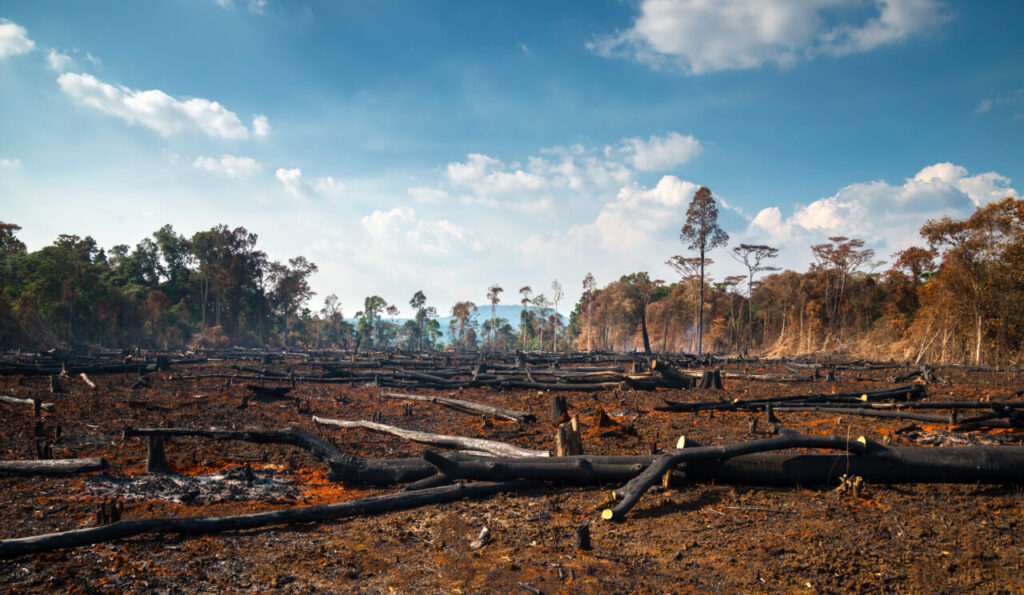
Understanding the ecocide meaning is crucial for addressing the root causes of human trafficking. As industries expand, they often do so at the expense of the environment and local communities. This displacement sets the stage for traffickers, who prey on economic desperation. For instance, in Southeast Asia, deforestation displaces thousands annually, forcing individuals into exploitative conditions, particularly in illegal logging or in distant urban areas as laborers.
How Does Ecocide Lead to Human Trafficking?
Ecocide acts as a catalyst for trafficking by dismantling the social and economic fabrics of at-risk communities. When large corporations exploit natural resources indiscriminately, they often leave behind barren lands unsuitable for sustainable living. Consequently, affected populations must seek new livelihoods, frequently falling into the hands of traffickers. Research shows that in Africa, ecological degradation has forced over 120,000 people into urban areas where trafficking networks are prevalent.
In addition to environmental destruction, the appropriation of land further aggravates this issue. Communities are uprooted with little to no compensation, diminishing their survival prospects. According to experts, such displacement increases the likelihood of human trafficking by up to 60%. This connection is not just a consequence of the immediate economic distress caused by ecocide but also of the social disruptions that follow.
What Are Real-World Examples of Ecocide Fuelling Exploitation?
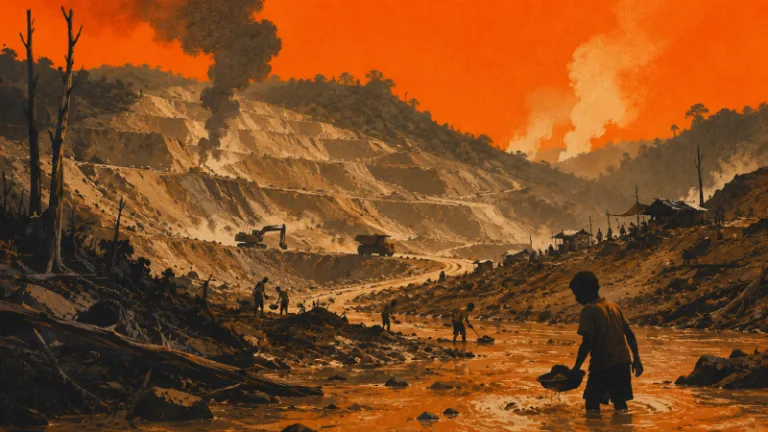
One pertinent example is the situation in the Amazon rainforest. Deforestation has reached alarming rates, with 7,888 square kilometers lost in just one recent year. This area, home to many indigenous communities, faces severe threats as logging and mining industries encroach further. The loss of traditional land forces many into urban slavery or illegal activities, underlining the vicious cycle between ecocide and human trafficking.
In Southeast Asia, similar patterns emerge. Mangrove destruction along coastlines displaces thousands, stripping them of both homes and livelihoods. Forced to migrate, these individuals encounter traffickers who exploit their desperation, often leading to conditions of forced labor under dire circumstances.
| Region | Ecocide Factor | Resulting Outcome |
|---|---|---|
| Amazon Rainforest | Deforestation | Urban slavery, illegal work |
| Southeast Asia | Mangrove Loss | Forced labor in cities |
| Sub-Saharan Africa | Drought, Land Grab | Urban migration, trafficking |
How Are Social Enterprises Combating This Issue?
Social innovation emerges as a pivotal solution to curb the detrimental effects of ecocide. Enterprises like REBBL and Dignita seek to empower local communities by creating sustainable business models that provide stable income without environmental degradation. These enterprises promote alternative economic opportunities that respect ecological limits.
In partnership with local leaders, these organizations build community resilience, offering vocational training and micro-loans. For example, in Tanzania, regenerative agriculture projects have re-established food security and revived local economies, reducing the need for migration and the risk of trafficking.
By addressing ecological harm and providing viable livelihoods, social enterprises break the chain of exploitation. They transform communities from potential trafficking hubs into self-reliant entities. This approach underscores our commitment at Not For Sale—dismantling conditions of exploitation before they manifest.
Putting It All Together
Understanding the ecocide meaning helps us address its deepest impact—exploitation. As ecocide displaces people, traffickers capitalize on the uncertainty. Solutions lie in upstream interventions that integrate ecological preservation with economic empowerment. We need to act at both the community and policy levels to create lasting change. Consider supporting ventures that emphasize sustainability and resilience. By doing so, we can reverse the cycle of exploitation fueled by environmental destruction.
Frequently Asked Questions about Ecocide and Human Trafficking
What is meant by ecocide? Ecocide refers to the extensive, often irreversible, damage to ecosystems due to human activities. It impacts both the environment and the communities reliant on those ecosystems.
How does ecocide relate to human trafficking? Ecocide displaces communities, creating conditions of poverty and desperation. Traffickers exploit these vulnerabilities, luring individuals into exploitative situations.
Can social enterprises help prevent human trafficking? Yes, social enterprises create sustainable economic opportunities that reduce vulnerability to trafficking by focusing on ecological and economic resilience.
What are some examples of ecocide? Examples include deforestation in the Amazon, mangrove destruction in Southeast Asia, and land grabs in Africa, all of which displace communities and heighten trafficking risk.
How can we combat ecocide and its effects? By supporting sustainable practices, enforcing strict environmental regulations, and empowering local communities economically, we can mitigate ecocide’s effects and reduce trafficking.
Witness the intricate ties between ecocide and exploitation. Dive deeper into how systemic challenges mold today’s world by subscribing to our monthly briefing. Gain insights, updates, and a clearer understanding of these pressing issues.
Sources
1. wearenotforsale.org/ 2. ABC News 3. The Guardian 4. World Resources Institute 5. UNODC Reports