The Human Trafficking Briefing
Original analysis on the hidden systems driving modern-day slavery and ecocide, the forces behind the headlines that most reporting misses. Written by Not For Sale from nearly two decades on the ground.
For donors, founders, investors, policymakers, and anyone who refuses to look away.
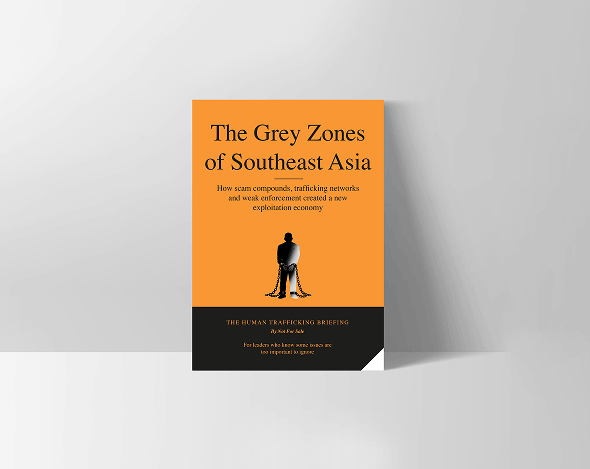 Latest edition
The Human Trafficking Briefing is a regularly published analysis for people who need to understand modern-day slavery and ecocide as they actually operate, not as headlines reduce them. Each edition examines the systems, patterns, and emerging realities driving both crises, with credible sourcing, original field insight, and a focus on where the system can be broken.
Why Subscribe
Awareness is everywhere. Understanding is not. This briefing closes the gap by delivering original analysis from an organization that has spent nearly two decades inside the systems it covers.
Know what others miss
Each edition covers the systems, patterns, and developments driving modern-day slavery and ecocide that mainstream coverage either simplifies or ignores entirely.
Understand how it works
Not headlines. Not statistics. How trafficking actually operates, why it persists, and what connects it to environmental destruction, explained by people who have witnessed it firsthand.
Trust what you're reading
Every briefing is built on field evidence, credible sourcing, and nearly two decades of on-the-ground presence, not recycled talking points or generic awareness content.
See where to act
We connect complex realities to concrete response, so that donors, founders, investors, and policymakers can move from understanding to intervention with confidence.
 Inside every edition
One briefing per edition, built to respect your time
Each edition goes deep on a single issue shaping modern-day slavery and ecocide today, from emerging trafficking routes and hidden criminal systems to underreported regional developments and the conditions that allow forced labor to persist unchecked. Written to help you understand:
- What is happening
- How the system actually works
- What mainstream coverage misses
- Why it matters now
- Where the system can be broken
Frequently Asked Questions
The Human Trafficking Briefing is a regularly published analysis from Not For Sale that goes deep on the systems, patterns, and realities driving modern-day slavery and ecocide, written by an organization that has spent nearly two decades inside the crisis it covers, not observing it from a distance.
Donors, founders, investors, policymakers, journalists, and anyone whose decisions affect people or supply chains, who wants to understand modern-day slavery and ecocide well enough to act on it, not just acknowledge it.
Each edition goes deep on a single issue at the intersection of modern-day slavery, ecocide, and the systems that produce both, combining field evidence, original analysis, and credible sourcing to explain not just what is happening but how it works and where it can be disrupted.