Where It All Started: Protecting Children in the Golden Triangle
Not For Sale’s people work in Thailand is where the entire organization’s mission began, with one woman, a group of children no one was protecting, and a refusal to look away. In the Golden Triangle, where the borders of Thailand, Laos, and Myanmar converge, the people work is inseparable from the planet crisis unfolding across the region, where rare earth mining, toxic runoff, and environmental destruction are driving new waves of displacement and trafficking.
By the numbers
0
People supported since 2007
0
Children and individuals served directly
0
Reached through prevention, outreach, and community programs
0
Children housed and supported per year at Baan Kru Nam
What We Found
Thailand’s position as a regional economic hub draws migrants from Myanmar, Laos, Cambodia, and Vietnam, many of them stateless, undocumented, and without legal protection. In the border regions of northern Thailand, tens of thousands of children are outside formal education. They cannot enroll in Thai schools because they have no citizenship. They cannot work legally. They have no documentation, no safety net, and no recourse.
Traffickers know this. Stateless children are the most invisible and therefore the most vulnerable people in the region. They are recruited with false promises of education or work, transported to Chiang Mai or Bangkok, and sold into sex bars, brothels, forced begging, domestic servitude, or labor trafficking. The boys and girls who escape to the streets are the fortunate ones. Many more remain in captivity.
Not For Sale has witnessed this system operating since before it was formally founded, and Thailand is where the conviction that trafficking must be fought upstream, at the point of vulnerability, first took root.
Meet Kru Nam
Before Not For Sale existed, Kru Nam was already on the front lines. A painter with a university degree in art, she launched a project to reach street children in Chiang Mai using painting as a form of expression and healing. What the children painted told a horror story: abduction, trafficking, sexual abuse, and forced labor. Most were not Thai. They had been brought from Myanmar, Laos, and Cambodia by recruiters who promised their families education and opportunity.
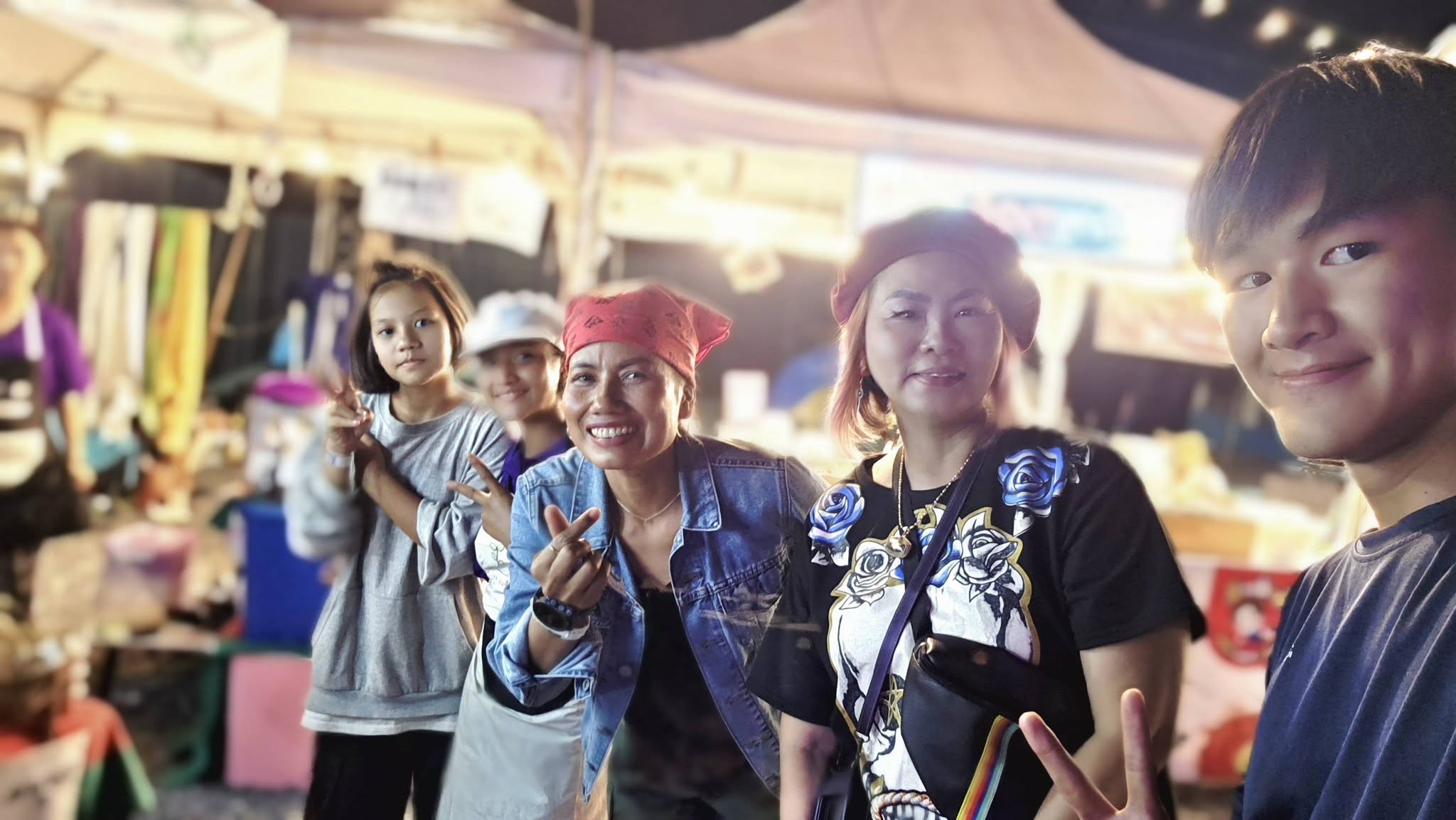
Kru Nam did not wait for permission. She walked into sex bars in Chiang Mai and led children out. When bar owners threatened to kill her, she changed tactics, organizing street teams to reach children arriving at the night markets before the recruiters could. When she realized that moving upstream would give her an edge, she relocated to Mae Sai, a major crossing point on the Thai-Myanmar border, and opened a shelter.
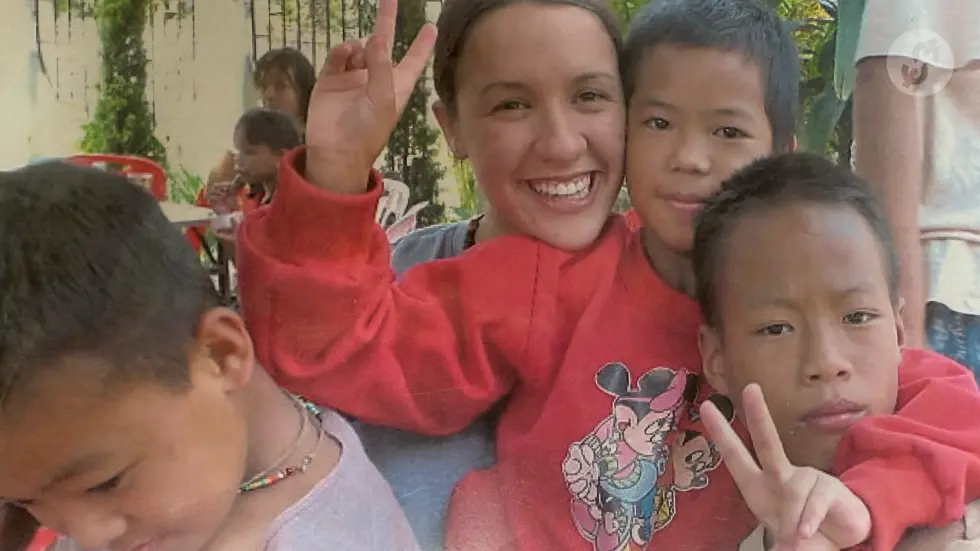
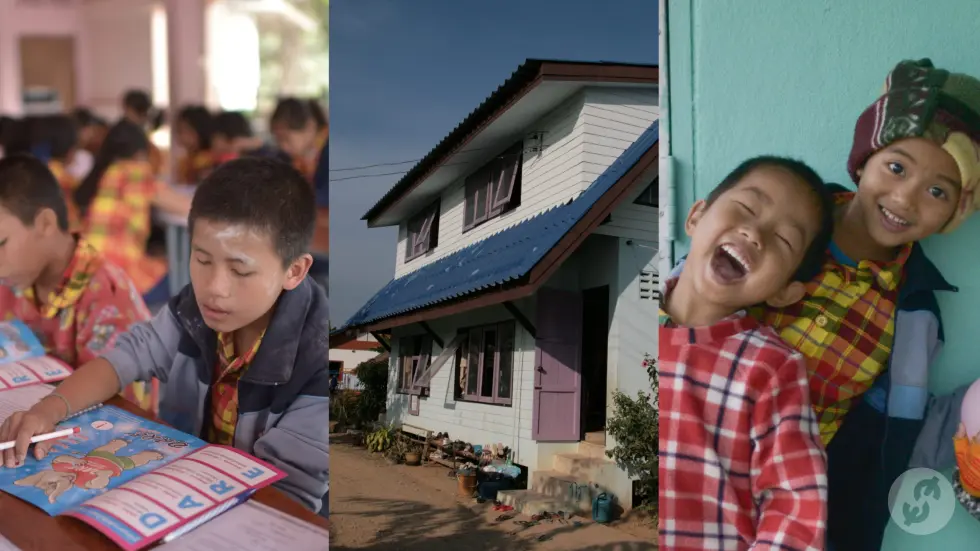
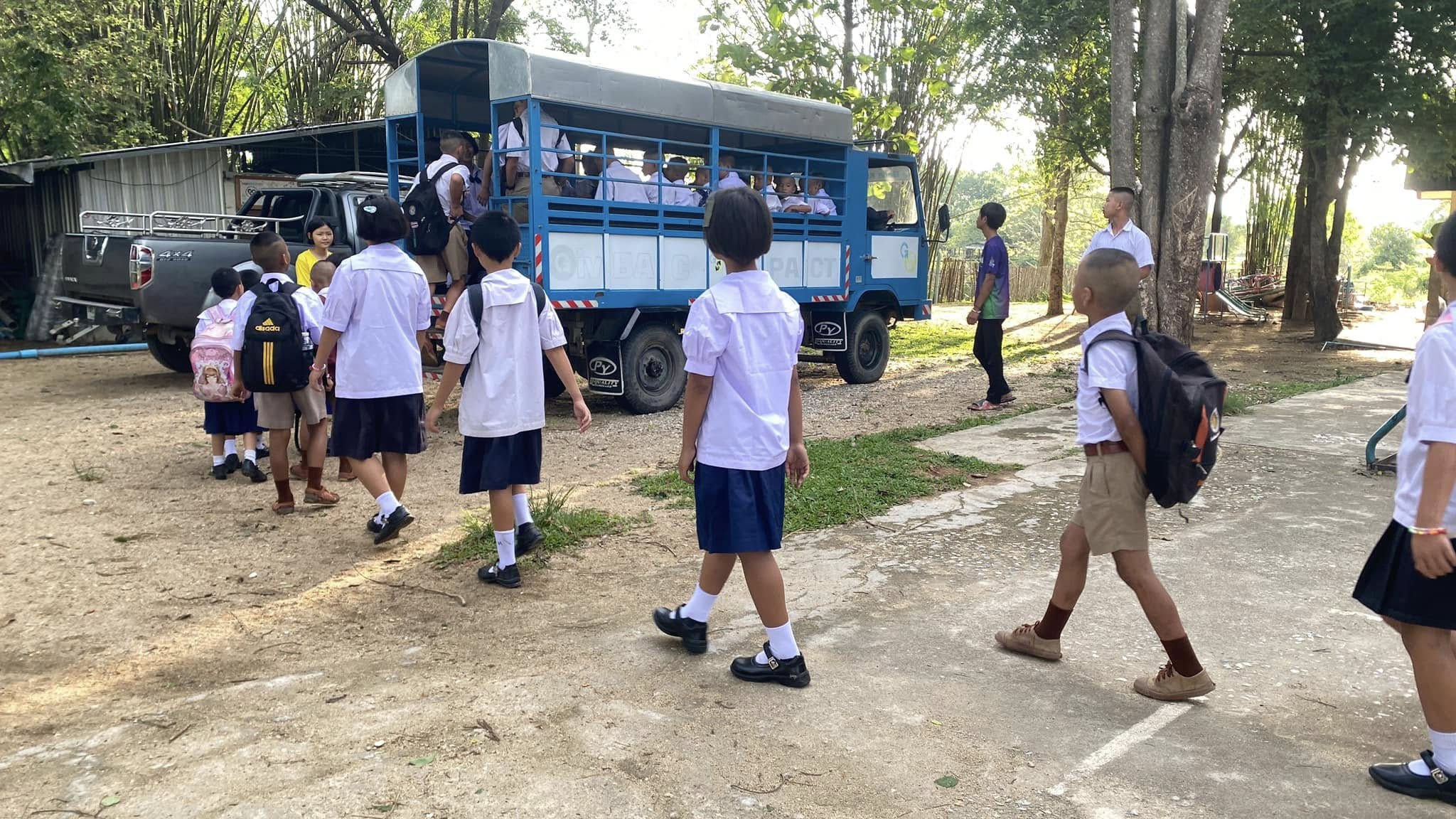
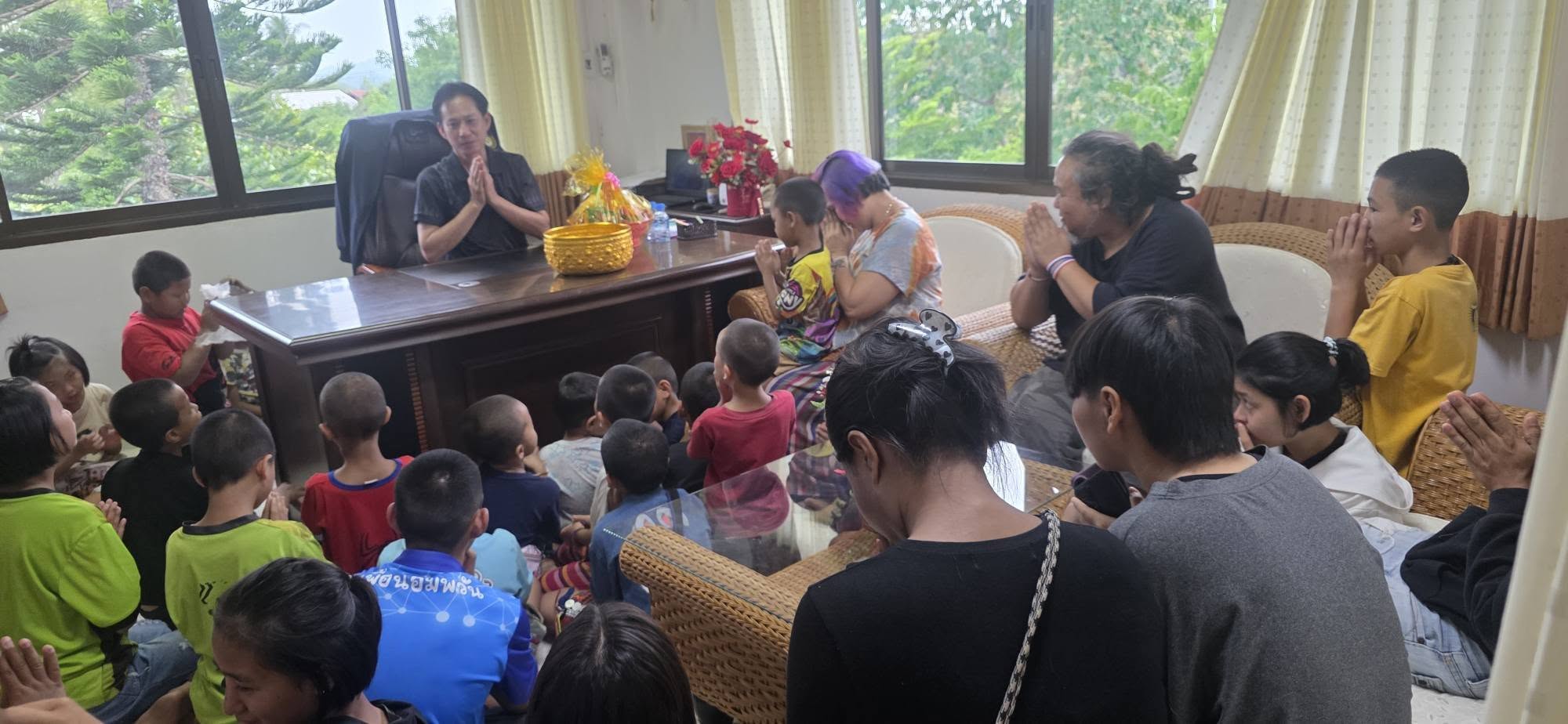
Eventually, she purchased land fifteen miles outside Mae Sai, in the heart of the Golden Triangle. That land became Baan Kru Nam, a children’s village that today provides year-round safe housing, education, nutrition, medical care, and emotional support for up to 150 children at a time. Not For Sale has supported Kru Nam’s work since 2007, and her community is now the subject of a documentary in production with Emmy Award-winning Terra Mater Studios.
Kru Nam was Not For Sale’s first project director. Her work did not inspire a program. It inspired an organization.
What We Set Out to Do
Provide safe, permanent homes, education, and long-term opportunity for children at risk of trafficking in northern Thailand, breaking the cycle not through temporary rescue but through a community where children can grow up protected, educated, and empowered for life.
What Stands in the Way
An estimated 200,000 migrant children in Thailand are outside formal education. Statelessness strips them of legal identity, access to schools, healthcare, and any pathway to legitimate employment. The border regions of the Golden Triangle, where Thailand, Myanmar, and Laos meet, are among the most active trafficking corridors in the world. More recently, rare earth mining and toxic pollution in Myanmar are contaminating the Kok River and driving new displacement across the border, while cyber-scam slavery operations in Laos and Myanmar are pulling trafficked people from across Southeast Asia at industrial scale. The threats are evolving. The vulnerability of stateless children has not changed.
What We Have Built
Safe housing and year-round care: Baan Kru Nam provides permanent housing, nutritious meals, medical care, and psychosocial support for children rescued from trafficking and those at extreme risk. This is not a shelter with a discharge date. Children live here, grow up here, and are supported through primary, secondary, and university education.
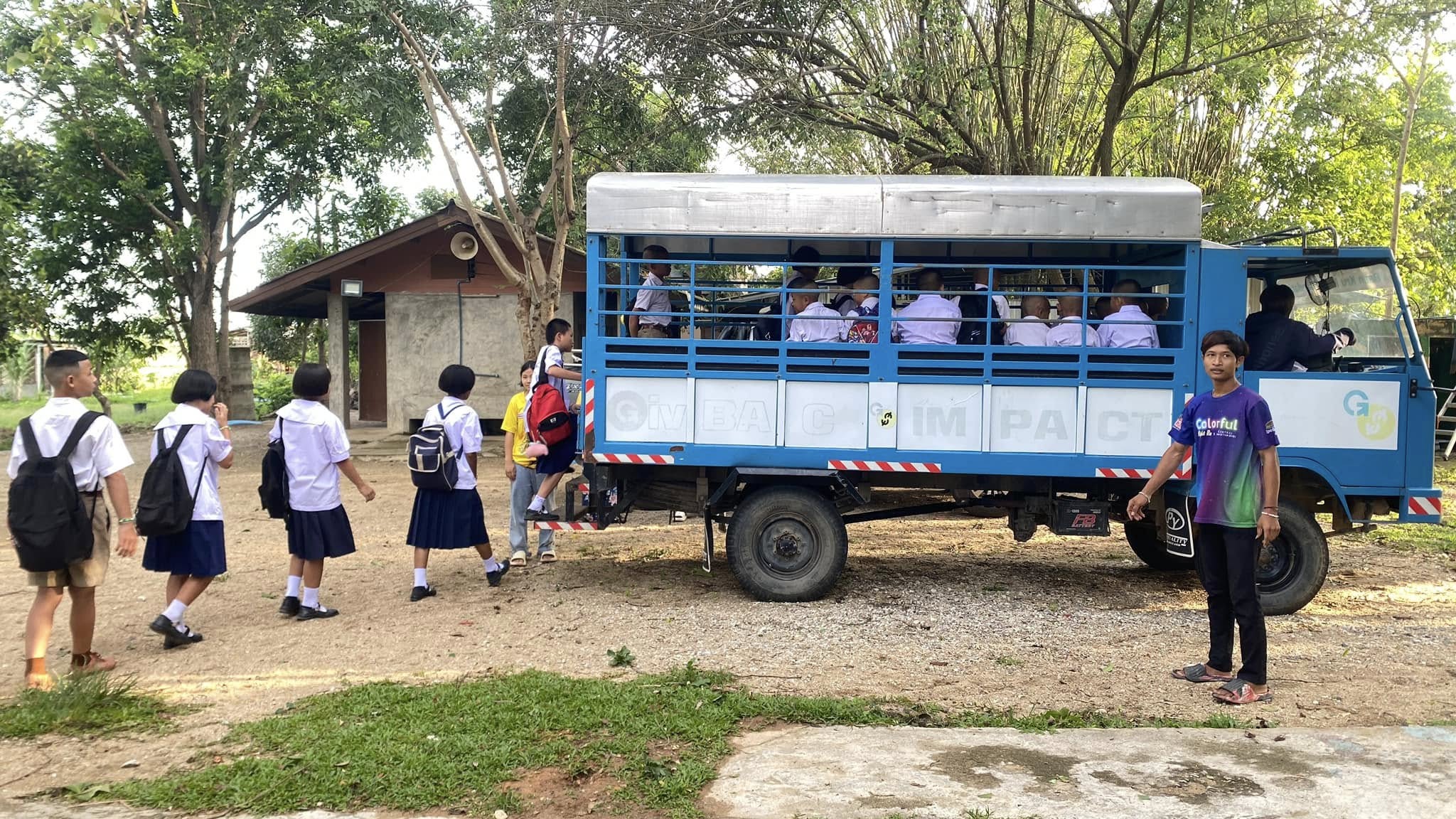
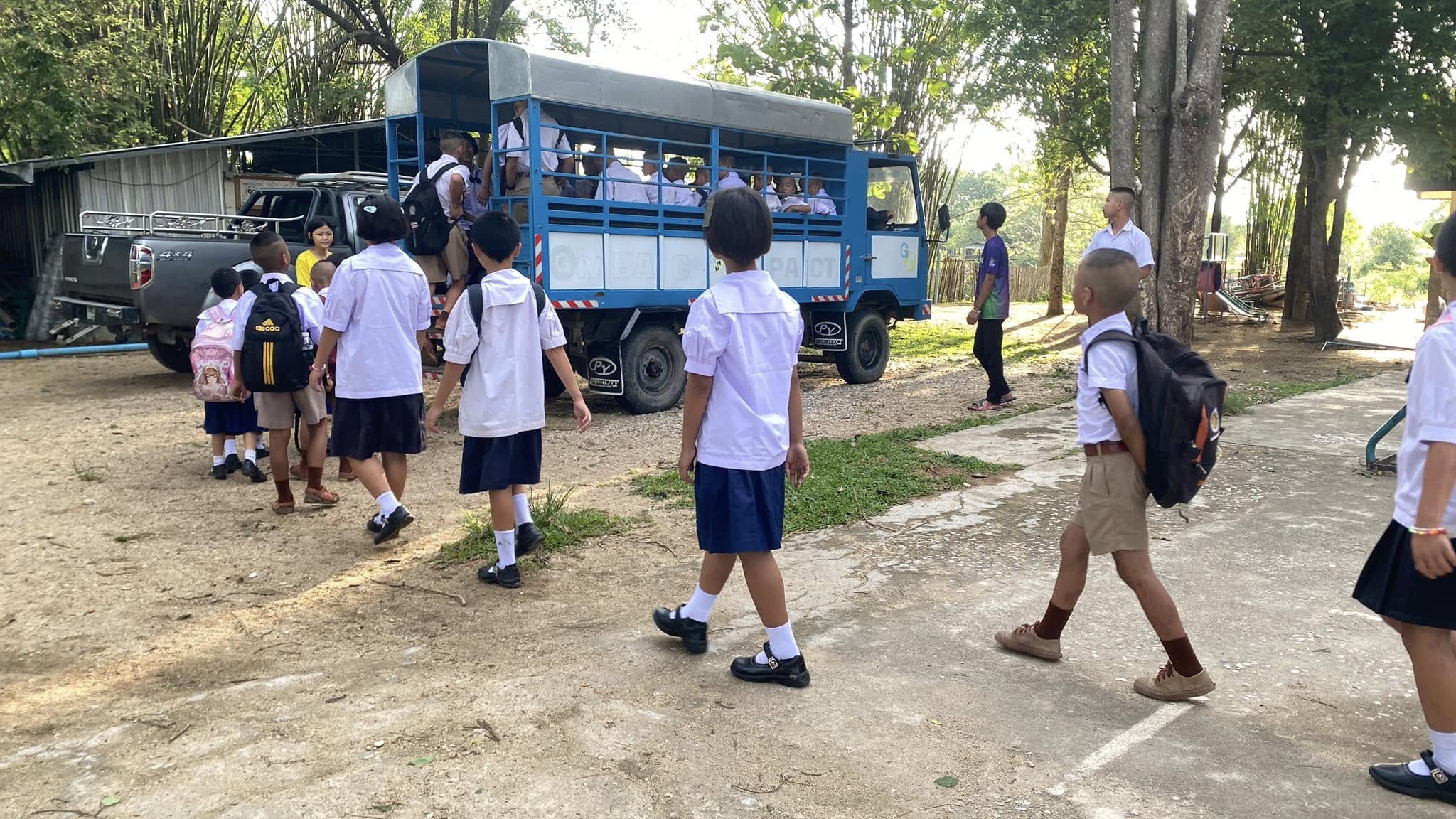
Education enrollment: Not For Sale works to enroll stateless children in formal Thai schools, navigating citizenship barriers that would otherwise lock them out of the education system entirely. Education is the single most effective long-term protection against trafficking.
Border outreach: Not For Sale conducts street outreach on the Thai-Myanmar border, reaching children and families at the point of highest vulnerability, before traffickers do. The goal is interception and connection to safe resources, not rescue after the fact.
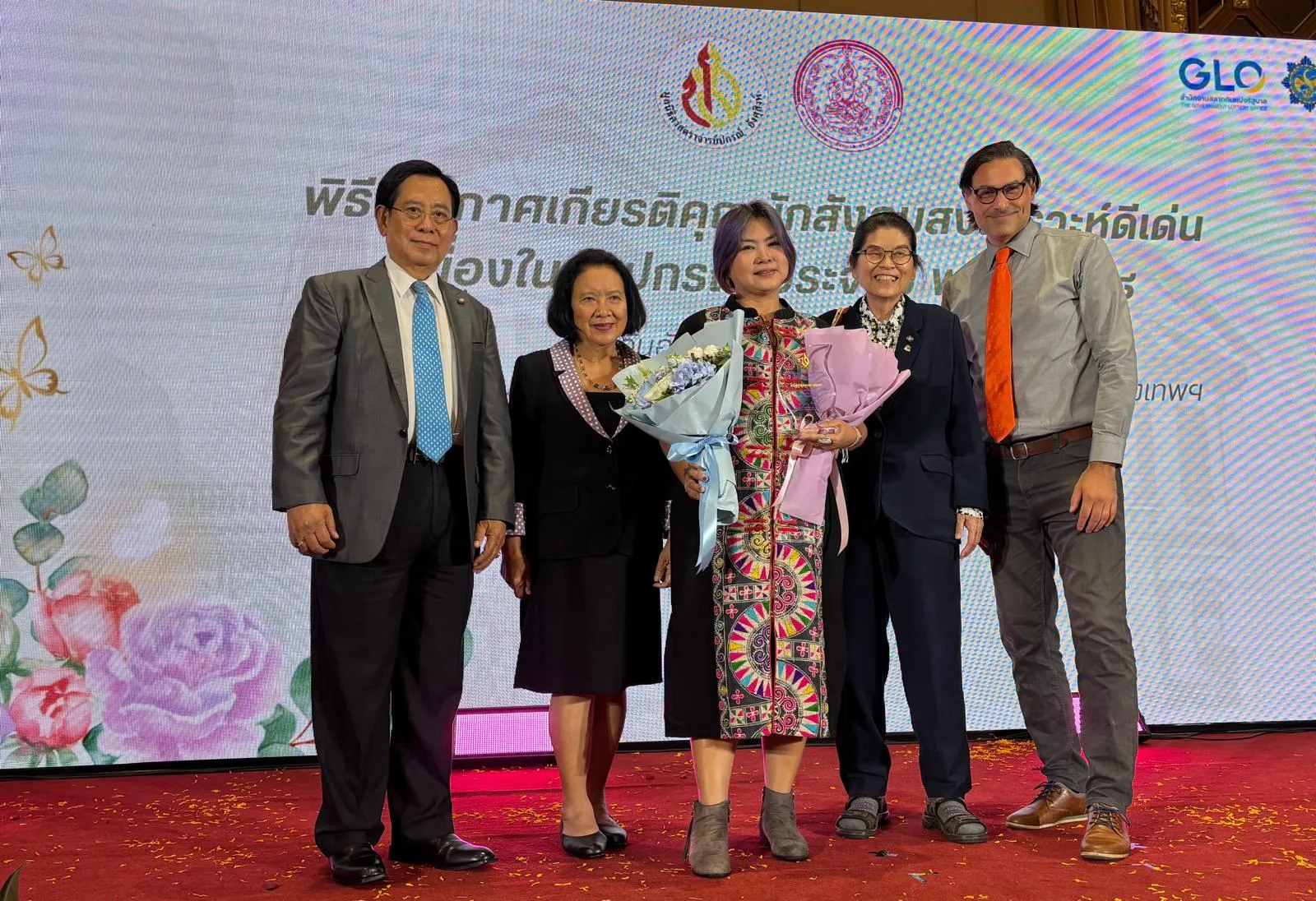
Government recognition: Not For Sale Thailand has been named a “model program” for the border regions by the Thai National Government, a recognition of both the quality of care and the effectiveness of the prevention-first approach.
Our Current Priority: Building the Girls’ Dorm
As the Baan Kru Nam community grows, so does the need for safe, purpose-built accommodation for girls entering their teenage years, the age at which vulnerability to sex trafficking increases sharply. Not For Sale is raising funds to build a dedicated girls’ dormitory that will provide secure, trauma-informed living space, ensure continuity of education through adolescence, relieve overcrowding in the existing village, and create a stable foundation for long-term independence.
This is not an upgrade. It is a critical line of protection.
Not For Sale’s social innovation work in Thailand follows the same Impact Stack sequence proven in Peru: direct service reveals root causes, root cause research identifies economic opportunities, and enterprise creation turns those opportunities into lasting alternatives.
What We Found
Many of the children at Baan Kru Nam originate from Akha hill tribe communities along the Thai-Myanmar border. Over the past thirty years, these communities transitioned from opium production to coffee farming, but the coffee they produced was low quality and earned very little. Without viable income, families remained vulnerable to the same recruiters and traffickers targeting their children.
What We Built
Not For Sale recruited coffee entrepreneur Kevin Bohlin to work directly with the Akha communities on improving their coffee quality. Over three years, the communities moved from commodity-grade to specialty-grade coffee, earning up to five times more per harvest. That increase in value stays in the community, strengthening livelihoods and reducing the economic desperation that traffickers depend on.
The partnership led to St. Clare Coffee, which sources directly from at-risk communities in Thailand and provides employment opportunities for survivors of trafficking in the San Francisco Bay Area. It is a direct application of the same principle that built REBBL in Peru: climb the value chain until the community at the bottom has leverage, ownership, and a reason to stay.
What Comes Next
Thailand is where Not For Sale’s origin story is being told at global scale. A documentary currently in production with Emmy Award-winning Terra Mater Studios is centered on Baan Kru Nam, Kru Nam’s journey, and the children whose lives have been transformed by nearly two decades of this work. The film will bring Not For Sale’s Thailand story, and the broader fight against trafficking in the Golden Triangle, to an international audience for the first time.
Read the people section above for the full picture, because in northern Thailand, protecting children and building economic alternatives for their communities are the same fight.
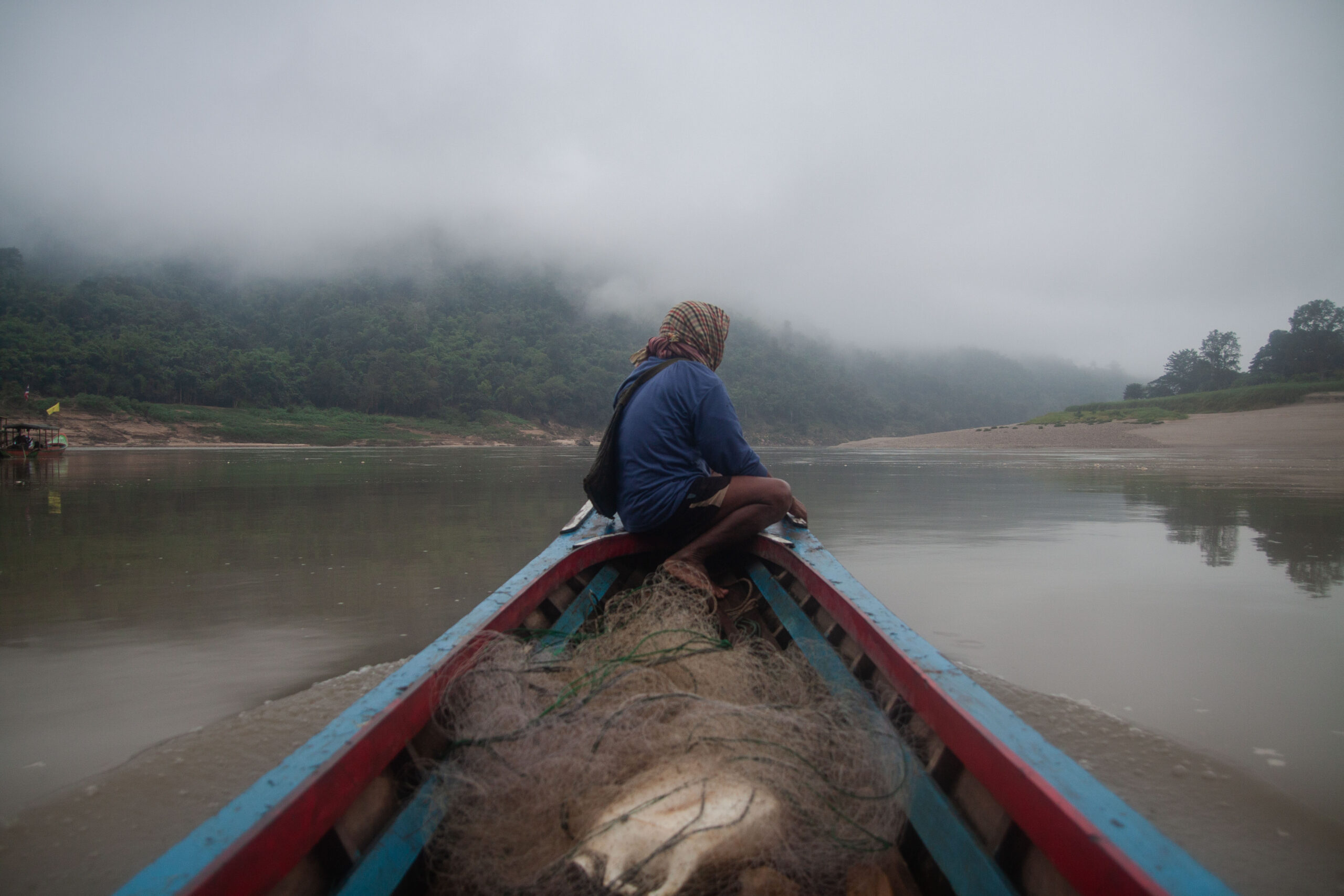
ILLEGAL MINING IN MYANMAR INCREASES TRAFFICKING RISKS
Illegal mining poisons rivers and waterways, deepening economic vulnerabilities for rural and indigenous communities. As these communities face heightened risks, traffickers exploit their desperation. This reality drives more urgent work for our team in the Golden Triangle region of Thailand, where we support nearly 100 children at risk of trafficking. How can we address these interconnected threats together?
In Ghana's market, vendors band together to combat human trafficking. They share resources and intelligence, creating a network that protects their community. "Together, we are stronger," says a local leader, emphasizing the importance of unity in the face of exploitation. Each step taken is a choice against the system that thrives on vulnerability.
In a bustling community center, women gather, sharing stories of resilience. Each face reflects a history of survival against systemic exploitation. They are not just victims; they are agents of change, working together to build sustainable futures. “Juntas somos más fuertes,” one woman declares, reminding us that unity fuels their strength.
In the heart of the city, we meet Maria, a former garment worker who now leads a cooperative. She and her team produce fair-trade clothing, reclaiming dignity in a system that once exploited them. "Juntas somos fuertes," she says, reminding us that together, we are strong.
We see the power of community in action. Each garment tells a story of resilience, challenging the status quo. What will you do today to support these makers?
A group of volunteers from Canada arrives, ready to collaborate on the ground. They meet local advocates who have been tirelessly working to address the needs of their community. Together, they share strategies and resources, building a bridge between cultures and efforts.
In the heart of the city, we meet Maria, a single mother who lost her job during the pandemic. With her savings depleted, she faced a choice: accept exploitative work or risk her family's survival. Maria chose to fight back.
Through our partner project, she connects with others in her situation, sharing resources and strategies for better opportunities. Together, they reclaim their rights and rebuild their lives.
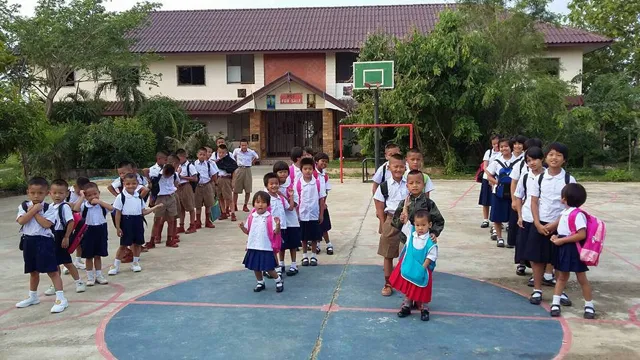
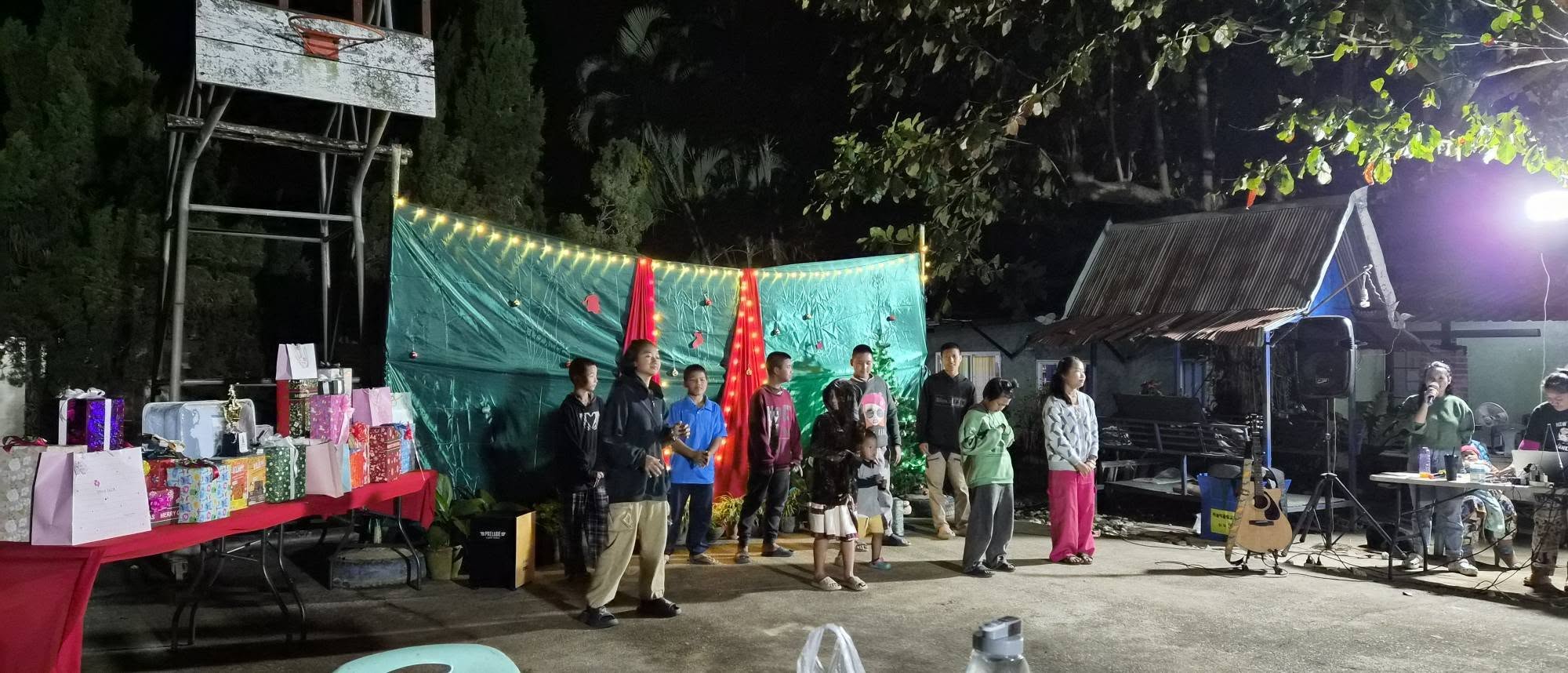
This rallying cry from the students at Baan Khru Nam Foundation echoes their commitment to each other. They face challenges head-on, refusing to settle for less. Together, they build resilience and support, proving that collaboration fuels progress. What will you do to join their fight?
At the Baankru Nam Foundation, we engage communities through fun skill-building activities. These games foster teamwork and connection, but they also reveal vulnerabilities. “อย่าว่ากันเด้อ รักนะ จุ๊บๆ,” reminds us of the bonds we create. Together, we navigate challenges, learning from each experience.
We cultivate resilience in our community. Children learn not just to survive but to thrive, finding joy in the process. “สนุก. มั่นคง. เชื่อมั่น.” Together, we build a foundation for a better future. How will you contribute to this ongoing journey?
In a bustling community center, children gather, but their eyes reflect uncertainty. They lack the essential life skills to navigate their world. We work alongside local educators to fill this gap, creating workshops that teach resilience, communication, and decision-making. “ทักษะชีวิตเราก็ไม่อยู่,” one teacher notes, emphasizing the urgent need for these lessons. What will we build together to ensure our youth thrive?
In a bustling marketplace, a group of women gathers, their faces marked by resilience and hope. They share stories of survival after escaping exploitation and hardship. Together, they have formed a cooperative, selling handmade goods to reclaim their independence and rebuild their lives.
“Nosotros somos fuertes,” one woman declares — we are strong — a powerful testament to their shared courage and determination.
We stand alongside these women by providing training, resources, and opportunities that amplify their voices and strengthen their livelihoods.
How can we continue supporting their journey toward dignity and self-sufficiency?
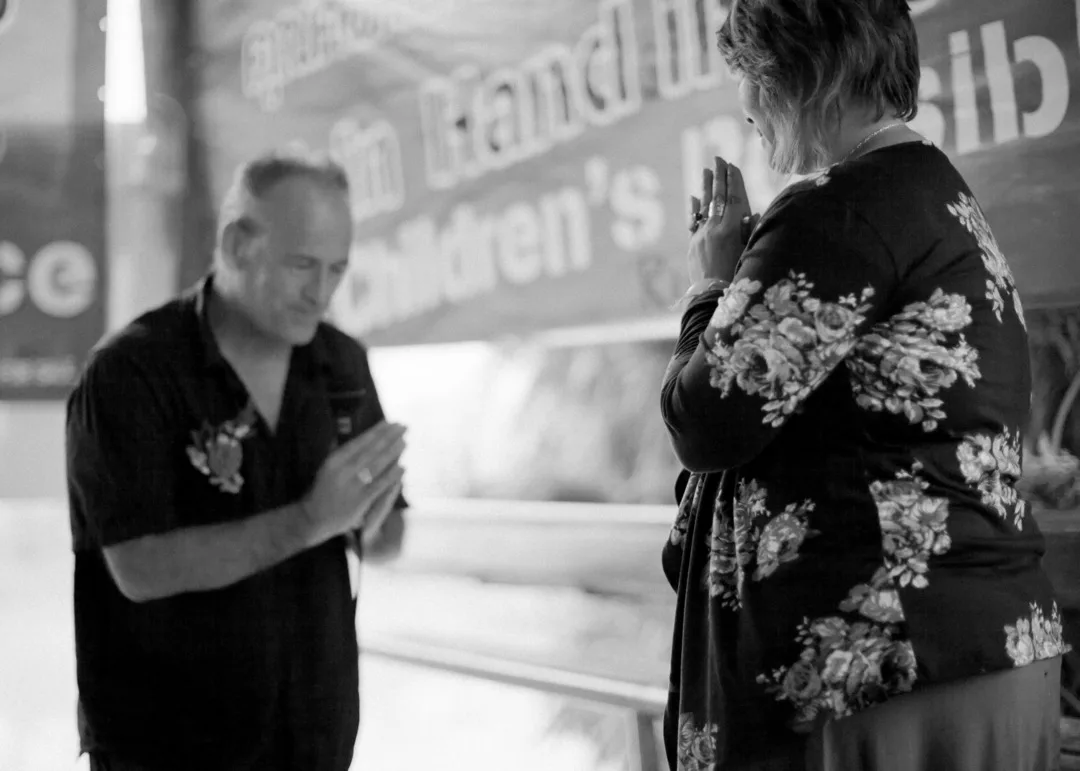
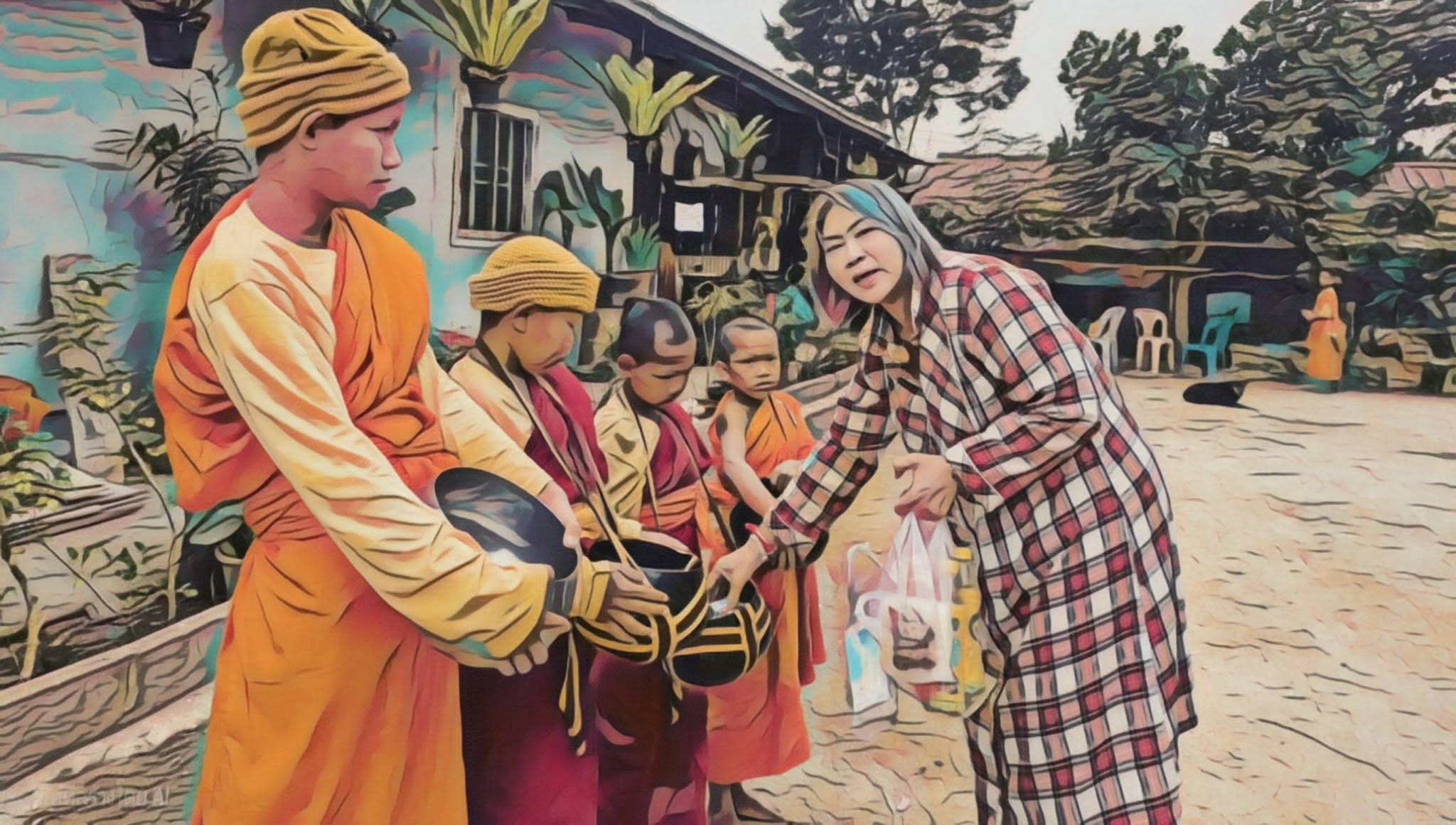
Kru Nam and a dedicated team of volunteers, including a former NFS Fellow, are on the ground, actively reshaping communities through construction and empowerment. Their commitment exemplifies how collective action can dismantle barriers and create lasting change. Join us in amplifying their efforts and be part of the movement that refuses to accept the status quo.
Together, we can build a future where every individual thrives.
In the heart of the community, Maria gathers with her neighbors, sharing stories of strength and survival. They face systemic barriers, but their resolve shines brighter than any obstacle. Together, we build networks of support, ensuring that every voice is heard and every need is met. What will you do to join us in this fight for justice?
Last week, I received over 500 expressions of support on my post! This overwhelming response is a testament to our collective strength and commitment to change. Your voices matter, and each interaction fuels our mission to challenge injustice and inspire transformation.
Let’s harness this momentum and continue to uplift one another in the fight for human rights. Together, we can create a world where every voice is heard and valued.
In Sakhon, the fight against human trafficking is not just a local struggle; it’s a global call to action. Our partners are on the ground, empowering communities to break free from the chains of exploitation. They embody the spirit of resilience, inspiring others to join this critical mission. "เราต้องร่วมมือกัน" — "We must work together."
Now is the time to unite our efforts, amplify our voices, and drive transformative change. Together, we can build a future where dignity and freedom reign.
The latest field update from our partner project reveals a profound shift in the lives of those we serve. By providing critical resources and unwavering support, we are igniting hope and fostering resilience in communities that have long been marginalized.
Every effort counts. Join us in amplifying these voices, challenging the status quo, and creating a future where dignity is a universal right. Together, we can turn compassion into action and reshape narratives that matter.