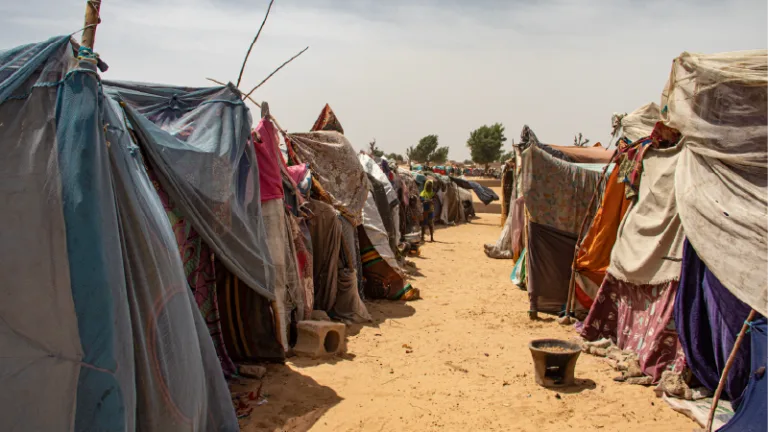
The History of Modern-Day Slavery and Human Trafficking
A deep dive into the history of slavery, modern-day slavery and human trafficking, a complex story that spans centuries and continents.

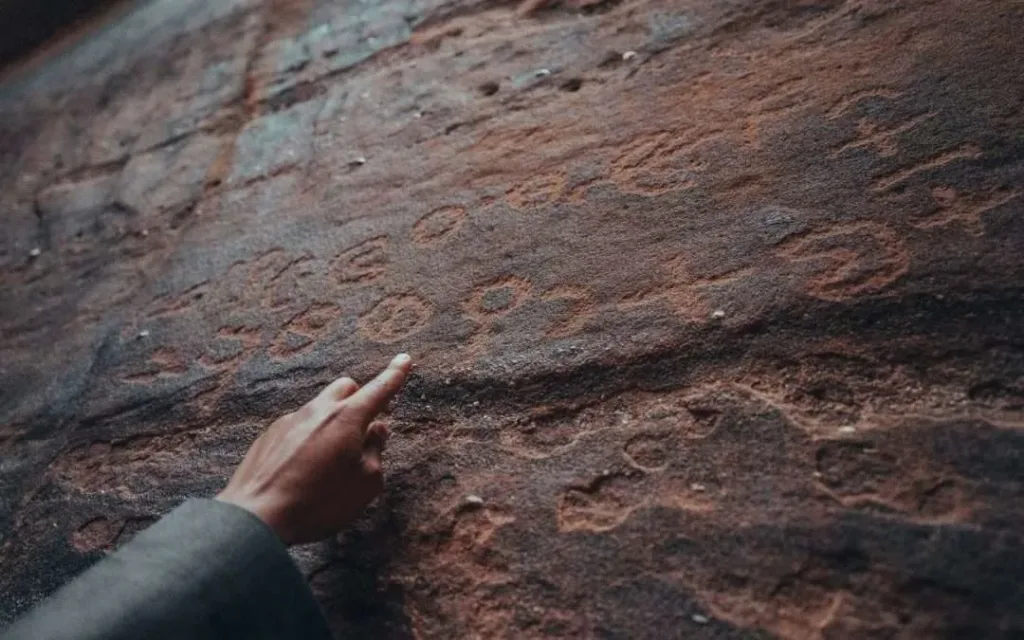
The history of slavery, modern-day slavery and human trafficking is a complex and evolving issue that spans centuries and continents. It is a tale of human rights violations that have morphed over time, adapting to changes in global dynamics, economics, and technology.
Slavery before the Transatlantic Slave Trade
Slavery before the Transatlantic Slave Trade was a widespread practice with a long history, varying significantly across different regions and cultures. Here is a brief overview.
Ancient civilizations (Mesopotamia, Egypt, Greece, and Rome)
Slavery was a common feature in ancient civilizations. In Mesopotamia and Egypt, slaves were used for domestic services, agricultural labor, and large-scale construction projects like pyramids and temples. In ancient Greece, particularly in Athens, slaves were employed in households, mines, and as rowers in galleys. Rome had a vast number of slaves, used as domestic servants, artisans, factory workers, and even as gladiators.
The Islamic world
Slavery was practiced in Islamic lands from the 7th century onwards. Slaves were used for a variety of purposes, including as soldiers (Mamluks in Egypt), servants, and laborers. The Islamic slave trade also involved the transportation of slaves from Africa to the Middle East and North Africa.
African slavery
Before the Transatlantic Slave Trade, various forms of servitude and slavery existed in different African societies. Some were akin to European serfdom, while others involved the enslavement of prisoners of war or debtors. African slaves were sometimes used as domestic workers, soldiers, or officials.
Asian slavery
In India, China, and Southeast Asia, slavery existed in various forms. In China, for example, slavery was primarily domestic, while in India the caste system had aspects that were similar to slavery. In Southeast Asia, slavery ranged from war captives to debt bondage.
The Americas
Pre-Columbian civilizations like the Aztecs and Mayans practiced slavery, typically using slaves for labor, human sacrifice, or as pawn slaves (debt bondage).
Europe
During the Middle Ages, serfdom, a condition not unlike slavery, was widespread in Europe. Serfs were bound to the land and subject to the will of the landowners.
The nature of slavery varied considerably in these societies. In some it was more akin to indentured servitude or serfdom, with certain rights or paths to freedom for the enslaved. In others it was more severe, with slaves regarded as property. Unlike the race-based chattel slavery that developed during the Transatlantic Slave Trade, earlier forms of slavery were often not explicitly based on race but on social status, debt, war captivity, or religion.
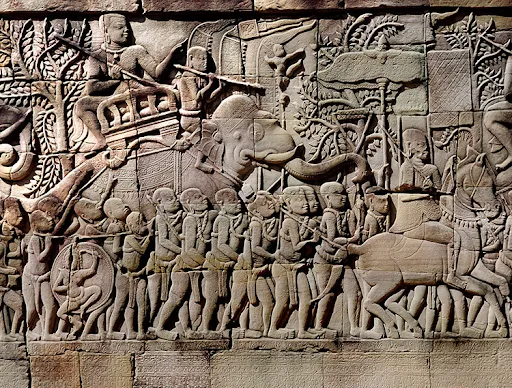
Further reading: a reading list and five documentaries about slavery before the Transatlantic Slave Trade.
The early history of modern-day slavery and the evolution of terms (1500 to 1866)
The Transatlantic Slave Trade
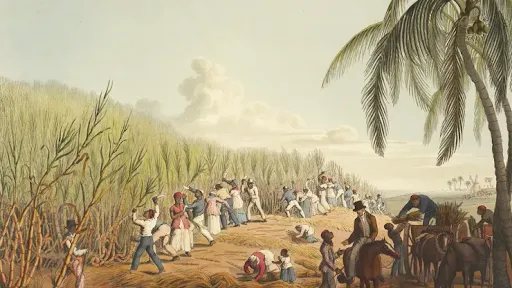
The origins of modern-day slavery are deeply embedded in the history of the Transatlantic Slave Trade. This era, spanning over three centuries, involved European nations such as Portugal in the capture and enslavement of African people, who were then transported across the Atlantic to various parts of the world, particularly the Americas. The trade was not only legal but also endorsed and regulated by government authorities at the time.
Read more: The Transatlantic Slave Trade.
William Wilberforce (1759 to 1833)
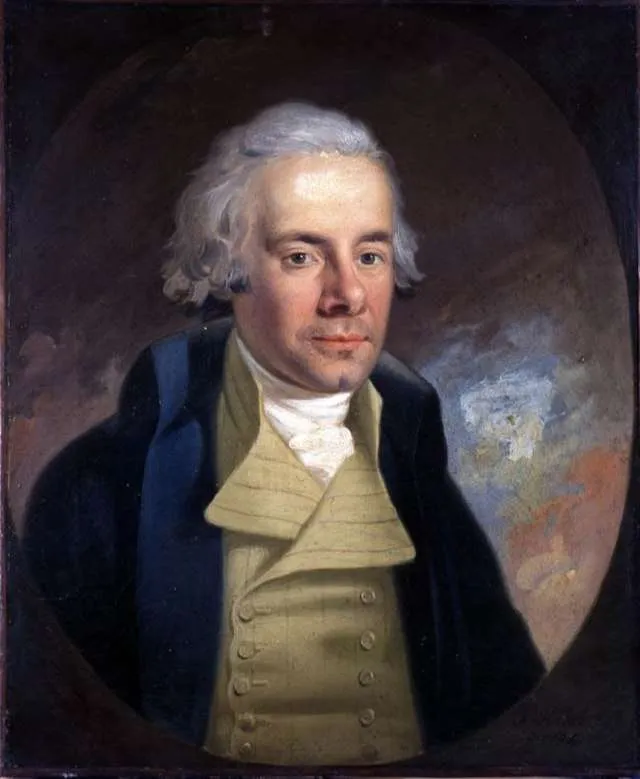
A key figure in the movement to abolish this trade was William Wilberforce, a British politician and a leader of the anti-slavery movement in the UK. His relentless advocacy and parliamentary campaigns were instrumental in the eventual abolition of the slave trade in Britain with the passage of the Slave Trade Act in 1807. Wilberforce’s efforts inspired similar movements across other nations, contributing significantly to the global fight against slavery.
Read more: William Wilberforce.
Of course, as we know, slavery did not end with the end of the Transatlantic Slave Trade in 1866.
Trafficking of Chinese immigrants into the United States (19th century)
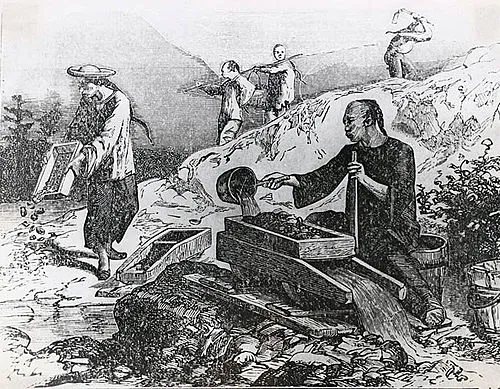
Following the Transatlantic Slave Trade era, the mid-19th century witnessed the emergence of new forms of human trafficking, involving Chinese immigrants in the United States. This period, characterized by the allure of the California Gold Rush and the demand for labor in the construction of the Transcontinental Railroad, saw not only the influx of Chinese laborers but also the exploitation of these immigrants. Many Chinese men were trafficked for labor, enduring harsh conditions and severe exploitation in various industries.
Simultaneously, Chinese women were often coerced into prostitution, largely orchestrated by criminal syndicates known as Tongs. This era marked a significant phase of both labor and sexual exploitation within the Chinese immigrant community.
Read more: the trafficking of Chinese immigrants into the United States.
Modern-day slavery today
The landscape of slavery and human trafficking has undergone a significant transformation since the end of the Transatlantic Slave Trade. Today, modern-day slavery manifests in various insidious forms, including bonded labor, the exploitation of child labor in global supply chains, and the grim reality of child soldiers and forced marriages. Additionally, human trafficking continues to plague global societies, with individuals being trafficked for labor in sectors such as agriculture and manufacturing, as well as for sexual exploitation.
Despite the establishment of international laws aimed at combating these issues, challenges remain prevalent, exacerbated by factors like poverty, corruption, and ineffective law enforcement. This complex scenario underscores the urgent need for enhanced global cooperation and a steadfast commitment to upholding human rights, as the fight against these modern forms of slavery and human trafficking continues in earnest.
Further reading: definitions and forms of modern-day slavery, our recommended reading list, five documentaries, and common myths about modern-day slavery and human trafficking.
International compacts, agreements, and legal frameworks against forced labor and human trafficking
1910
International Agreement for the Suppression of “White Slave Traffic”
In response to the increasing problem of European women being coerced into forced prostitution, a coalition of international governments united to establish the inaugural global accord targeting human trafficking. This agreement primarily concentrated on protecting migrant women and children from exploitation.
Read more: the International Agreement for the Suppression of “White Slave Traffic”.
ILO
The International Labour Organization
The establishment of the ILO was a pivotal move in setting protective standards for working conditions, representing a crucial advancement in the recognition and fight against labor exploitation.
Read more: the International Labour Organization, its formation, purpose, and work.
1921
International Convention for the Suppression of Traffic in Women and Children

The League of Nations facilitated the signing of this convention, acknowledging the high incidence of human trafficking for both forced labor and sexual exploitation during the early 1900s. This agreement was crucial in expanding the definition of human trafficking to include all races and both genders.
Read more: the International Convention for the Suppression of Traffic in Women and Children.
1949
United Nations Convention
Post-World War II, the United Nations adopted its first legally binding international agreement on human trafficking, focusing on the suppression of trafficking in persons and the exploitation of prostitution.
Read more: the United Nations Convention on human trafficking.
Modern developments and challenges
1980 to present
The internet and social media
With the rise of the internet and social media, human trafficking underwent a radical transformation. Traffickers now exploit victims via digital platforms, including those selling sexual content and seemingly innocuous social media sites. These platforms facilitate grooming, recruitment, and advertising of sexual services.
Read more: the internet and social media and the rise of digital exploitation.
Climate change
Climate change significantly contributes to the exacerbation of modern-day slavery, forced labor, and human trafficking. As it disrupts ecosystems and economies, particularly in vulnerable regions, climate change acts as a catalyst for displacement and poverty, pushing communities into precarious situations. For instance, extreme weather events, sea-level rise, and agricultural disruptions force people to migrate, often without secure plans or resources, making them susceptible to traffickers who exploit their desperation.
In regions facing severe environmental degradation, traditional livelihoods become untenable, compelling individuals, including children, to seek work in hazardous conditions, often characterized by exploitative labor practices. Additionally, climate change-induced conflicts over resources can further destabilize societies, increasing the risk of trafficking and forced labor. The impacts of climate change are not only environmental but also deeply social, creating conditions that traffickers can exploit.
Read more: how climate change contributes to the rise of modern-day slavery.
2000
United Nations Protocol
In a major step forward, the United Nations Protocol to Prevent, Suppress and Punish Trafficking in Persons, Especially Women and Children was adopted. This protocol acknowledged modern-day slavery and expanded the definition of human trafficking to include organ harvesting and forced labor. The United Nations Global Initiative to Fight Human Trafficking (UN.GIFT) was launched in 2007, emphasizing a global approach to combating this issue.
Read more: the United Nations Protocol.
2000
Trafficking Victims Protection Act
The Trafficking Victims Protection Act (TVPA), enacted in 2000 and subsequently reauthorized, represents a significant legislative milestone in the United States’ fight against human trafficking. It provides a comprehensive framework, defining human trafficking and establishing extensive measures for the prevention of trafficking, protection of victims, and prosecution of perpetrators. It notably introduced severe penalties for trafficking offenses, enhanced victim assistance measures, and established the T-Visa, allowing victims to stay and assist in legal actions in the U.S. It also set up the Office to Monitor and Combat Trafficking in Persons, tasked with coordinating efforts against trafficking and preparing the influential annual Trafficking in Persons (TIP) report.
Read more: the Trafficking Victims Protection Act.
2011
EU Anti-Trafficking Directive
Adopted in 2011, the EU Anti-Trafficking Directive, formally known as Directive 2011/36/EU, stands as a pivotal legal framework within the European Union, aimed at combating human trafficking. This directive outlines a comprehensive approach that encompasses the prevention of trafficking, the protection of victims, and the prosecution of offenders. It defines the scope of human trafficking to include various forms of exploitation such as sexual exploitation, forced labor, and organ removal. Key provisions mandate member states to ensure robust victim support services, including access to legal assistance, healthcare, and housing, and call for stringent penalties for traffickers. The directive also emphasizes prevention through public awareness campaigns and enhanced cooperation among EU countries.
Read more: the EU Anti-Trafficking Directive.
Other country-specific anti-trafficking laws
In addition to the Trafficking Victims Protection Act (TVPA) in the USA and the EU Anti-Trafficking Directive, several other countries have notable country-specific anti-trafficking laws that are pivotal in the global fight against human trafficking.
India
The Immoral Traffic (Prevention) Act (ITPA), 1956: originally known as the Suppression of Immoral Traffic in Women and Girls Act, it was amended in 1986 and is the primary legislation in India for combating trafficking for commercial sexual exploitation.
United Kingdom
Modern Slavery Act, 2015: this act consolidates and simplifies previous offenses relating to trafficking and slavery. It introduces measures to protect victims and requires businesses to report on their actions to prevent modern slavery in their operations.
Canada
The Protection of Communities and Exploited Persons Act, 2014: part of Canada’s strategy against human trafficking, focusing on criminalizing the purchase of sexual services, providing assistance to victims, and public awareness campaigns.
Australia
Modern Slavery Act, 2018: similar to the UK’s legislation, Australia’s act requires certain large businesses and entities to report annually on the risks of modern slavery in their operations and supply chains, and the actions taken to address those risks.
Brazil
The National Policy to Combat Trafficking in Persons: established in 2006, this policy aims to prevent trafficking, suppress trafficking networks, and ensure assistance to victims, along with promoting their social reintegration.
Thailand
Anti-Trafficking in Persons Act B.E. 2551 (2008): a comprehensive legal framework to combat human trafficking, with provisions for prevention, prosecution of traffickers, and protection of victims.
Philippines
Anti-Trafficking in Persons Act of 2003 (Republic Act No. 9208): a landmark law criminalizing all forms of trafficking and establishing strong penalties for offenders.
NOT FOR SALE
Related Articles