Preventing Modern Slavery and Human Trafficking of Children and Young People
Preventing modern slavery and human trafficking of children and young people means making it harder for exploiters to gain control of a…

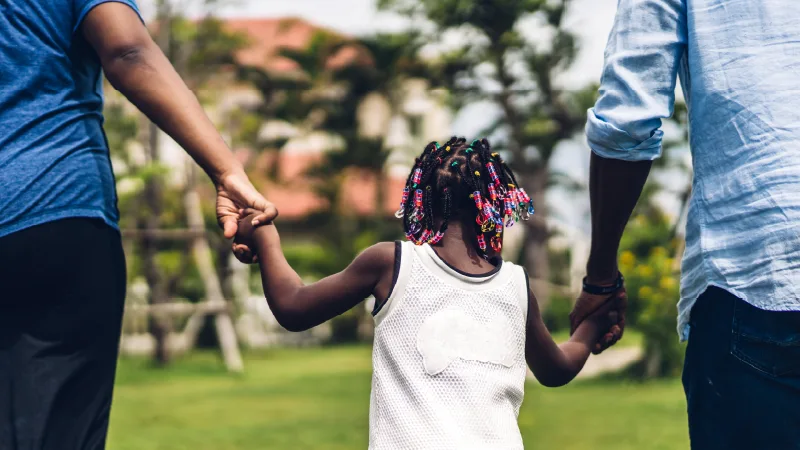
Preventing modern slavery and human trafficking of children and young people means making it harder for exploiters to gain control of a child’s life. That requires reliable housing, access to education, support for families, safer digital environments and services that recognise exploitation before a young person is left facing it alone. Criminal investigations are essential, but prevention also depends on what happens long before a crime reaches the attention of the police.
The difficulty is that exploitation does not always announce itself as danger. It may begin with an offer of paid work, a relationship that appears affectionate, somewhere to stay or help with a family’s expenses. The person offering these things may already be known to the child. By the time demands, threats or restrictions become apparent, the young person may feel indebted, frightened or emotionally attached to someone who is harming them.
An effective response must understand that process without making children responsible for stopping it. Young people deserve information and a voice in decisions affecting them, while adults and institutions remain responsible for creating the conditions in which they can grow up safely.
What This Article Covers
- How child trafficking and modern slavery are defined, and why apparent agreement does not make exploitation acceptable.
- How recruitment, grooming and dependency can develop in everyday settings and online.
- What families, schools and community organisations can do to strengthen protection.
- Why housing, income, education and legal support matter to prevention.
- How governments and businesses can address the systems that enable exploitation.
- What to do when a child may be at risk, and why support must continue after identification.
Key Takeaways
- Child trafficking can happen within a country, and an international border crossing is not required.
- Under the UN Trafficking in Persons Protocol, trafficking a person under 18 does not require proof of the force, fraud or coercion required in adult cases.
- Children may experience labour exploitation, sexual exploitation or criminal exploitation, sometimes in combination.
- Warning signs should prompt a safeguarding response, but no single behaviour proves that trafficking has occurred.
- Prevention needs practical support alongside education about risk, including safe accommodation and access to school.
- A child who has experienced exploitation needs continuing protection, with decisions guided by their safety, dignity and individual circumstances.
Why Prevention Remains Urgent
The United Nations Office on Drugs and Crime’s Global Report on Trafficking in Persons 2024 found that children accounted for 38 per cent of trafficking victims detected globally in 2022. The date and wording matter: these are recorded detections from the report’s underlying data, rather than a count of every child experiencing trafficking today. Hidden cases, uneven identification and differences between national reporting systems limit what the figures can reveal. Nevertheless, they establish how substantial a place children occupy among those identified.
A separate measure shows the broader extent of harmful work. Estimates published by the International Labour Organization and UNICEF in June 2025 found that nearly 138 million children were in child labour in 2024, including approximately 54 million in hazardous work. The total had fallen by more than 22 million since 2020, demonstrating that progress is possible, although the world missed its target of eliminating child labour by 2025.
Child labour and child trafficking are different categories, and those figures should never be presented as interchangeable. Their relationship does, however, expose an important weakness in approaches that concentrate entirely on identifying individual traffickers. Where children lack access to education, families cannot meet essential costs and employers can use harmful labour with little scrutiny, the conditions for exploitation remain.
Understanding What Children Need Protection From
Under the UN Trafficking in Persons Protocol, child trafficking involves recruiting, transporting, transferring, harbouring or receiving someone under 18 for exploitation. Unlike the definition applying to adults, there is no requirement to establish that force, deception or another specified coercive means was used. A child’s apparent willingness to travel, accept work or accompany someone therefore does not remove the possibility of trafficking.
This definition also challenges the assumption that trafficking always involves a journey across an international border. Recruitment and harbouring are included in their own right. A child can be exploited within their own country, including close to home.
Modern slavery is a broader term commonly used to encompass trafficking, slavery, servitude and forced labour. For readers seeking the wider context, Not For Sale’s guide to what human trafficking is and how it works explains the relationships between recruitment, control and exploitation.
It is equally important to distinguish harmful child labour from lawful, age-appropriate work. An older teenager’s safe employment, undertaken within applicable legal limits and without disrupting education, is different from work that damages health, prevents schooling or involves exploitation. The ILO identifies slavery, trafficking, forced labour and the use of children in illicit activities among the worst forms of child labour.
Those distinctions help professionals respond accurately, but a child should never have to understand the correct legal terminology before receiving help.
How Exploiters Establish Control
Grooming often works by creating a relationship that a child values. Someone may offer attention, reassurance, gifts or a sense of belonging before introducing demands and secrecy. The NSPCC explains that grooming can happen online, in person or through both, and may involve someone the child already knows. It can also extend to relatives or friends whose trust helps the exploiter appear credible.
That makes prevention more complicated than teaching children to avoid strangers. A young person may need help recognising when affection becomes conditional, when a favour is turned into an obligation or when someone starts controlling their contact with other people. They also need confidence that seeking help will lead to support rather than humiliation.
Criminal exploitation illustrates how apparent opportunity can become control. Home Office guidance on county lines describes children being offered money, clothing, protection or friendship, alongside threats, violence and the manipulation of debts. A young person may appear to be participating willingly while someone else controls the circumstances and benefits from their involvement.
The preventive question is therefore broader than whether a child accepted something. It concerns who holds power, what is being demanded and whether the young person can safely refuse.
Recognising Risk Without Stereotyping Children
Poverty, conflict, discrimination and exclusion from services can increase exposure to exploitation, but none provides a complete profile of a child who will be trafficked. Boys and girls can be affected, and children with citizenship, secure homes and involved parents can also be targeted.
Some circumstances call for particularly careful support. UNICEF identifies risks facing migrant and displaced children, including trafficking, violence and child labour. Separation from caregivers and difficulties accessing essential services can leave young people with fewer sources of protection. The appropriate response is to improve their safety and access to assistance, rather than treat migration itself as evidence of wrongdoing.
Prevention must also be accessible. Information that depends on confident reading, fluent speech or familiarity with public services will not reach every child. Organisations should consider language, disability, communication needs and whether a young person can speak privately to someone independent of the adults around them.
Not For Sale’s child-trafficking explainer provides further background on these risks. The practical task is to understand the circumstances of each child without allowing assumptions about nationality, gender or behaviour to determine who receives attention.
What Families and Trusted Adults Can Do
Children benefit from conversations that make manipulation understandable without suggesting that every relationship is dangerous. Adults can discuss why someone might ask for secrecy, how gifts can be used to create pressure and why a person who cares about them should not demand harmful acts in return.
These conversations should leave room for uncertainty. A child may feel attached to someone who is exploiting them and may not be ready to describe that person as abusive. An adult who insists on an immediate admission can lose the opportunity to listen.
The NSPCC recommends teaching children about healthy relationships and ensuring they know trusted adults, including people outside the home, whom they can approach. If a child discloses grooming, its guidance emphasises listening, taking them seriously, explaining that the abuse is not their fault and making clear what will happen next.
For families, that means keeping an avenue for help open even when a young person has broken a rule, concealed a relationship or accepted money. Protection becomes harder when the child believes that telling the truth will cost them every remaining source of support.
Parents and carers also need assistance themselves. Anxiety, shame and uncertainty can be considerable when exploitation is suspected, and specialist safeguarding advice can help families respond without placing the child at further risk.
What Schools and Youth Services Can Change
A school may notice interrupted attendance, a youth worker may hear about an unexplained debt and a health professional may encounter exhaustion or untreated injuries. Each observation may be incomplete, which is why safeguarding needs a coordinated response.
Prevention education should sit within that wider system. Lessons about exploitation are more useful when pupils know how to seek help, who will receive a disclosure and what support is available afterwards. A poster cannot answer a frightened child’s questions about whether their family will be safe or whether someone will believe them.
The World Health Organization’s INSPIRE framework places education alongside several other strategies for preventing violence against children, including caregiver support, safer environments, economic strengthening, effective laws and response services. It offers a useful foundation for prevention planning, although it is a framework for violence prevention broadly rather than proof that any single activity will stop trafficking.
Schools and services should therefore examine their own procedures as carefully as their awareness materials. They need clear referral routes, staff who understand their responsibilities and arrangements for following up concerns. A young person’s safety should not depend on every professional independently discovering the same information.
Safer Digital Environments Require More Than Warnings
Online grooming uses spaces where young people already socialise, including games, messaging services and social networks. The concern is the behaviour taking place: manipulation, threats, pressure, secrecy and attempts to establish control. An unfamiliar online friendship alone does not establish that trafficking is occurring.
Families need workable ways to discuss those experiences. Asking what happens in a game or group chat can reveal more than a general instruction to “be careful online”, particularly when the conversation allows a child to describe something uncomfortable without immediately being blamed.
Responsibility also extends to the companies designing these environments. Platforms should assess how their contact features, reporting systems and moderation processes can protect children. Reporting abuse should be understandable to a young user, and a report involving threats should receive an appropriate response.
For schools and parents, digital literacy should include recognising coercion rather than simply protecting passwords. Young people need to understand that an embarrassing conversation, a shared image or a mistake does not entitle anyone to exploit them.
Housing, Income and Education Are Part of Prevention
An offer becomes harder to reject when it appears to solve an urgent need. A young person without safe accommodation may have little room to question someone offering a bed, while a family facing a financial crisis may struggle to assess promises of employment or education.
The ILO identifies poverty, barriers to schooling, economic shocks and weak social protection among the drivers of child labour. These findings support a practical prevention agenda: help families meet essential costs, make education accessible and ensure that safe employment is available to adults and young people of lawful working age.
Not For Sale’s Indigenous youth hostel project in Madre de Dios illustrates how accommodation and education can be connected. The project supports the infrastructure young people need while studying away from their communities, including cooking, dining and sleeping facilities.
Providing that infrastructure does not establish how many trafficking cases have been prevented, and such a claim would require separate evidence. Its immediate purpose is clear: making continued education more practicable without leaving students to find unsupported living arrangements.
Environmental Harm Can Weaken Children’s Protection
Environmental destruction matters to child protection when it disrupts the conditions that keep families secure. A damaged livelihood, an evacuation or the loss of a school can create needs that persist after the immediate emergency.
UNICEF warns that disasters can separate children from caregivers and increase exposure to exploitation, trafficking and abuse. Its recommendations include making education, health, social protection and child-protection services resilient and accessible to children who have been displaced.
This is a connection that requires precision. A flood does not automatically cause trafficking, and a natural disaster should not automatically be described as ecocide. The relevant issue is whether disruption leaves children without protection and whether assistance reaches them before an exploiter does.
Not For Sale’s 2026 flood-relief update from Thailand describes practical assistance delivered to families in Nan Province. Emergency support and longer-term safeguarding serve different purposes, but both belong in a serious discussion of how communities remain secure during disruption.
Governments and Businesses Must Address the Systems Behind Exploitation
International law supplies an essential foundation, but protection depends on implementation. The UN trafficking framework requires states to address trafficking offences, while ILO standards identify slavery, trafficking and other severe exploitation of children among the worst forms of child labour.
Governments need functioning services alongside criminal enforcement. Labour inspection, accessible education, safe accommodation and trained child-protection staff all affect whether exploitation is discovered and whether children have alternatives.
In the UK, the National Referral Mechanism provides a framework for identifying potential victims of modern slavery. Authorised first responder organisations make referrals, and children do not have to consent to being referred. A referral does not remove the need for immediate safeguarding action, and procedures must follow the relevant national guidance.
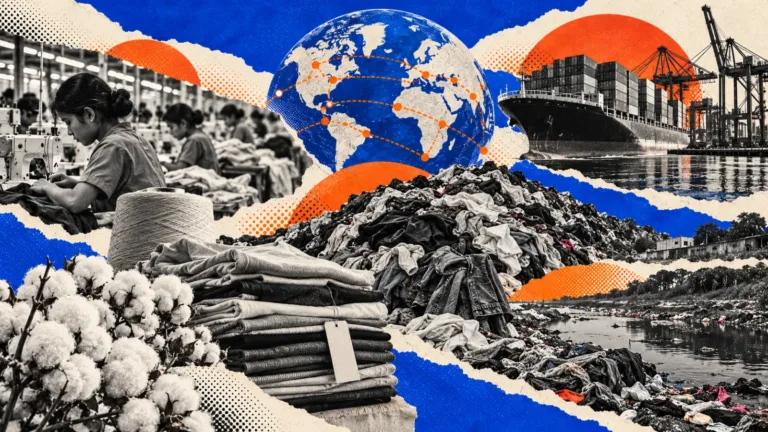
Businesses also need to examine how their decisions affect risk. The ILO identifies low-cost purchasing pressures, fast delivery demands and outsourcing into informal work among factors that can contribute to child labour. An effective company response should therefore scrutinise purchasing practices and recruitment arrangements as well as supplier declarations.
The test is whether commercial activity supports lawful, safe work and whether concerns lead to meaningful protection for affected children.
Recognising Warning Signs and Responding Safely
Possible indicators include unexplained absences, restricted movement, excessive work, fear of particular people or an adult who controls a child’s contact with others. These signs can have different explanations, but concerns deserve professional assessment rather than dismissal or amateur investigation.
If a child talks about exploitation, listen calmly and avoid pressing for a detailed account. Explain that you take the concern seriously and cannot promise secrecy where information must be shared to protect them. Do not confront the suspected exploiter or publish identifying details.
In the UK, call 999 if a child is in immediate danger. Otherwise, contact local children’s social care or the police, and follow organisational safeguarding procedures where applicable. Outside the UK, contact the appropriate local emergency or child-protection service. Concerned adults do not need to prove trafficking before seeking advice.
Protection Must Continue After Identification
The effects of exploitation may include untreated illness, exhaustion, interrupted education and psychological distress. Leaving an exploitative situation does not necessarily resolve those needs or remove the conditions that made the child vulnerable.
A credible support plan should consider safe accommodation, healthcare, education, legal advice and continuing relationships with trusted professionals. It should also listen to what the young person wants and fears. Decisions about family contact or return to a community require individual assessment rather than assumptions that either separation or reunification is automatically safe.
Not For Sale’s work with Kru Nam in northern Thailand describes an approach combining accommodation, education and continuing care. Its relevance lies in that sustained attention to children’s lives, rather than any suggestion that one intervention can guarantee protection.
Prevention should ultimately be judged by whether children can remain safe while building futures of their own. That means asking whether a child has somewhere secure to live, can continue learning and has someone who will respond when help is needed. Those everyday protections deserve the same seriousness as the criminal investigations that follow when they fail.
Frequently Asked Questions
What is child trafficking?
Child trafficking is the recruitment, transportation, transfer, harbouring or receipt of someone under 18 for exploitation. Under the UN Protocol, proof of force, fraud or coercion is not required in child cases.
Can a child consent to trafficking?
A child’s agreement to travel, work or remain with someone does not make trafficking lawful. The special protection in the UN Protocol applies even where the child appears willing.
Does trafficking require crossing a border?
No. Child trafficking can occur within a country, and the international definition includes recruitment and harbouring for exploitation as well as transportation.
Is all child labour human trafficking?
No. Child labour and trafficking are distinct categories that can overlap. Safe, lawful work undertaken by an older teenager is also different from harmful child labour.
Can children be exploited into committing crimes?
Yes. Children may be manipulated or forced into activities such as transporting drugs or committing theft. Apparent participation does not remove the need to assess exploitation and safeguarding concerns.
Can trafficking begin online?
Digital services can be used to recruit, groom or control children. However, online abuse and trafficking are not interchangeable terms; the circumstances must be assessed against the relevant legal definition.
What can schools do to prevent exploitation?
Schools can teach about healthy relationships and manipulation, establish accessible reporting routes and ensure concerns reach safeguarding professionals. Education works within a wider response that includes family support and appropriate services.
What should I do if I suspect a child is being trafficked?
Seek help from child-protection services or the police, and use emergency services where danger is immediate. Avoid confronting the suspected exploiter or trying to investigate the situation yourself.
Why does support need to continue after a child leaves exploitation?
Children may still need safe housing, healthcare, education and protection from further abuse. Continuing support addresses those needs while helping the young person regain stability and make decisions about their future.
Sources
- UNODC: Global Report on Trafficking in Persons 2024.
- United Nations: Trafficking in Persons Protocol, including Article 3.
- UNODC: Legislative Guide for the Trafficking in Persons Protocol.
- ILO and UNICEF: 2024 global child-labour estimates, announced 11 June 2025.
- ILO: What is child labour?.
- UNICEF: Migrant and displaced children.
- UNICEF: Children displaced in a changing climate.
- WHO: INSPIRE: Seven strategies for ending violence against children.
- NSPCC: Grooming: recognising, responding and prevention.
- NSPCC Learning: Protecting children from trafficking and modern slavery.
- Home Office: Criminal exploitation of children and vulnerable adults: county lines.
- Home Office: National Referral Mechanism guidance.
- Not For Sale: Programme reports and related articles linked throughout the feature.
Not For Sale
A global movement fighting modern-day slavery and ecocide in 33 countries. Building on the frontlines since 2007.