


How Human Trafficking, Environmental Destruction, and Critical Minerals Are Connected
4.4 MIN READ
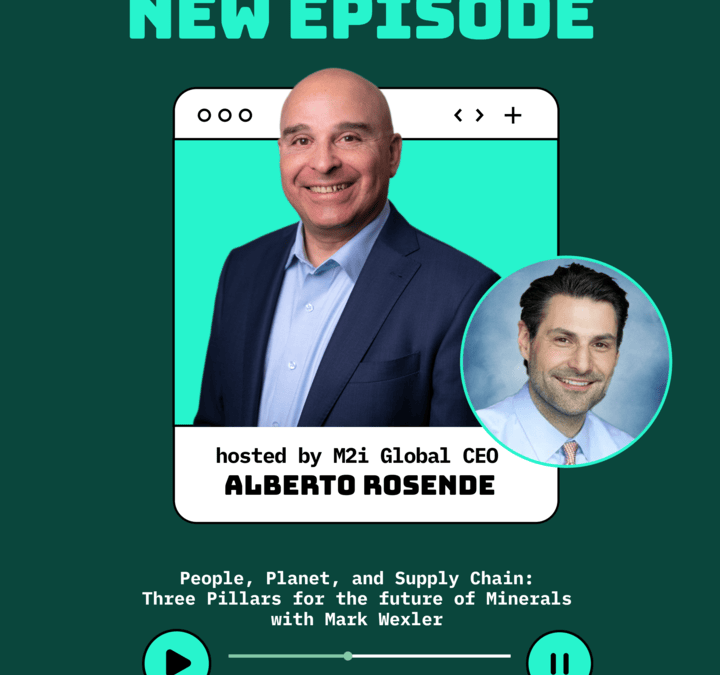
Mark Wexler on Why Fixing Supply Chains Can Change Lives
What do the smartphone in your pocket, the energy transition, and modern-day slavery have in common?
In a new podcast interview, Mark Wexler, Co-Founder and CEO of Not For Sale, explains why the answer lies deep inside the global critical minerals supply chain, and why addressing exploitation upstream may be one of the most powerful tools we have to end human trafficking.
Mark recently joined Alberto Rosende, President and CEO of M2i Global, on The Minerals & Metals Initiative podcast for a wide-ranging conversation about how human trafficking, forced labor, environmental destruction, and mineral extraction are fundamentally linked.
Drawing on nearly two decades of frontline work combating trafficking across Africa, Southeast Asia, Latin America, and Europe, Wexler makes the case that rescue alone is not enough. To create lasting freedom, we must redesign the modelts that allow exploitation to thrive in the first place.
Human Trafficking Begins Long Before Exploitation Is Visible
In the episode, Wexler describes how illicit mining, weak governance, and opaque supply chains create ideal conditions for forced labor, especially in regions rich in minerals critical to modern technology.
One of the clearest examples is the Democratic Republic of Congo (DRC), where minerals such as coltan and cobalt move from conflict-affected mining zones into global electronics, batteries, and renewable energy infrastructure.
Illegal and unregulated mining operations often operate in lawless environments, where workers — many of them children — are subjected to coercion, debt bondage, and violence. Environmental destruction compounds the problem by collapsing local livelihoods, pushing families into ever more dangerous forms of labor just to survive.
Why People, Planet, and Supply Chains Are Inseparable
A core theme of the conversation is what Wexler calls “one rope, three strands”:
people, planet, and supply chain practice.
Environmental harm and human exploitation are not separate crises — they are two expressions of the same broken system.
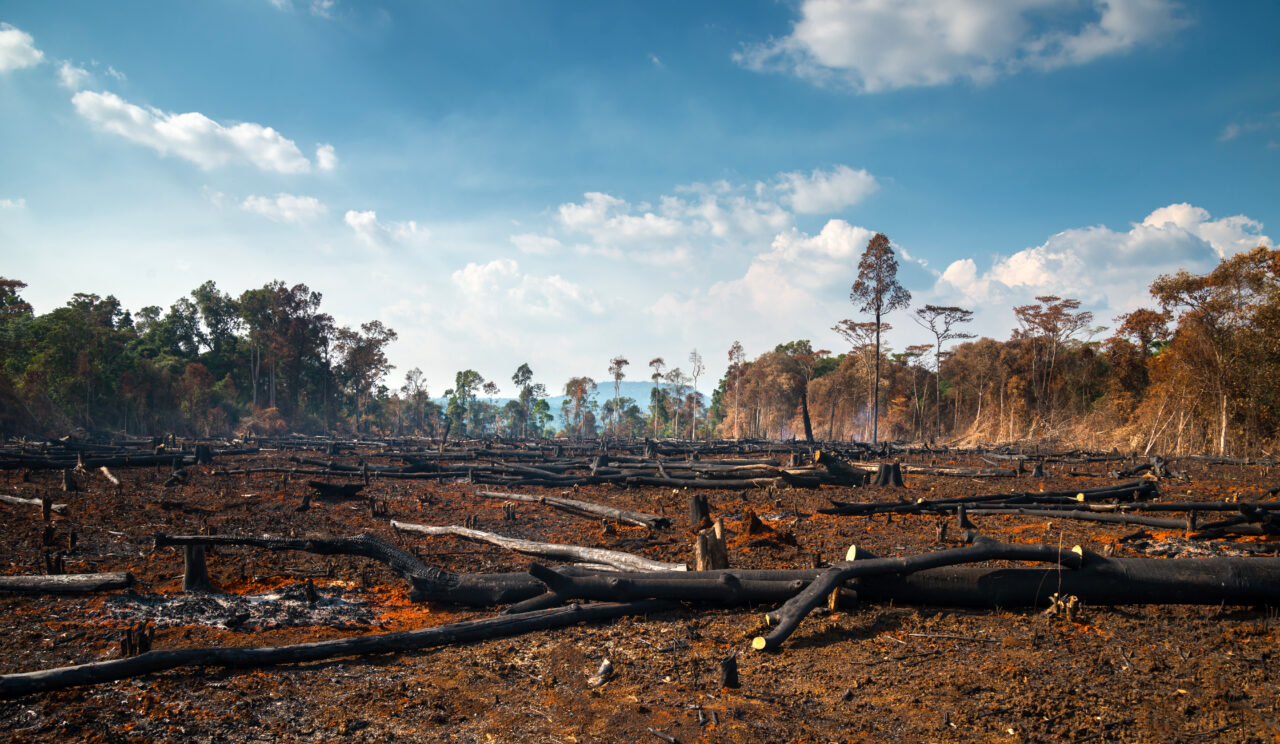
- Deforestation, river poisoning, and land degradation destroy traditional livelihoods
- Economic desperation increases vulnerability to traffickers and labor brokers
- Untraceable supply chains allow exploitation to be hidden inside legitimate markets
From the Amazon rainforest to mining corridors in Central Africa, the pattern repeats.
At Not For Sale, this understanding has shaped a strategy focused not just on protection and rehabilitation, but on systemic prevention through social innovation and crafting ethical markets.
Why Small Improvements Can Have Outsized Impact
Even fractional improvements in supply chains, when applied at global scale, can dramatically reduce harm:
- Stronger labor standards
- Community-centered governance around extraction sites
- Environmental remediation technologies
- Strict traceability and transparency
“Fixing just five or ten percent of a massive system,” Wexler notes, “can protect more people than rescuing thousands downstream after harm has already occurred.”
A Model for Systemic Change: Not For Sale and M2i Global
The episode also highlights the growing partnership between Not For Sale and M2i Global, which aims to turn high-risk mineral supply chains into engines for ethical innovation.
Together, the organizations are working to align:
- Responsible mining practices
- Indigenous and local community engagement
- Market incentives that reward transparency
Rather than shunning the minerals economy — which underpins energy systems, technology, and infrastructure — the goal is to rebuild it on foundations of dignity, accountability, and sustainability.
This approach reflects Not For Sale’s broader model, which integrates people-centered protection, planetary stewardship, and social enterprises like REBBL, Dignita, and Regenerate Technology Global to create long-term solutions that outlast any single project.
Episode 4 Highlights
- The cost of degradation: How environmental destruction and human exploitation are two sides of the same global system.
- Discovering modern-day slavery: The personal story that led Wexler to co-found Not For Sale and confront trafficking.
- People and planet intertwined: Lessons from Peru and the Amazon on how forced labor and ecological harm reinforce one another.
- Good vs. great impact: Why fractional improvements in mineral supply chains can outweigh isolated rescue efforts.
- The DRC mineral crisis: How conflict, weak governance, and illicit mining continue to drive modern slavery.
- Governance and traceability: Why local power structures, justice systems, and transparent supply chains matter.
- One rope, three strands: People, planet, and supply chain practice as inseparable pillars of impact.
- Partnership in practice: How the M2i-Not For Sale collaboration advances responsible mining and sustainable markets.
Listen to the Full Conversation
Episode 4: Human Trafficking, Forced Labor, and the Critical Minerals Supply Chain
If you missed Episode 3, listen to our discussion with Hugo Schumann of EverMetal Capital on critical metals recycling and the circular economy. Find it here.
Why This Conversation Matters
Human trafficking does not exist in isolation. It is embedded in the global systems that power our lives, from the phones and cars we use to the energy we depend on.
By rethinking supply chains, restoring ecosystems, and centering dignity in economic design, we can prevent exploitation before it begins.
That is the work Not For Sale exists to do, and the future this conversation points toward.
Meet Not For Sale’s Leadership:
Published by NOT FOR SALE December 15, 2025


Sign Up to our Newsletter
Join our movement and get the latest updates, stories, and ways to take action, straight to your inbox.