


What’s Fueling Trafficking’s Rise Into Japan?
3.9 MIN READ
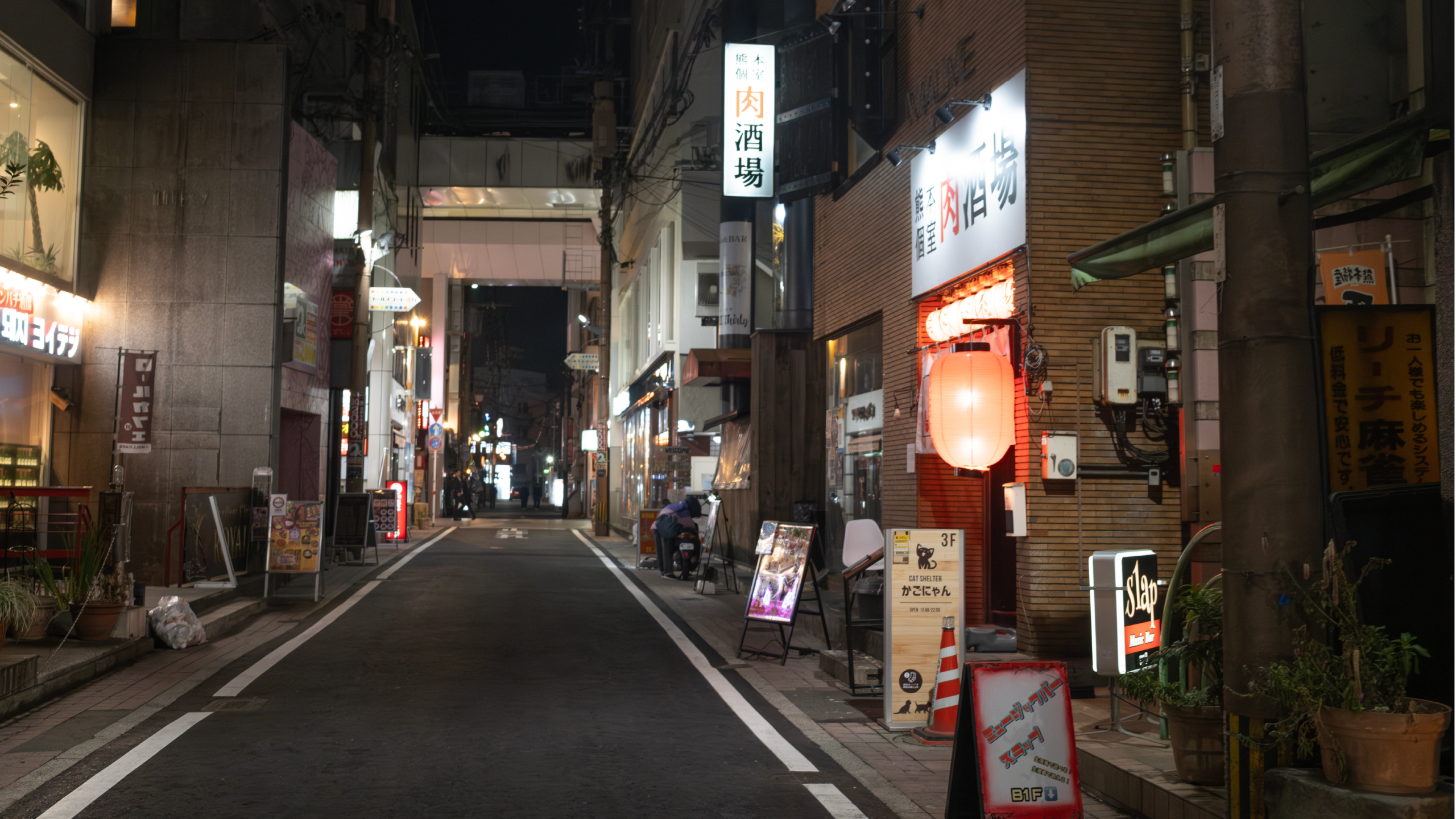
A recently published article about has caused a stir in the Not For Sale community (see the link below). This response to stories like hers reveal just how quickly exploitation patterns in Asia are changing.
As The Japan Times reported, the girl had been coerced into providing sexual services inside a private-room massage parlor before she managed to flee to the Tokyo Regional Immigration Bureau. Her escape led to arrests, including that of her own mother, who allegedly trafficked her into Japan.
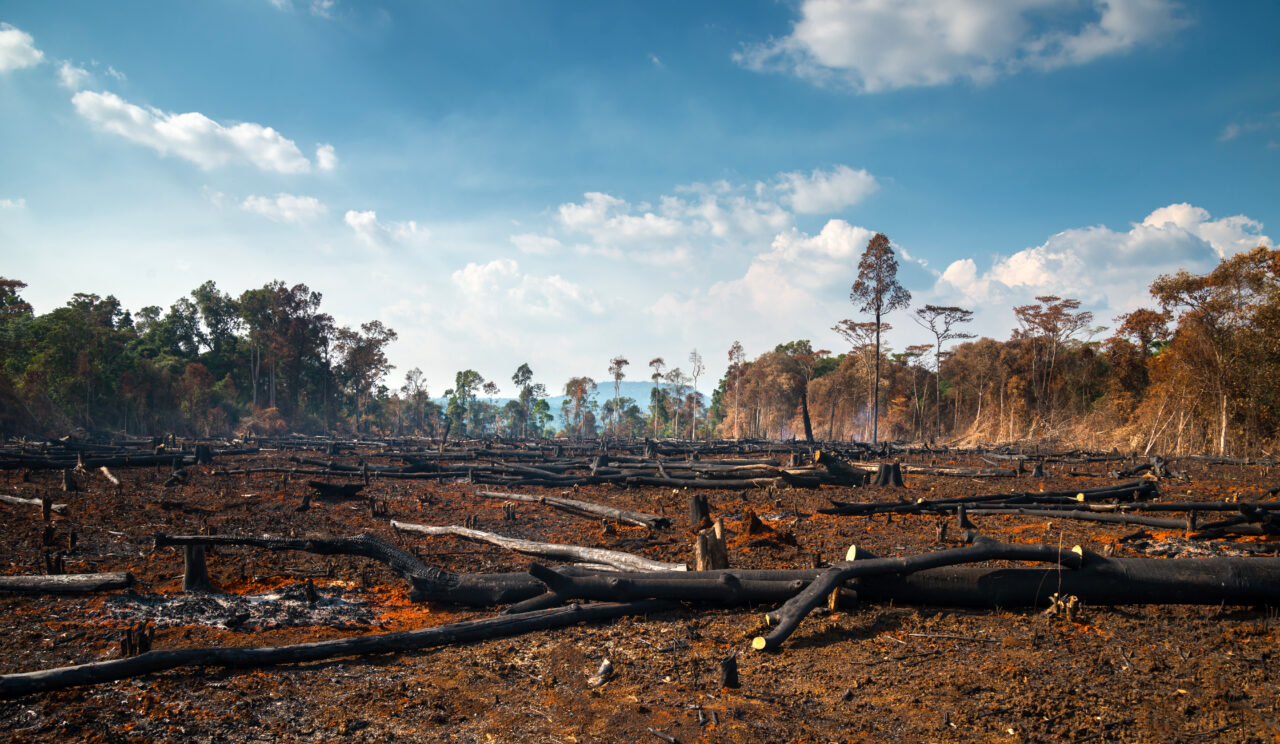
While the case shocked many across Japan, it also underscored a deeper truth we confront in our work every day: the rise of ecocide in Southeast Asia, in particular in lawless “Gray Zones” which is leading to a spike in vulnerability in rural farm-dependent communities.
Why Trafficking Is Rising: Ecocide & Exploitation Nexus
What we see in Japan connects directly to what we see in Thailand and the wider Mekong region – Myanmar & Laos:
Environmental destruction increases vulnerability to trafficking.
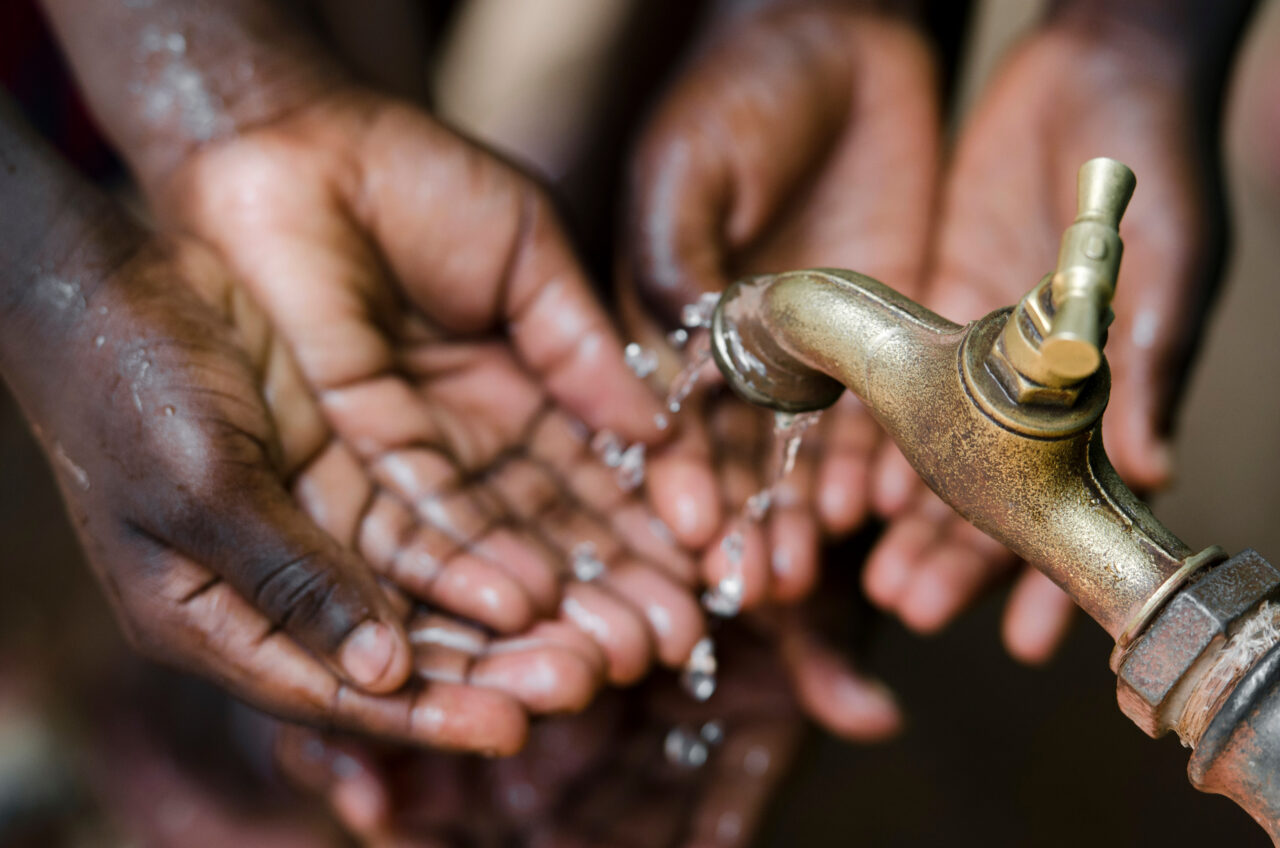
Illegal rare earth mining in Myanmar and Laos is destroying river systems flowing into Northern Thailand. As farms collapse, families migrate. Traffickers intercept them with false job offers, sometimes sending them to cyber-scam compounds, and sometimes funneling minors into sex trafficking routes toward major cities like Bangkok and Tokyo.
According to The Japan Times, the exploitation of the Japanese visa system further exasperated the situation:
“International pressure to act on human trafficking led Japan to make efforts to crack down on the crime, such as a tightening of conditions in 2005 for entertainer visas — which until then was often used by syndicates to traffic victims into the country.
“But the move led human traffickers to pivot to marriage visas — on paper, the trafficked women were married to Japanese men. ‘People who want to take advantage continue to come up with various ways to get around (the law),’ said [Not For Sale Japan Director, Mariko] Yamaoka, who noted that other types of visas, such as student visas, are also used in some cases.”
This is why Not For Sale operates through a People-Planet-Social Innovation model:
- People:We support survivors and conduct prevention work in at-risk communities.
- Planet:We fight ecocide that drives people toward exploitation.
- Social Innovation:We build ethical economic and environmental alternatives that reduce vulnerability.
From the Peruvian Amazon to Amsterdam to Chiang Saen, Thailand the principle is the same: you cannot end human trafficking unless you reduce the economic and environmental vulnerability that fuels it.
Where We Go From Here: Building Systems That Protect Children Before They Run for Help
The bravery of a 12-year-old girl should not be the reason a trafficking ring is uncovered.
We need systems that find – and protect – children. This needs to be long before desperation forces them to flee into government buildings on their own.
Not For Sale’s priorities for 2025-2026 include:
Building the new Girls’ Dorm in Northern Thailand at Not For Sale Thailand
A safe, long-term home for the children most targeted by traffickers who prey on poverty and migration.
Expanding survivor-led reporting networks across Southeast Asia
Better access to safe, multilingual reporting pathways so victims aren’t forced to navigate authorities alone.
Strengthening intelligence and knowledge sharing
Because trafficking doesn’t start in Tokyo — it starts in border communities across Thailand, Laos, and Myanmar.
Advocacy for legal and policy reform in Japan
Closing visa loopholes, strengthening child-protection systems, and increasing oversight of high-risk labor programs.
Investing in prevention through economic and environmental opportunity
Following our REBBL, AFIMAD, and Dignita models, we are exploring the expansion of dignity-driven enterprises in the Mekong region.
A Story of Courage And a Call to Action
The young survivor who ran into the Tokyo Immigration Bureau showed extraordinary courage.
Our job – our responsibility – is to ensure she is the exception, not the blueprint.
Not For Sale is committed to building a world where:
- Children are safe in their home countries.
- Families are not forced into dangerous migration.
- Survivors become leaders, not victims.
- Systems change, not just stories.
- Trafficking is not just opposed, it is out-created.
How You Can Help Fight What’s Fueling Trafficking’s Rise Into Japan
If you want to support Not For Sale’s work in Japan, Thailand, and across the Mekong region:
- Donate to the Girls’ Dorm project project in Thailand.
- Share this article to raise awareness
- Subscribe to our global updates.
- team@wearenotforsale.org
Every step you take helps create a future where exploitation has no place to thrive.
Your support helps create futures of freedom, dignity, and opportunity.
Published by NOT FOR SALE November 28, 2025


Sign Up to our Newsletter
Join our movement and get the latest updates, stories, and ways to take action, straight to your inbox.