

What Are Gray Zones? Inside the Lawless Enclaves Driving Human Trafficking and Ecocide Across Southeast Asia
2.7 MIN READ
For nearly twenty years, our Thailand Director Kru Nam has used one phrase to describe the most dangerous places for children on the Thailand-Laos-Myanmar borders: “Gray Zones.”
The term is simple, yet brutally accurate.
Gray Zones are areas of total lawlessness. These zones that appear to be legitimate economic developments or “special economic zones” on paper but in reality are controlled by criminal syndicates. These enclaves function as sovereign fiefdoms inside sovereign countries: places where local police cannot enter, national laws do not apply, and traffickers, mafia networks, and foreign investors operate with complete impunity.
Across Southeast Asia and, particularly Laos, Myanmar, and Cambodia, Gray Zones have become the new epicenter of human trafficking, forced labor, cyber-scam slavery, illegal mining, wildlife trafficking, and environmental destruction.
This article explains what Gray Zones are, why they exist, and how criminal figures like Zhao Wei have been able to acquire territory and build them into multinational trafficking hubs — and why Not For Sale is working throughout the region to protect children and communities from their reach.
What Is a Gray Zone?
“Areas where the rule of law does not exist — run by organized crime, protected by corruption, and designed to exploit the vulnerable.” – Kru Nam, Director of Not For Sale Thailand
Gray Zones typically share five traits:
- They are physically inside a country but politically outside it.
Local police have no jurisdiction. Criminal groups control security, visas, immigration, and movement. (Perversely, the criminal leaders are even given awards for creating “security” along the border.)
- They are built to look legitimate.
On paper, they are “Special Economic Zones,” casinos, resorts, ports, or business parks. In reality, however, they are crime complexes.
- They exist because governments or officials are paid to look the other way.
Corruption is not a byproduct – it is the business model.
- They host entire economies of exploitation.
Trafficking, forced labor, cyber-scam factories, illegal mining, sex trafficking, and organ trade thrive in these zones.
- They pull vulnerable people across borders.
Thai, Lao, Burmese, Cambodian, Vietnamese — and even South Korean and Japanese citizens — victims are coerced, deceived, or sold into these compounds.
The Golden Triangle: The World’s Largest Gray Zone Corridor
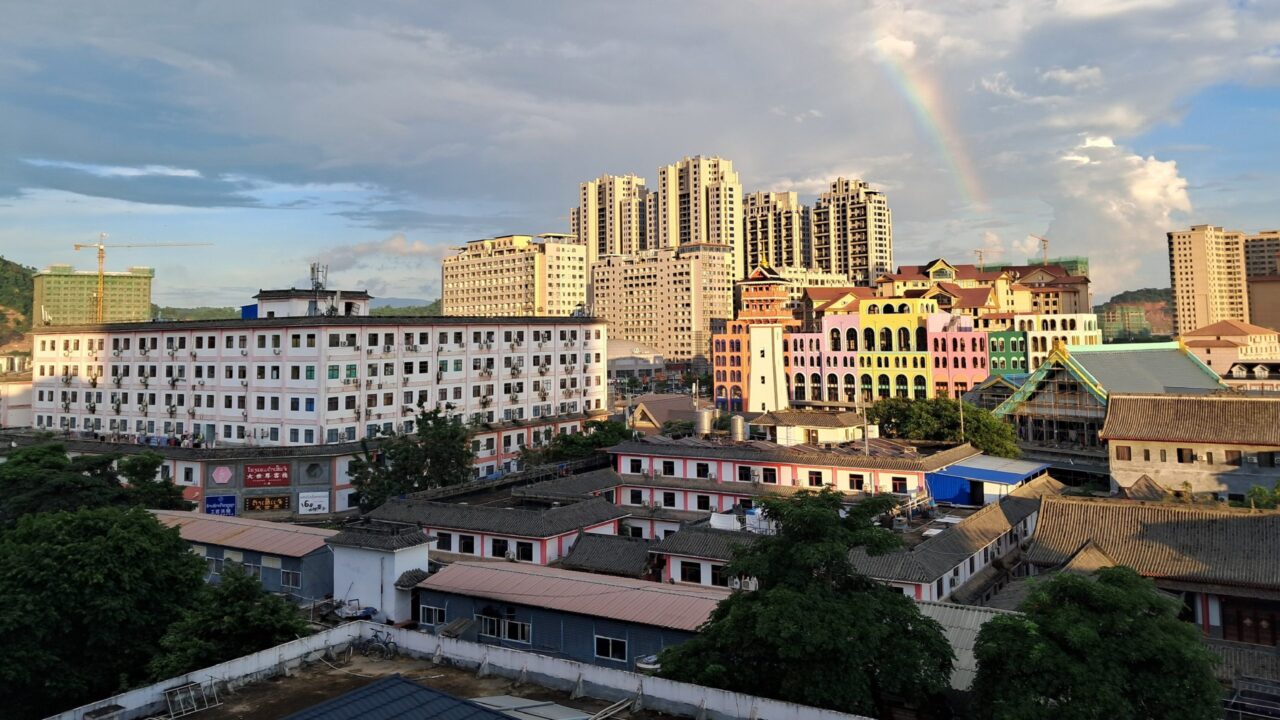
[Image] Lao’s “Golden Triangle Special Economic Zone (GTSEZ)“, one of the world’s most notorious Gray Zones is just minutes from Not For Sale Thailand headquarters. It is believed to generate nearly $45 billion a year in illicit gains.
The Laos-Myanmar-Thailand border, where we have worked for nearly 20 years, is a global hub for organized crime – an ecosystem generating $100s of billions in profits through:
- Cyber-scam forced labor (tens of thousands enslaved)
- Sex trafficking & commercial sexual exploitation
- Child trafficking for brothels and domestic servitude
- Forced criminality (phone scams, crypto fraud, financial scams)
- Illegal gold & rare-earth mining (Myanmar & Laos)
- Wildlife trafficking (tiger, pangolin, elephant ivory)
- Drug trafficking (methamphetamine, heroin)
- Organ trafficking
- Casino-based money laundering
- Debt bondage & forced labor
These crimes are interlinked – where one occurs, the others almost always follow.
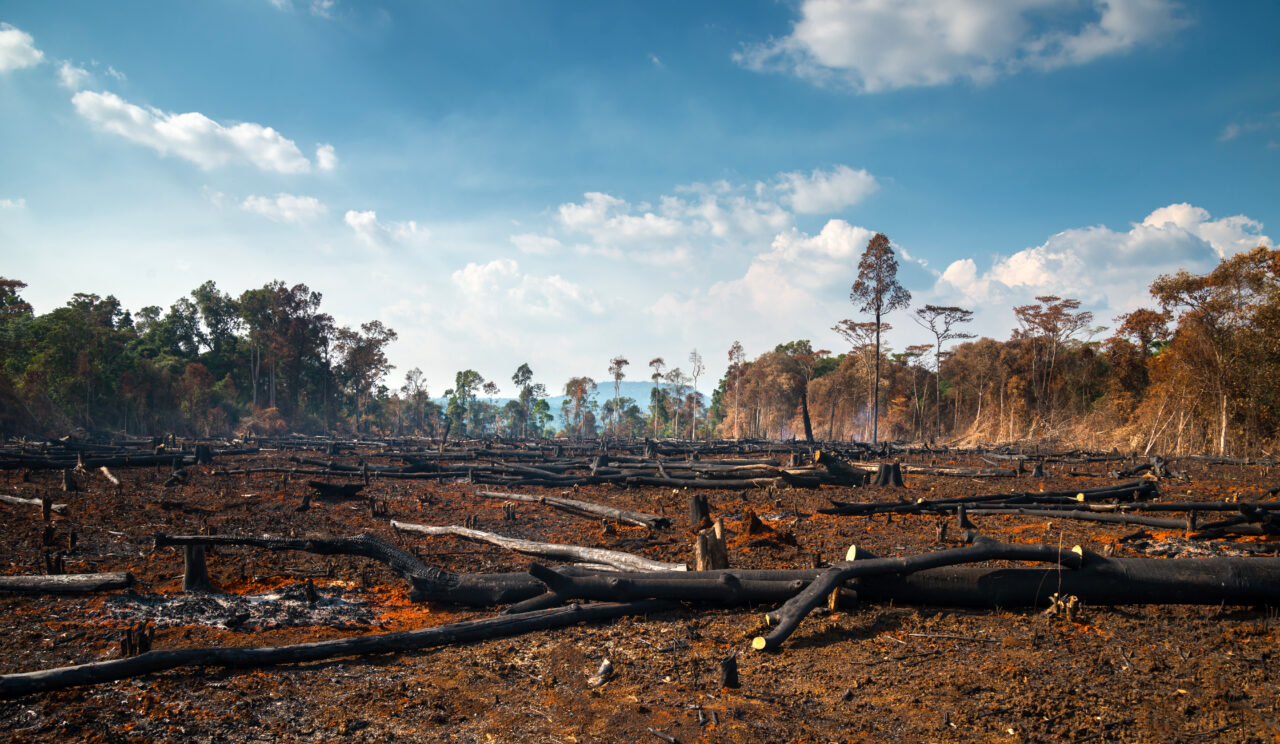
This is the core of Not For Sale’s analysis: environmental destruction (ecocide) and human trafficking reinforce each other.
For more about Gray Zone’s read out Case Study on the The Golden Triangle Special Economic Zone & Zhao Wei.
Published by NOT FOR SALE November 25, 2025


Sign Up to our Newsletter
Join our movement and get the latest updates, stories, and ways to take action, straight to your inbox.