What we know. What we’re finding.
Latest News
Not For Sale publishes original reporting, field investigations, and frontline stories from the intersection of modern-day slavery, ecocide, and social innovation. Our coverage draws on nearly two decades of on-the-ground presence across six continents, documenting what is happening, who is affected, and what is being built in response.

Human Trafficking
Human Trafficking Charities: How to Choose an Organization Worth Supporting
Choosing among human trafficking charities is not as simple as finding the organization with the most dramatic stories or the lowest advertised…
Human Trafficking
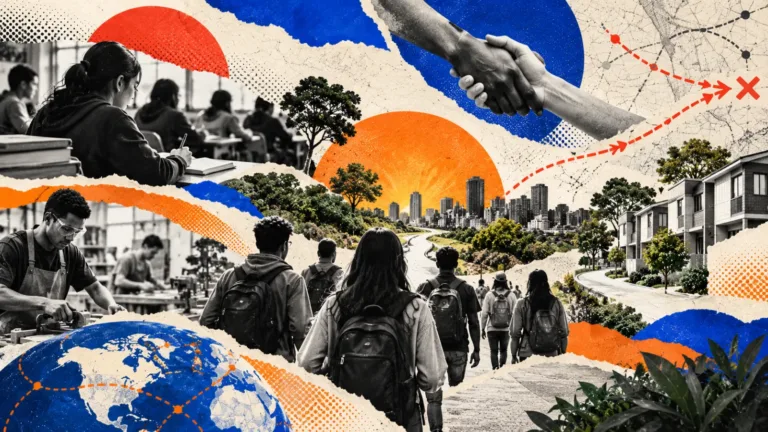
How to Stop Human Trafficking: What Actually Works and What You Can Do
People searching for how to stop human trafficking usually want an answer they can act on. The problem is that trafficking is…

Ecocide
Kenya’s $160 Million Conservation Deal Offers a Different Answer to the Nature Funding Crisis
The Thamani Asili initiative aims to secure long-term support for important Kenyan landscapes through a partnership between government and donors. Its success will depend on funding durability, community rights and measurable conservation outcomes.
Ecocide
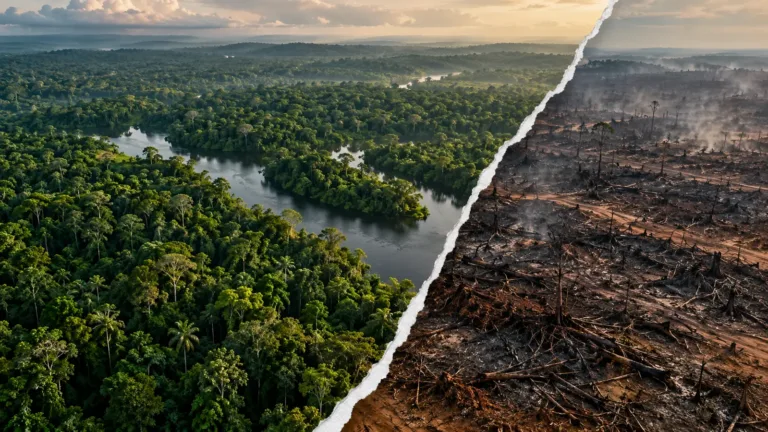
Brazil’s Election Is Over. The Fight Over the Amazon Is Not.
The reelection of President Luiz Inácio Lula da Silva has been welcomed by many environmental and Indigenous advocates. But protecting the Amazon requires more than a presidential mandate, and the pressures driving deforestation remain powerful.

Human Trafficking
Filipinos Returned From Cambodia Scam Compounds. The Trafficking System Remains.
Reports of the return of 30 overseas Filipino workers and an arrest connected to their alleged recruitment reveal how criminal scam operations can depend on coercing the people ordered to carry out fraud.

Human Trafficking
Europol’s Online Trafficking Hackathon Identified 51 Potential Victims. What Happens After the Search?
Investigators from 20 countries examined digital traces of suspected exploitation in a joint exercise. Their findings show how the internet can expose trafficking networks, but identification is only the first and often the most fragile step.

Ecocide
The $500 Billion Biodiversity Problem: Why COP17 Is Targeting Harmful Subsidies
At the UN biodiversity conference in Armenia, governments are turning attention to public spending that can reward damage to nature. The challenge is not simply finding money for conservation, but changing where existing money goes.
Ecocide
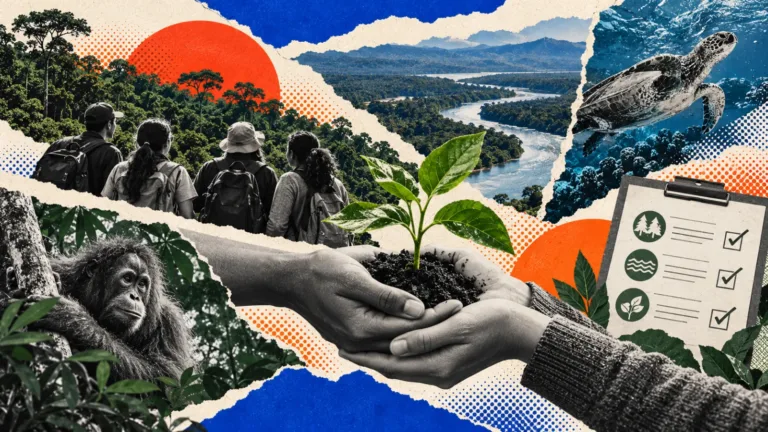
Environmental Charities: How to Choose Where Your Donation Can Make a Difference
Environmental charities work on problems that are linked by the health of the planet but are not interchangeable. Protecting a rainforest, challenging…
Human Trafficking
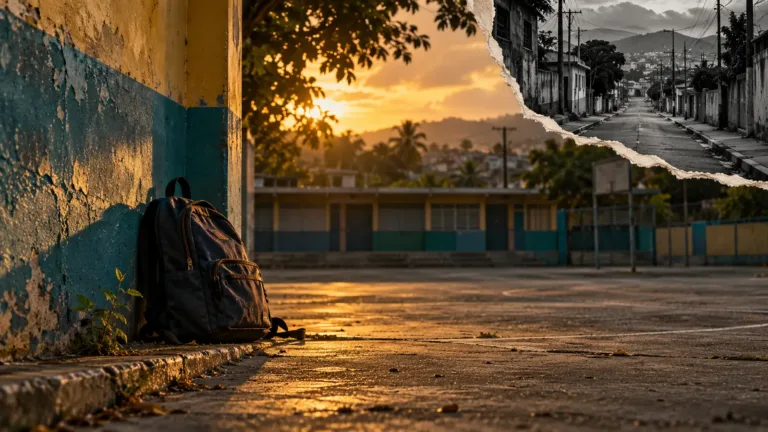
Children Drawn Into Gangs May Also Be Trafficking Victims. Jamaica’s Data Gap Matters.
New reporting in Jamaica reveals a gap in how child-protection data distinguish trafficking into criminal activity from other concerns. Recognizing coercion without treating every child involved in a gang as trafficked is essential to protecting children and building credible evidence.
Human Trafficking
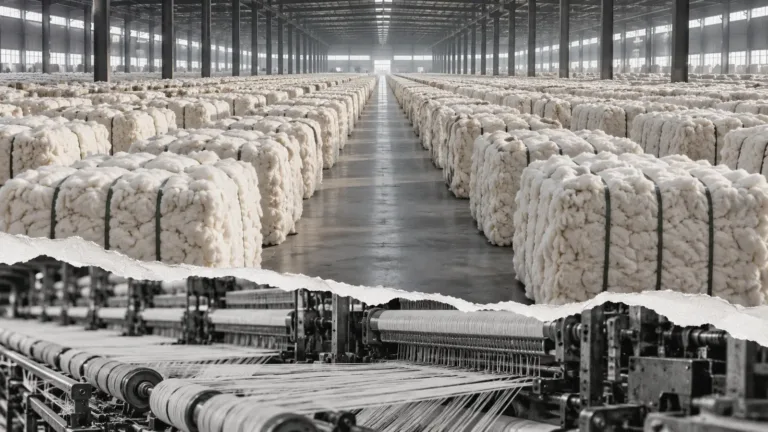
Xinjiang’s Economic Expansion Revives a Difficult Question About Forced Labor and Global Trade
New reporting describes rising investment, tourism and trade in China's Xinjiang region despite unresolved human rights concerns. Economic growth and allegations of coercion must be examined together, without assuming every business or worker is implicated.
Human Trafficking
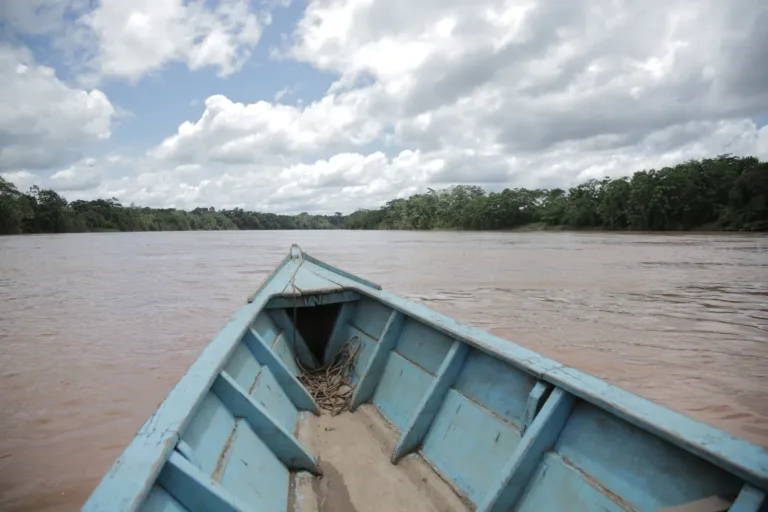
We went looking for slavery. It led us to the forest.
Not For Sale was built to fight human trafficking, one person at a time. Two decades of following the work upstream taught us something we did not expect to find, and can no longer ignore: you cannot end modern-day slavery without confronting ecocide, because one business model clears the forest and traps the person who clears it.

Human Trafficking
When children forced to carry drugs are treated as offenders
A review of modern slavery cases in England and Wales urges police and prosecutors to look earlier for signs that a child suspected of a drug offence may have been exploited.