
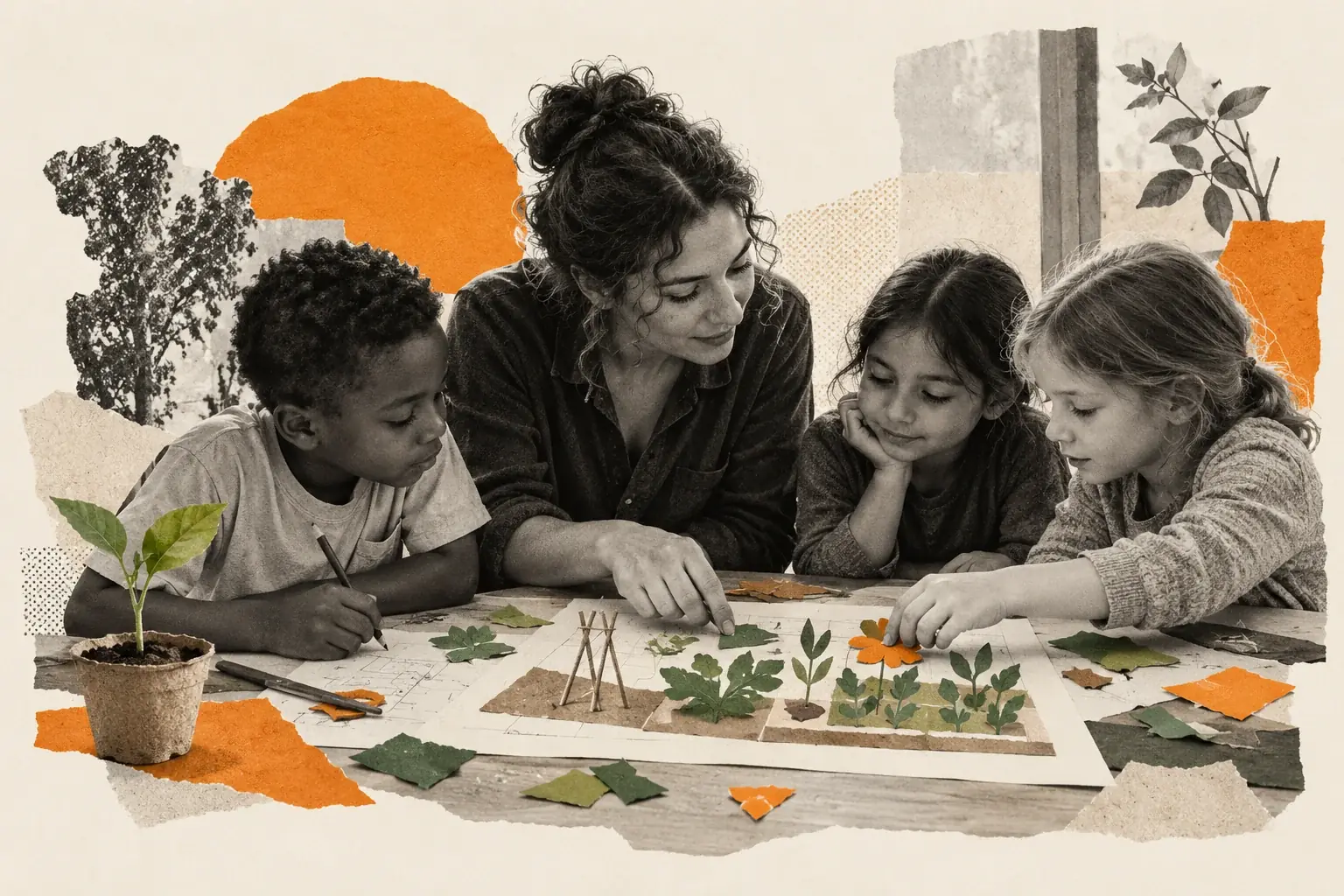
Make the activity accessible to every child
A class should be able to take part without bringing a donation, buying an item or revealing anything about household finances. If a collection is offered, make it one option among others. Students can help discuss the need, prepare an explanation or reflect on the activity without supplying goods themselves.
Avoid ranking children by donations or presenting a family’s contribution as evidence of its values. The activity should build understanding of other people’s circumstances, including the possibility that a classmate’s family needs support rather than being able to offer it.
Adapt the question to the age group
| Group | A useful emphasis | Adult preparation |
|---|---|---|
| Younger children | Kindness, listening and practical help | Choose a familiar, non-distressing example |
| Middle years | How to identify a need and plan a response | Confirm the recipient and supervise decisions |
| Older students | Evidence, fairness and the consequences of choices | Review sources and discuss what remains uncertain |
| Mixed-age family | One shared action with different roles | Keep responsibility with an adult |
These are starting points, not rigid age rules. A teacher should consider the particular group, including experiences students may not have disclosed. Material suitable for an adult issue guide is not automatically suitable for a classroom.
A complete forty-minute session
First five minutes: discuss what people can give. Ask students to suggest things other than money. They might mention time, help with a task, listening or sharing a skill. Invite examples without asking anyone to describe their family’s finances or private difficulties.
Next ten minutes: examine a need. Present one ordinary scenario: a school garden needs ongoing care, a local organization has requested particular supplies or a community event needs supervised help. Ask what is known and what still needs to be checked. The important habit is to distinguish an assumption from a request.
Next ten minutes: compare possible responses. Put two or three options on the board. Discuss who would benefit, what preparation each requires and whether every student could participate. If the group prefers an action that is not feasible, explain why and invite a smaller version.
Next ten minutes: make the plan together. Agree the action, which adult will obtain permission, what the students will do and how the class will know it has finished. Record the plan on the board or in the class’s usual system. No additional worksheet is needed.
Final five minutes: agree the follow-up. Ask what the class will discuss afterward. Useful questions include whether the recipient found the contribution helpful, what was difficult and what students would change. Reflection should consider the usefulness of the action, not just how generous participants felt.
Activity one listening before helping
Ask students to imagine that a local group needs help preparing an event. Give them three possible offers: bringing unrequested equipment, arriving without a task, or asking the organizer what is needed. Discuss why an offer can be well intended but still create work.
If there is a real school-approved recipient, an adult can ask it for a suitable need and bring the response back to class. Students then compare their initial ideas with what was actually requested. This makes listening part of generosity rather than treating the recipient as a passive destination for the class’s plan.
Activity two caring for a place over time
Choose an existing space for which the school has responsibility, such as a planting area or a shared room. Ask what care it needs and who normally provides it. With the appropriate adult’s agreement, assign a small activity that students can complete safely.
Include maintenance in the discussion. What happens next week? Who will look after the place during a break? This introduces a useful distinction between a one-day event and the continuing responsibility that makes the event worthwhile. Do not organize planting or habitat work without suitable guidance about the site.
Activity three examining a claim
For older students, use a neutral example of a charity statement: “We supported 500 people last year.” Ask what further information would help interpret it. Does “supported” mean a single conversation or an ongoing service? Does the figure count unique people? Which year does it describe?
The purpose is not to teach distrust of charities. It is to show how a claim becomes more meaningful when its terms are clear. Students can apply the same questions to an environmental statement or a fundraising result. The donation guide provides a fuller explanation for adults preparing the discussion.
Talking about human trafficking responsibly
For younger children, begin with safety, dignity and the idea that everyone should have choices about their lives. There is no need to introduce graphic accounts of exploitation to make generosity meaningful. Adults can use the human trafficking guide as background and decide what, if anything, belongs in the lesson.
For older students, discuss definitions and systems rather than asking them to imagine themselves in a survivor’s experience. A suitable question could concern how a job offer is checked, why worker protections matter or how misleading information affects a decision. Do not ask students to disclose abuse, investigate people they know or identify classmates as vulnerable.
If a concern arises, follow the institution’s safeguarding procedure. A classroom activity should not become an improvised reporting or counseling process.
A family conversation without a fundraising target
At home, invite each person to suggest a need or cause. Let children ask questions and disagree with the adults’ first choice. Discuss what the household can offer, including time and attention, and select one manageable action.
Keep money decisions with the responsible adult. If the family chooses a charity, show children how you learn what it does and find the official website. The point is to model a thoughtful decision, not to ask a child to manage payment information or create a fundraising account.
Afterward, return to the action. What did the recipient need? What did we contribute? Would we do it again? A family can have that conversation privately without turning a child’s participation into social content.
A note for parents and caregivers
“Our class is taking part in Giving Tuesday through [activity]. Students will discuss a need and plan a supervised response. Every child can participate without bringing money or goods. [Adult or team] will supervise the activity on [date]. Please contact [school contact] with questions or permission needs.”
Adapt the message only after the arrangements are approved. If photographs, visits or public sharing are involved, explain the relevant permissions separately rather than assuming participation provides consent for everything.
Where Not For Sale fits
Our mission can open a conversation about the relationship between people’s choices and the conditions around them. For children, that may begin with respect and care for the places people depend on. For older students and adults, it can develop into an examination of exploitation, livelihoods and environmental damage.
Families who want to give can read why support Not For Sale. The classroom activity should remain worthwhile for those who do not donate.