

Amazon Rainforest: Forced Labor, Mining and Deforestation
4.4 MIN READ
The Amazon Rainforest: Beauty, Destruction, and the Fight for Human Rights
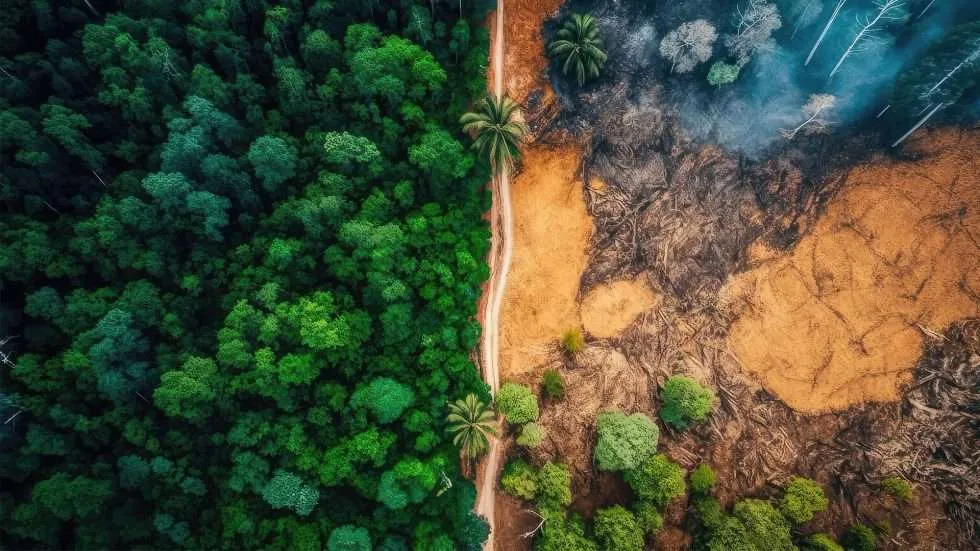
Often called the “lungs of our planet,” the Amazon rainforest generates around 20% of the world’s oxygen and is home to an estimated 10% of all known species. However, beyond its breathtaking biodiversity lies a disturbing truth—forced labor is driving illegal mining and rampant deforestation, causing irreversible harm to both ecosystems and human lives. This escalating crisis demands urgent action—not only from environmentalists but from everyone who values human dignity and sustainability.
As Earth Day approaches, Not For Sale is amplifying the conversation around the devastating intersection of modern slavery, environmental destruction, and unsustainable mining in Brazil’s Amazon. Through our initiatives, we stand with the most vulnerable—indigenous communities, exploited laborers, and displaced families—while challenging the powerful industries profiting from this exploitation.
A Crisis of Exploitation in the Heart of the Amazon
Illegal gold mining has surged across the Amazon in recent years, fueled by soaring gold prices and weak enforcement of environmental regulations. These operations, often run by organized criminal networks, exploit vulnerable individuals—especially indigenous peoples and migrants—through coercion, manipulation, and debt bondage.
Brazil’s Ministry of Labor reports that thousands of workers are trapped in conditions that meet the UN’s definition of modern slavery. Recruited under false promises of fair pay, many are transported deep into the jungle, stripped of their documents, and forced to work under armed surveillance with no real freedom to leave.
Moreover, the environmental impact is catastrophic. Mercury used in gold extraction leaches into rivers, poisoning aquatic life and endangering communities that rely on fishing for survival. Entire tracts of forest are destroyed to make room for mining pits, accelerating climate change and erasing irreplaceable biodiversity.
Deforestation and Timber Trafficking: The Human Cost of Wood
In parallel, the illegal timber trade has become another major driver of both deforestation and forced labor in the Amazon. In some regions, illegal logging accounts for up to 90% of deforestation. Corrupt officials often back these operations, allowing loggers to invade indigenous territories and exploit workers under brutal conditions.
These laborers frequently endure extreme heat, long hours, and exposure to toxic chemicals. Many are misled with promises of decent wages, only to discover that those wages never arrive. In the worst cases, workers are physically restrained to prevent escape.
Meanwhile, the loss of the rainforest means the loss of vital carbon sinks and the displacement of indigenous communities who have protected these lands for generations. The destruction ripples outward—undermining global climate efforts while inflicting lasting trauma on entire populations.
Indigenous Communities Under Threat
Among the most deeply affected are the Amazon’s indigenous peoples. Criminal groups regularly invade protected lands, displacing entire communities and destroying livelihoods in pursuit of profit. In many cases, they use violence or threats to silence resistance, and even target community leaders for assassination.
According to Human Rights Watch, illegal deforestation in indigenous territories directly correlates with rising threats against environmental defenders and indigenous activists. As forests disappear, so do the safety and cultural heritage of those who have lived in harmony with the Amazon for centuries.
These communities are often forced to flee, becoming more vulnerable to further exploitation—including human trafficking and forced labor.
How Not For Sale is Taking Action
At Not For Sale, we are dedicated to breaking the systems that allow forced labor and environmental degradation to persist. Our three-pillar approach focuses on prevention, protection, and systemic change.
1. Sustainable Economic Alternatives
We partner with indigenous and local communities to create livelihoods that do not depend on deforestation or mining. From regenerative agriculture to eco-tourism, we help develop economic opportunities that promote sustainability and independence.
Brazil Nut Case Study
One shining example is our collaboration on sustainable Brazil nut harvesting. This project not only preserves the rainforest but provides a reliable income for local communities—demonstrating how nature and people can thrive together. Watch here to learn more about our work with Rebbl.
2. Rescue and Rehabilitation
Alongside local organizations, we identify victims of forced labor, providing safe housing, medical care, and legal aid. Survivors also receive vocational training and psychosocial support to rebuild their lives with dignity.
3. Advocacy and Legal Action
To address the root causes, we work with lawmakers, NGOs, and human rights advocates to strengthen labor protections, environmental policies, and corporate accountability. By shining a light on companies that benefit from forced labor, we push for responsible practices and systemic reform.
A Future Where People and the Planet Are Not For Sale
The destruction of the Amazon and the exploitation of its people are not separate crises—they are deeply intertwined. Addressing one requires tackling the other. As Earth Day reminds us, environmental protection and human rights must go hand in hand.
At Not For Sale, we envision a world where the Amazon flourishes, indigenous communities live in peace, and no one is forced into labor. But we can’t do it alone. Join us in this fight—because a future worth living in must be one where neither people nor the planet are for sale.
Sources:
- Human Rights Watch: Amazon Deforestation and Violence
- Environmental and Human Rights Reports on Illegal Mining
- UN Human Rights and Forced Labor
To learn more about Not For Sale’s Peru projects, click here.
Published on April 3, 2025

Sign Up to our Newsletter
Join our movement and get the latest updates, stories, and ways to take action, straight to your inbox.