


The First Outbreak of the Post-USAID Era
15.9 MIN READ
Ebola in the DRC, Cobalt Mining, and the Communities Left to Survive Alone
The 2026 DRC Ebola outbreak — now a WHO Public Health Emergency of International Concern — was predicted in a leaked government memo fourteen months before it began. The systems that could have stopped it were defunded on a schedule. And the communities being asked to survive it were already on their own.
Published June 13, 2026 | Mark Wexler, Co-Founder & CEO
Table of Contents
- A Memo Nobody Acted On
- Did USAID Cuts Cause the 2026 Ebola Outbreak in DRC?
- Why Does Ebola Keep Returning to Eastern DRC?
- What Happens When Global Health Funding Disappears
- The Two Investments That Could Have Prevented This Outbreak
- Who Is Paying the Price?
- What Actual Ebola Prevention Looks Like
- Frequently Asked Questions
- Sources and Further Reading
A Memo Nobody Acted On
The Ebola outbreak DRC 2026 was predicted in writing, fourteen months before it began. On March 3, 2025, a USAID official named Nicholas Enrich wrote a memo estimating that funding cuts could produce a “worst case scenario” of more than 28,000 cases over a single year.
Fourteen months later, the World Health Organization declared the current Ebola outbreak in the Democratic Republic of Congo and Uganda a Public Health Emergency of International Concern. As of June 9, 2026, the outbreak has produced more than 635 confirmed cases and at least 127 confirmed deaths across DRC and Uganda, with the toll rising daily. It is being described by infectious disease experts as one of the most rapidly escalating Ebola outbreaks in the virus’s recorded history. It is caused by the Bundibugyo strain — for which there is no approved vaccine and no approved treatment.
906 suspected cases. 220 suspected deaths. No approved vaccine. This is the first major Ebola outbreak of the post-USAID era.
This is the first major Ebola outbreak of the post-USAID era.
Did USAID Cuts Cause the 2026 Ebola Outbreak in DRC?
The connection between the defunding and the outbreak is not speculative. It is documented, specific, and brutal in its sequence.
US government funding for health surveillance and outbreak preparedness in eastern DRC — including in Ituri Province, the current epicenter — ended in March 2025. USAID was officially closed on July 1, 2025. Roughly 80 percent of its global health awards were terminated. An estimated $12.7 billion in committed global health funding was pulled. US assistance to Africa fell to its lowest level in a decade.
By mid-2025: 70% of health facilities in North Kivu were non-functional. 85% of clinics in conflict-affected eastern DRC reported severe medicine shortages.
Almost everyone on the USAID team that had worked the previous DRC Ebola outbreak — which ended in December 2025, just five months before this one began — had been fired.
When the index cases of the current outbreak were identified, US officials were not informed for days. The reason was logistical in the most literal sense: USAID had routinely helped transport viral samples from remote areas like Ituri to central labs for testing. That capacity was gone. “There was a time, particularly in remote areas of Ituri, where we were trying to get samples down to the Goma lab,” said Ana Bodipo-Mbuyamba, USAID’s former health office director in DRC. “We were able to use some of our funding to get a plane to move some of those samples.” No plane. No samples. No warning.
Dr. Anne Ancia, the WHO team head in DRC, noted in May 2026 that USAID and the Africa Centers for Disease Control and Prevention were simply “not on the ground.” Dr. Alain Casséus of Partners in Health was more direct: “This is the first major filovirus outbreak since the United States dismantled the foreign assistance architecture that scaffolded every DRC Ebola response since 2014.”
Why Does Ebola Keep Returning to Eastern DRC?
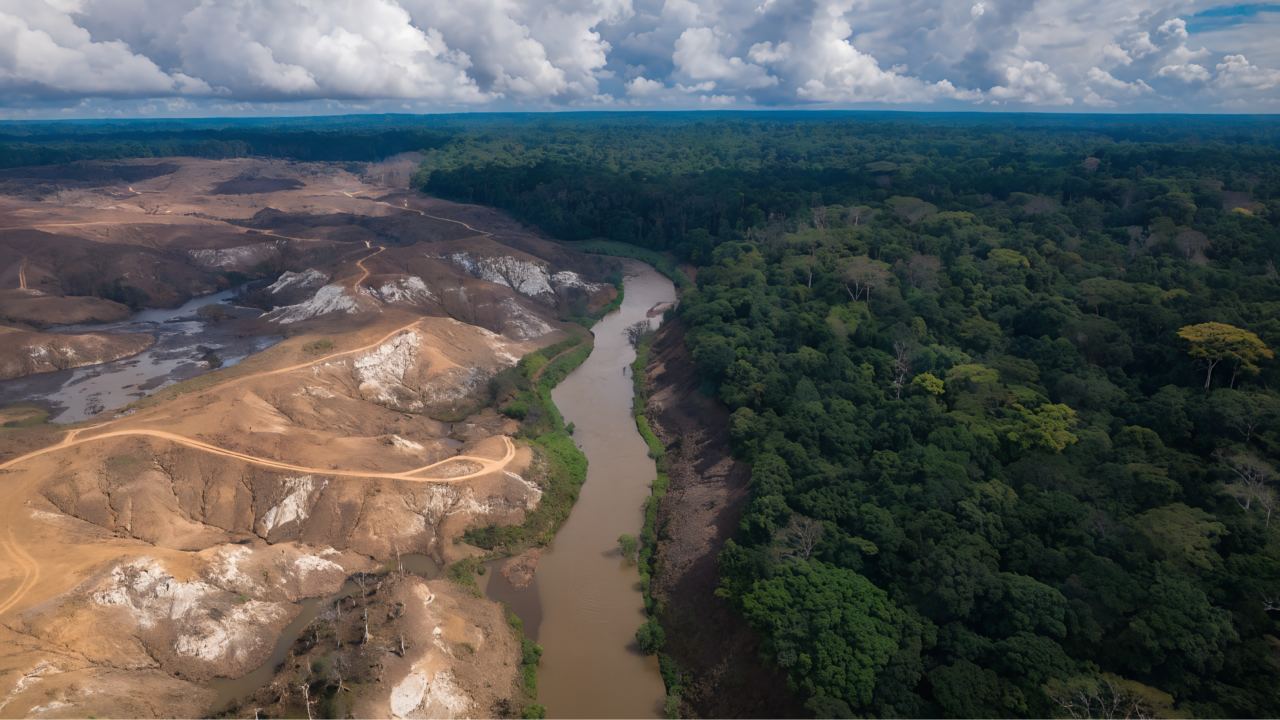
Ebola does not re-emerge in eastern DRC randomly. It returns to the same places, for the same structural reasons: mining-driven displacement, deforestation, and absent economic alternatives.
But the story does not begin with USAID. It begins further back, in the forests and mining camps and refugee corridors of eastern Congo, where the conditions for this outbreak were assembled over years, piece by piece, long before the first confirmed case.
A few years ago, Not For Sale co-founder Mark Wexler was sitting in a remote community in Rwanda with his longtime colleague David Mwambari. The green rolling hills of the countryside were interrupted by a massive settlement on an adjacent hilltop — more than 15,000 people in a place that had been empty not long before.
Wexler asked what it was.
“That, Mark, is your EV revolution,” Mwambari said. “The need for precious metals for electric vehicles is driving chaos and war next door in the DRC.”
The people on that hilltop had fled the neighboring mineral violence.
This is the terrain where Ebola re-emerges. Not randomly. Repeatedly. In the same places. For the same reasons.
The current outbreak is unfolding in areas characterized by insecurity, population displacement, mining-related population movement, and frequent cross-border travel — conditions that researchers studying Ebola’s ecology have documented as accelerants of transmission for decades. The eastern DRC is simultaneously the world’s primary source of cobalt for the clean energy transition and one of its most consistently destabilized regions. Those two facts are not unrelated. The same extraction economy that drives global demand for critical minerals also drives the displacement, informal labor, deforestation, and institutional collapse that make communities vulnerable when a virus arrives.
Not For Sale published a detailed examination of these dynamics earlier this week in What Ebola Outbreaks Reveal About Mining, Ecological Disruption and Human Vulnerability. The argument it made has been grimly confirmed by events since: disease emergence is not a random act of biology. It is a downstream consequence of upstream decisions about how land is used, who holds economic power, and which communities receive institutional protection.
What Happens When Global Health Funding Disappears
When health funding disappears, it does not disappear evenly. It disappears fastest in the places that needed it most — border communities, refugee settlements, and mining corridors in eastern DRC.
TK runs Not For Sale Uganda’s operations at Kyangwali Refugee Camp, where the majority of residents have fled forced labor and conflict in the neighboring DRC mining industry. When we spoke recently, he described the humanitarian funding collapse with the measured cadence of someone navigating a slow-motion disaster.
“We have never been hit by any crisis like this before,” he said. “More than COVID. During COVID, yes, we were not allowed to move. But resources were flowing.”
The DRC was the African country most affected by USAID funding cuts, and the third most impacted globally. But the collapse did not stay in Kinshasa or Goma. It radiated outward to every organization operating in the region’s refugee settlements and border communities. Alight, formerly the American Refugee Committee, closed its Kyangwali operations. Save the Children, World Vision, World Child Canada, World Child Holland, Finn Church Aid, and Medical Team International either shut down programs entirely or reduced to skeleton staff with no activities.
“If they have not closed completely,” TK said, “they scaled down to two employees.”
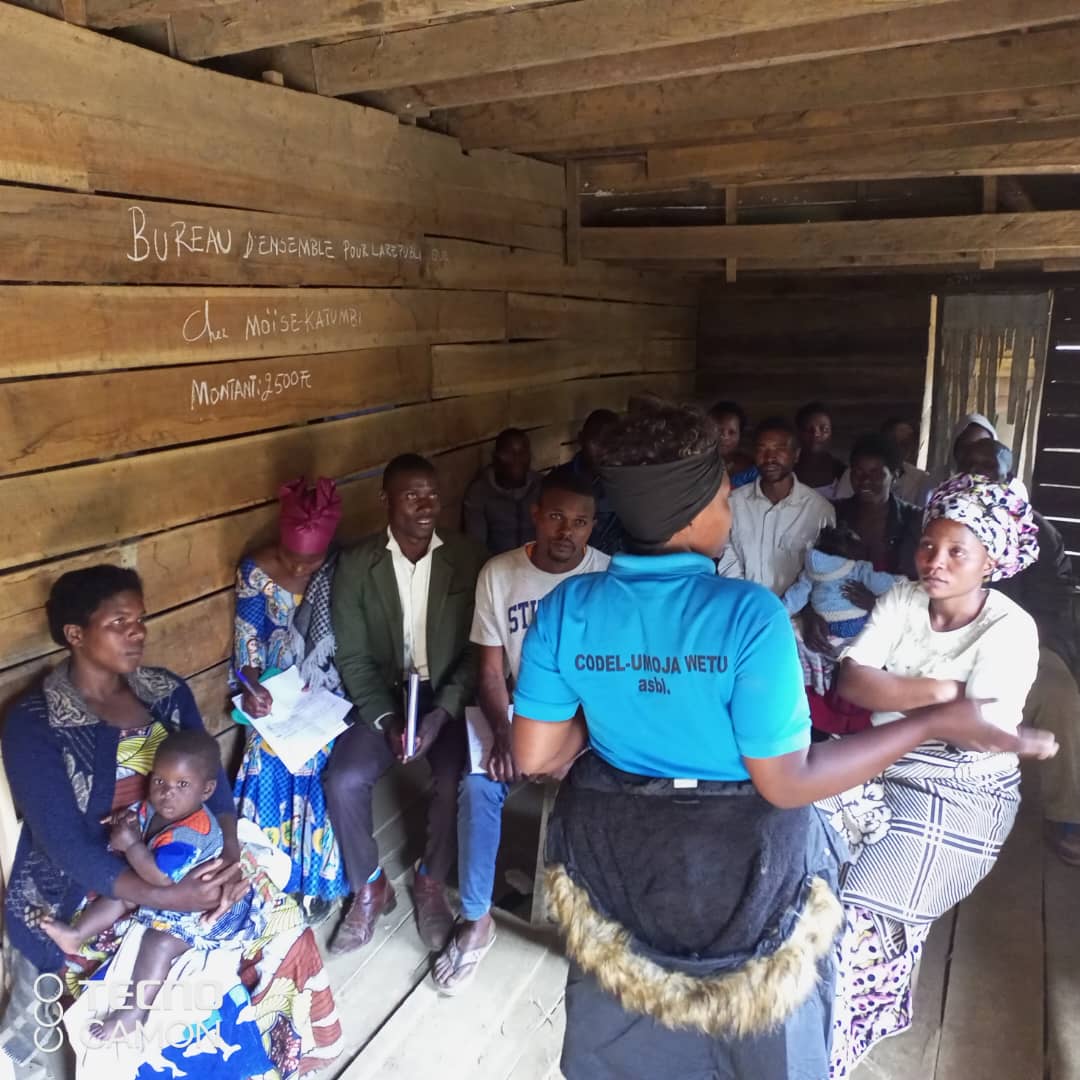
The DRC was the African country most affected by USAID funding cuts — and the third most impacted globally.
The UK, Germany, France, and Canada cut their aid budgets in the same year — the first time in nearly three decades the major donors moved together in that direction. The organizations that survived were the ones that had built their own economic foundations before the funding disappeared. Not For Sale Uganda is still operating — its school, its child-friendly space, its petrol station, its guest house — because it built income-generating enterprises alongside its programs years before the cuts came. That model, mission-aligned enterprise as infrastructure rather than supplement, is the exception. For most communities in the path of this outbreak, there is nothing left to fall back on.
The Two Investments That Could Have Prevented This Outbreak
Preventing Ebola outbreaks requires two kinds of investment that are almost always discussed separately, and almost never should be: clinical infrastructure and structural community resilience.
The communities most exposed to this outbreak are the ones that needed the institutions most — and were left without them.
The outbreak is a stark reminder that global health security depends on sustained investment long before the next emergency begins. That investment has two components that are almost always discussed separately, and almost never should be.
The first is clinical: surveillance systems, laboratory capacity, rapid response teams, healthcare workers. This is what USAID funded. This is what was cut.
The second is structural: the economic and ecological conditions that determine whether communities are resilient enough to withstand an outbreak when it comes. This is what rarely gets funded at all.
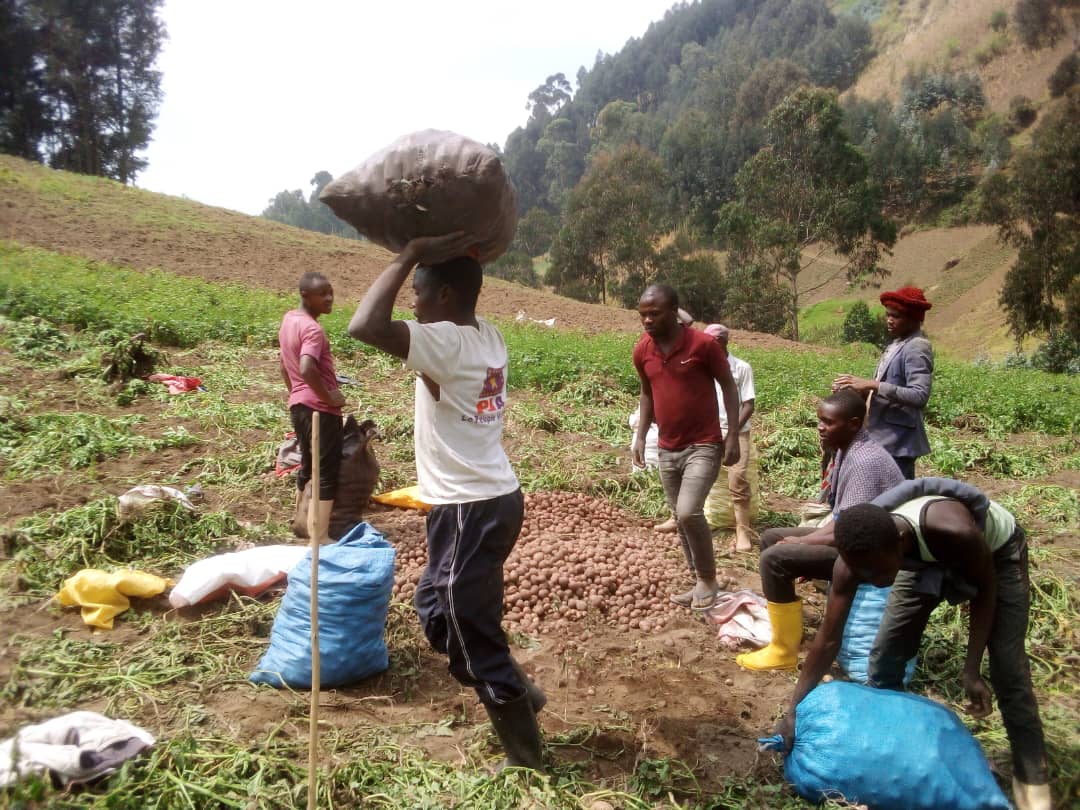
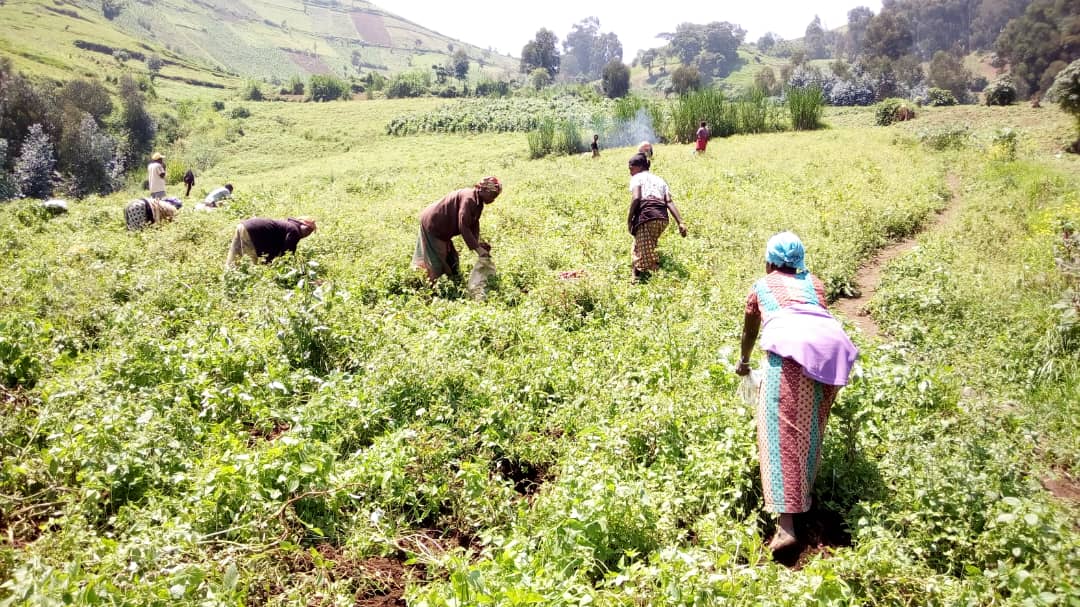
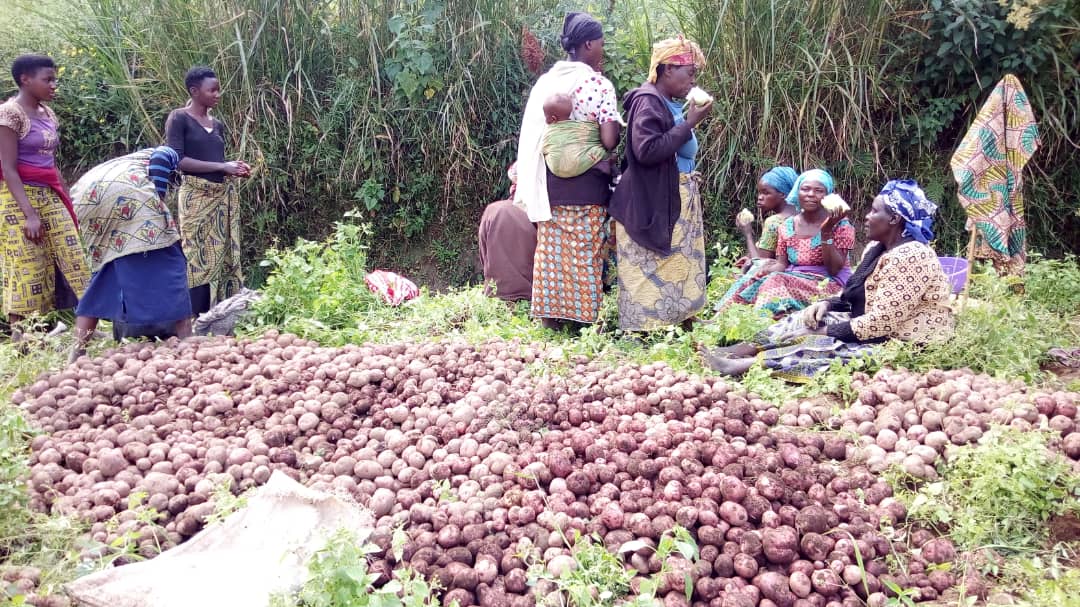
In the Masisi region and around Bunagana in eastern DRC, Not For Sale’s partners have spent the last four months planting trees — more than 20,000 of them — with farming families who are simultaneously members of community cooperatives generating sustainable income from the land. The cooperatives give families a stake in something beyond the mine. The trees restore forest cover that extraction has removed. The combination, economic alternative plus ecological restoration, is precisely what the Ebola research identifies as the upstream intervention that matters most.
20,000+ trees planted in eastern DRC in four months. Community cooperatives providing income alternatives to informal mining. This is what structural Ebola prevention looks like.
This is not a silver bullet. It is not even a program at scale. But it is a proof of concept for the only approach that addresses Ebola where it actually starts: not in the patient, not in the treatment center, but in the landscape and economy that surround the community years before the outbreak begins.
The logic runs directly through the current crisis. When the NGOs close and the funding stops, so do the community health workers, the agricultural cooperatives, the school feeding programs, the trauma counselors, and the income streams that keep families stable enough not to take desperate work in informal mining camps. Every one of those losses is also a loss of outbreak resilience.
Who Is Paying the Price?
The communities paying the highest price for defunded global health systems are those with the least power to resist the consequences: displaced families in eastern Congo, miners in Ituri Province, and children in refugee settlements along the Uganda border.
Not For Sale Uganda currently supports 2,819 students at Kyangwali — children who came, most of them, from communities adjacent to eastern Congo’s mining operations. They arrive carrying a particular weight. TK described children received into the program’s child-friendly space with structured trauma healing, play, learning, and psychosocial support before they enter formal schooling. An adolescent program addresses the physical and psychological transition of puberty inside a settlement where the normal support systems have been severed.
The camp also borders Uganda, where Ebola cases from the current outbreak have now been confirmed. The cross-border transmission the CDC warned about in its May 2026 health alert is not an abstraction for the families at Kyangwali. It is a proximity.
A couple in Texas recently committed to fund twenty children through seven years of schooling. They gave the money at once. “They think they may not make it in the next seven years,” TK said, with the practical empathy of someone who takes people as they are.
It is a generous act. It is also a reminder of how thin the margin is — and how much depends on individuals making private decisions to fill a gap that was, until recently, filled by public institutions with the scale and reach to actually matter.
What Actual Ebola Prevention Looks Like
Ebola prevention is not primarily an emergency response problem. It is a structural investment problem — one that requires sustained funding for health surveillance, community economic resilience, and ecological protection simultaneously.
Sources told STAT News that USAID cuts damaged epidemic preparedness and hampered the DRC’s Ebola response — a perfect storm fueling what infectious disease experts are calling the one of the most rapidly escalating.
The leaked memo from March 2025 turned out to be accurate. The warning was issued. The decision was made anyway. And the communities that paid the price were, predictably, the ones with the least power to resist the consequences — displaced families in eastern Congo, miners and their relatives in Ituri Province, children in refugee settlements along the Uganda border.
The Enrich memo predicted 28,000 cases in a worst-case scenario. As of late May 2026, the outbreak is still escalating.
What does prevention look like — actual prevention, not emergency response? It looks like surveillance funding that does not get cut. It looks like community health workers who are still employed when a virus arrives. It looks like agricultural cooperatives that give families alternatives to informal mining camps where forced labor and debt bondage runs rampant. It looks like forests that have not been fragmented to the point where human-wildlife contact becomes routine. It looks, in other words, like the opposite of what happened here.
The current outbreak was not inevitable. It was predicted. The systems that could have contained it were dismantled on a schedule. The communities living closest to the mine, closest to the forest edge, closest to the border, are the ones now counting their dead.
Frequently Asked Questions
What caused the 2026 Ebola outbreak in the DRC and Uganda?
The 2026 Ebola outbreak in DRC and Uganda is caused by the Bundibugyo strain of the Ebola virus, first identified in Ituri Province, northeastern DRC in May 2026. Contributing factors include the collapse of US-funded health surveillance infrastructure following USAID’s closure in 2025, population displacement driven by conflict and mining activity, deforestation and habitat fragmentation in eastern DRC, and the absence of community economic alternatives to informal mining — all of which increase human-wildlife contact and reduce outbreak detection speed.
How did USAID cuts affect the 2026 Ebola outbreak response?
US government funding for health surveillance in eastern DRC, including in Ituri Province where the current outbreak began, ended in March 2025. USAID was officially closed July 1, 2025. When the index cases were confirmed, USAID was no longer on the ground and US officials were not informed for days — in part because USAID had previously funded the logistics of transporting viral samples from remote areas to central labs for testing. Dr. Alain Casséus of Partners in Health described it as “the first major filovirus outbreak since the United States dismantled the foreign assistance architecture that scaffolded every DRC Ebola response since 2014.”
What is the Bundibugyo Ebola strain, and is there a vaccine?
Bundibugyo ebolavirus (BDBV) is one of the rarest Ebola species, identified in only two previous outbreaks: Uganda in 2007 and DRC in 2012. As of 2026, there is no approved vaccine or antiviral treatment for the Bundibugyo strain. This distinguishes the current outbreak from the better-resourced responses to Zaire ebolavirus, for which vaccines do exist.
How many people have died in the 2026 DRC Ebola outbreak?
As of late May 2026, more than 900 suspected cases and at least 220 suspected deaths had been reported across DRC and Uganda. The WHO declared the outbreak a Public Health Emergency of International Concern on May 17, 2026. The outbreak is ongoing and case counts are rising.
Why does Ebola keep emerging in eastern DRC?
Eastern DRC experiences repeated Ebola outbreaks because of a combination of ecological and social conditions: rapid deforestation and habitat fragmentation from mining and agricultural expansion; high levels of human-wildlife contact in forest-edge communities; large mobile populations including mining workers and displaced persons; weak or collapsed health infrastructure; and limited community economic alternatives to informal extraction work. These conditions existed before USAID cuts and have been significantly worsened by them.
What role does cobalt mining play in Ebola outbreaks?
Cobalt mining in eastern DRC contributes to Ebola outbreak risk through several indirect mechanisms. Mining operations drive deforestation and forest fragmentation, which increases contact between humans and wildlife that may carry zoonotic pathogens. Mining-related population movement — workers arriving from multiple regions, informal settlement growth, cross-border labor flows — creates mobility networks that can accelerate transmission once an outbreak begins. Informal mining camps are also documented sites of forced labor and debt bondage, making community economic resilience an important upstream variable in outbreak prevention.
How can community cooperatives help prevent Ebola outbreaks?
Community cooperatives address one of the structural root causes of repeated Ebola emergence: the absence of dignified economic alternatives to informal mining. When communities have sustainable income from cooperatives, they have reduced pressure to enter mining camps and forest-edge informal labor markets where zoonotic contact risk is highest. Cooperatives also strengthen community institutional fabric — the organizational capacity that makes outbreak detection and response more effective. Organizations like Not For Sale are operating agricultural cooperatives in eastern DRC alongside reforestation programs, treating economic resilience and ecological restoration as components of the same intervention.
What is a Public Health Emergency of International Concern (PHEIC)?
A PHEIC is the WHO’s highest level of global health alert, issued when an outbreak poses a risk to multiple countries and requires a coordinated international response. The WHO Director-General declared the 2026 DRC-Uganda Ebola outbreak a PHEIC on May 17, 2026 — the same designation used for COVID-19, the 2014–16 West Africa Ebola epidemic, and Mpox.
Not For Sale works at the intersection of anti-human trafficking, environmental protection and social innovation across six continents. To support our programs in the Democratic Republic of Congo and Uganda, visit wearenotforsale.org/donate/.
Sources and Further Reading
Reporting on the 2026 outbreak and USAID cuts:
- Trump’s cuts to foreign aid are undermining the Ebola response, insiders say — STAT News, May 19, 2026
- US funding cuts have hampered response to the deadly Ebola crisis, aid workers say — CNN, May 22, 2026
- U.S. aid cuts may have delayed detecting this Ebola outbreak — NPR, May 21, 2026
- Defunded and Exposed: How US Aid Cuts and Broken Trust Fueled the 2026 Ebola Crisis — Infection Control Today, May 2026
- Delayed Ebola Alert Raises Questions About Global Health Coordination — Telehealth.org, June 2026
- Is the U.S. Stepping Up in the Fight Against Ebola? — KFF, June 2026
- Dr. Casséus: “The First Outbreak of the Post-USAID Era” — Partners in Health, May 2026
- Ebola outbreak in DRC: What to know and how to help — International Rescue Committee, June 2026
WHO and CDC outbreak tracking:
- Ebola Disease Outbreak in the Democratic Republic of the Congo and Uganda — CDC Health Alert Network, May 2026
- History of Ebola Outbreaks — CDC
- Ebola virus disease — Democratic Republic of the Congo — WHO Disease Outbreak News, December 2025
- Ebola outbreak in Africa — preparedness in the WHO European Region — WHO Europe, June 2026
- Ongoing outbreak in the Democratic Republic of the Congo — WHO Africa Regional Office, June 2026
- Ebola outbreak in DR Congo collides with conflict and hunger, WHO warns — UN News, May 2026
- DRC — Ebola Virus 16 Outbreak — 2025 — IFRC GO, September 2025
Not For Sale field interviews:
- Mark Wexler in conversation with TK, Director, Not For Sale Uganda — May 2026
Not For Sale background reading:
Published by Mark Wexler June 13, 2026


Sign Up to our Newsletter
Join our movement and get the latest updates, stories, and ways to take action, straight to your inbox.