

PROJECT
Rwanda
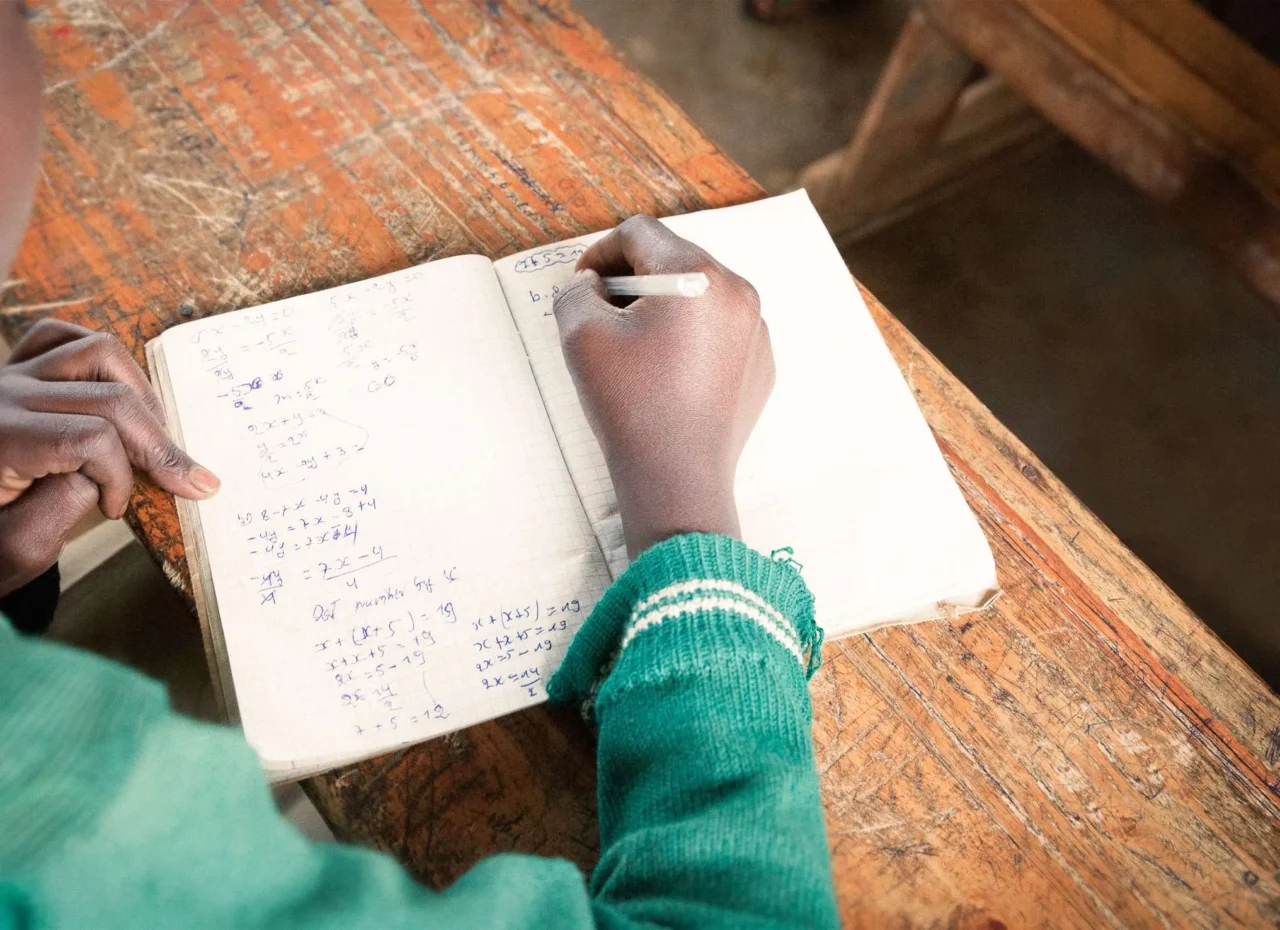
In Rwanda, unemployment and gender inequality are major risk factors for trafficking. Families living in poverty send children to fraudulent employment opportunities, both unknowingly and knowingly, out of sheer desperation. Traffickers target poor, vulnerable families with false job promises, particularly migrants; there are 76,853 refugees from the Democratic Republic of the Congo and 72,007 refugees from Burundi in Rwanda, at high risk of exploitation and trafficking.
Our Mission
To combat vulnerability in Rwandan children, breaking the trafficking cycle from Rwanda, particularly to the Middle East.
Our Challenges
Research found that 77.67% of trafficking victims are female (though the tracking of male victims is currently imprecise). The reasons are cyclical – due to gender inequality, women in Rwanda are more likely living in poverty. Sex combined with poverty puts her at higher risk of trafficking and sexual exploitation. Without proper education, women struggle to secure safe, fairly paid jobs, but female education is societally less valued, furthering the risk for exploitation.
Rwandans are most commonly trafficked for sex and labor in agriculture and industry. Primary destinations for victims are Uganda, the DRC, and other parts of East Africa. Rwandan victims are sent to the Middle East to domestic servitude, and sex trafficked into China.
Our Impact
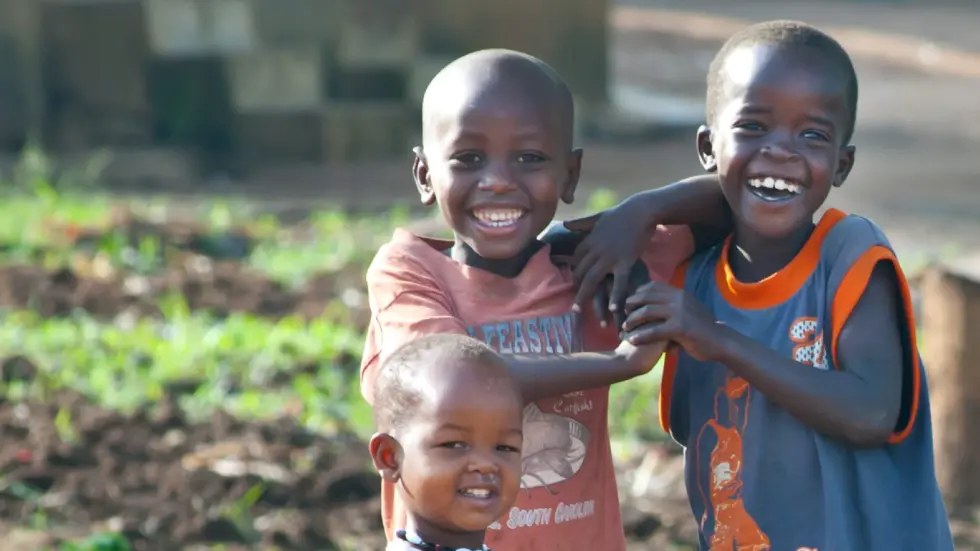
Not For Sale Rwanda began in 2019 and focuses on children disappearing from Rwanda to exploitation in the Middle East. NFS Rwanda provides educational opportunities, human trafficking awareness training and healthcare for children that have been trafficked or are at high risk for exploitation.
Through our funding, we support two grassroots organisations, IVURIRO KIRA (IK) and Sanejo.
IK was founded by Liliane Uwukuli, an orphan survivor of the genocide against the Tutsi in Rwanda. IK’s mission is to provide comprehensive, affordable healthcare services to low- and middle-income people in rural and emerging urban areas of Rwanda. Not for Sale is helping expand patient care by moving into a larger hospital, adding new staff and providing new services.
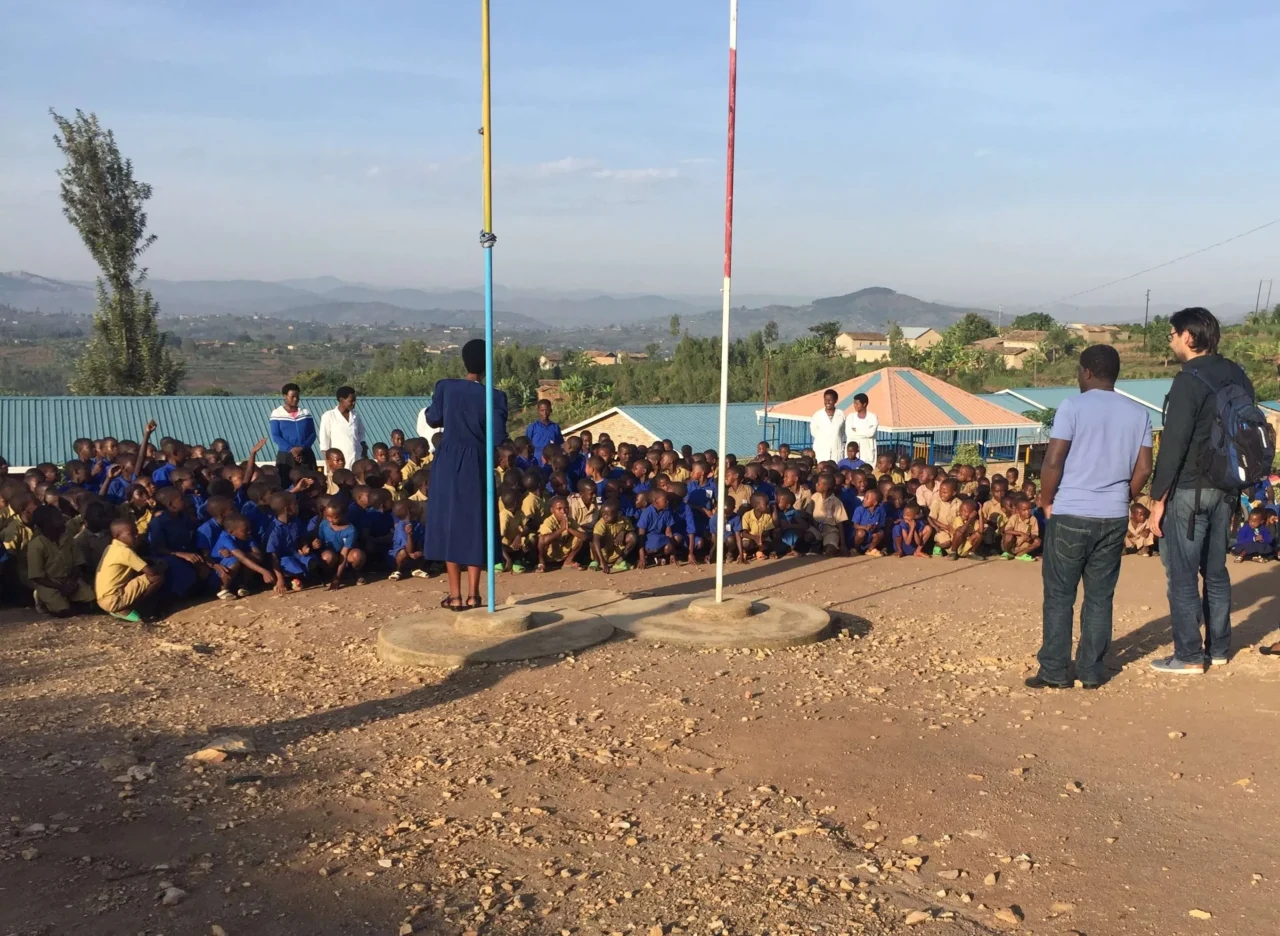
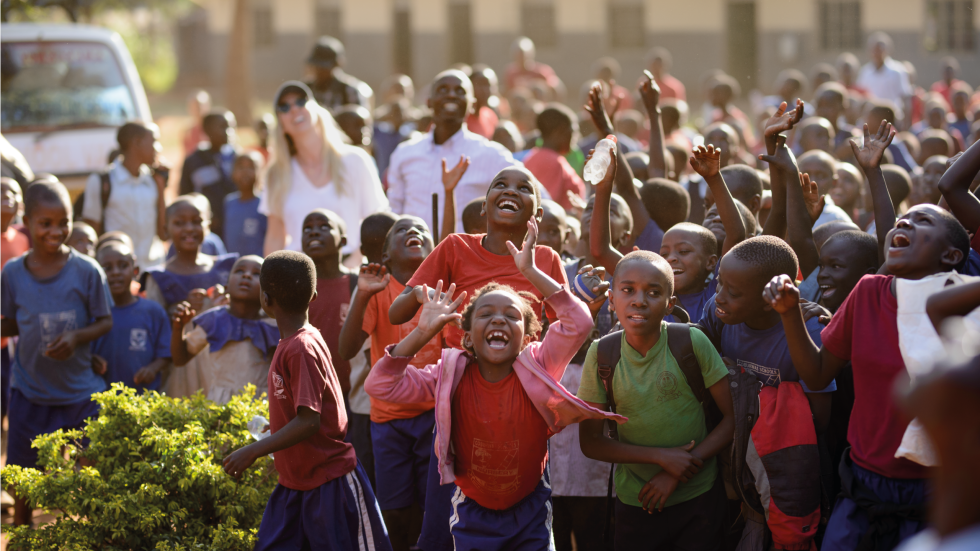
Sanejo has been working in Rwanda since 2010 to help improve the quality of education children receive. Together with the community of Ntenyo, they support over 1000 primary school children, aged 5-15. Through teacher training and mentorship programs, Sanejo works with teachers to improve teaching methods. Not for Sale and Sanejo work together to ensure teacher’s have the awareness and tools to help keep students safe and prevent human trafficking.


Sign Up to our Newsletter
Join our movement and get the latest updates, stories, and ways to take action, straight to your inbox.