

PROJECT
Peru
It is estimated that in 2014, 66,300 people were living in slavery in Peru. Trafficking takes on many forms, often dependent on the region of Peru – in the jungle, there is forced labor in gold mining camps and in brothels targeting miners; in Lima, there is forced begging, sex work and drug trafficking; in the mountains, traffickers will use the outdated Padrino system to trick trusting parents into giving away their children.
Our Mission
To provide safe economic opportunities and reduce the number of adults and children becoming trafficking victims out of desperation for employment. To improve the likelihood that children stay in school.
Our Challenges
The demographics of trafficking victims is approximated as – 86.2% female, 82.7% children, 75.9% trafficked for sex, 41.4% trafficked for labor. Labor-trafficking occupations are most often domestic work and nannying, or mining. The most common types of sex trafficking are street prostitution, brothel prostitution and sex tourism.
Our Impact
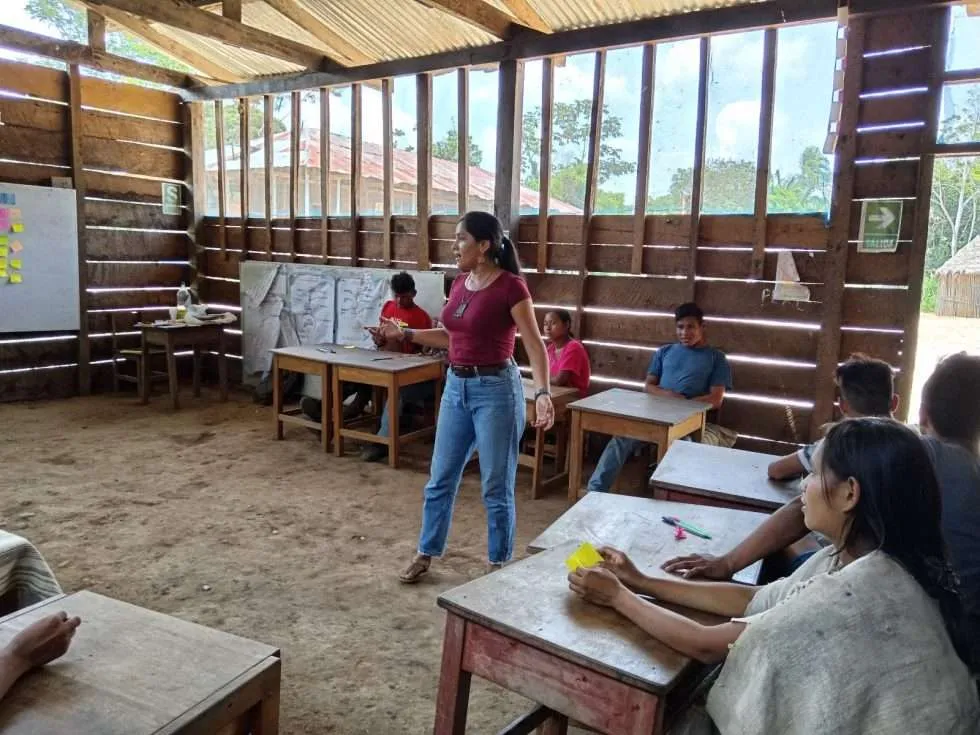
Not For Sale has developed a scholarship program to provide housing, school fees, supplies and emotional support for vulnerable children in rural parts of Peru. We created community gardens in six schools to educate students, teachers and family members on the importance of proper nutrition, as well as promoting self-sufficiency. Not for Sale has developed fish farms to provide the community with clean nutrition, free from mercury poisoning (from gold mines).
We provide artisan training and small business workshops to hundreds of women in the Amazon, helping develop self-esteem while learning marketable trades and skill sets. This increases household income – shown to prolong schooling and reduce labor for their children.
To increase economic opportunity in the region, Not for Sale has supported the AFIMAD cooperative; nine indigenous communities that sustainably gather Brazil nuts from the Amazon. We have increased the value of their crop by paying for organic certification and commit to purchasing part of their harvest.
Want to see the full picture of what your support makes possible?
47
Individuals received an education
52
Individuals received job training
230
Members of the local community served
3,780
individuals quality of life improved
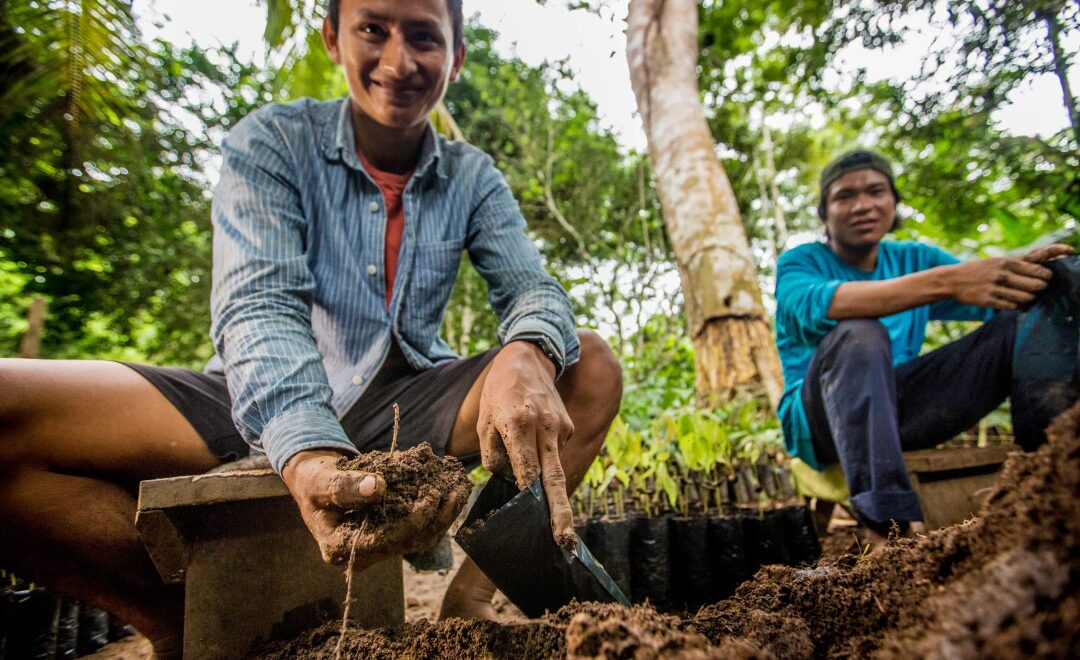
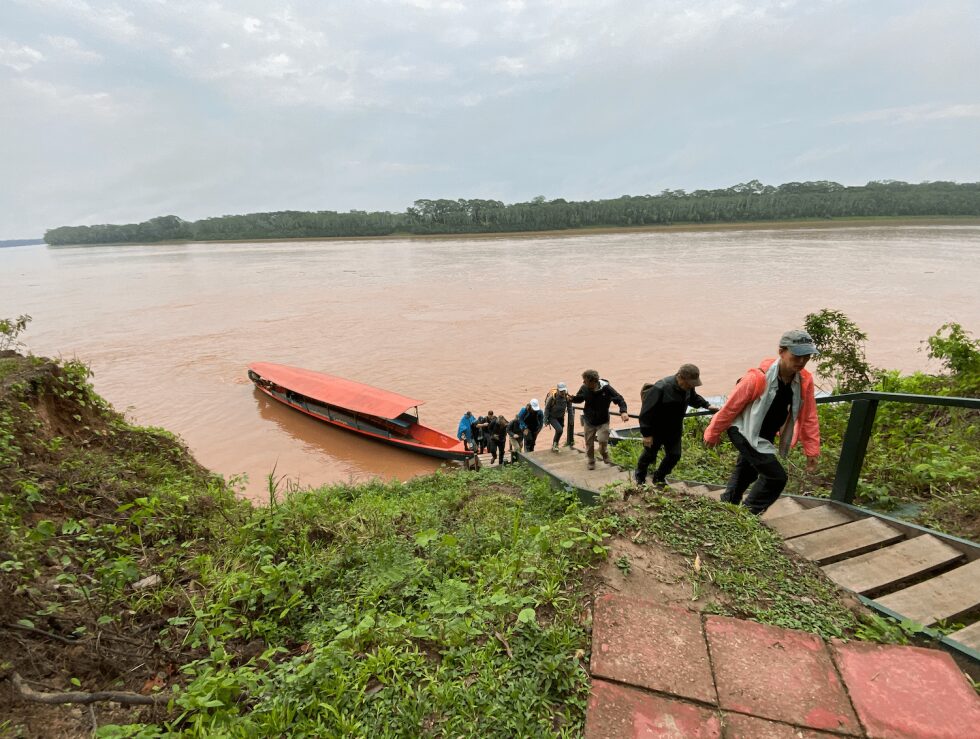
Our project aims to protect biodiversity in the Peruvian Amazon while promoting indigenous rights and sustainable development. We work at the intersection of people and forests, planting trees and fostering sustainable practices to protect the ecosystem. Through this, we support indigenous autonomy and spread sustainable ways of life to encourage fair, long-term development.
Our Impact
2,754
trees planted
2.8 ha
reforested
693.48 t
CO2 captured

Sign Up to our Newsletter
Join our movement and get the latest updates, stories, and ways to take action, straight to your inbox.