

Ambush on Indigenous Wampis Guards in Peruvian Amazon

3.5 MIN READ
Armed attackers ambushed Indigenous Wampis guards in the Peruvian Amazon while they patrolled their ancestral land near Fortaleza. The assault has intensified global concern over the threats Indigenous land defenders face.

On July 12, 2025, about 60 Wampis guards came under fire from unidentified gunmen. Fortunately, no one sustained injuries. Still, the attack triggered a strong reaction from local and international communities.

Only days earlier, Peruvian authorities withdrew from a planned joint operation to shut down illegal mining in Wampis territory. Their exit drew criticism and raised questions about their commitment to Indigenous protection.

Illegal Gold Mining: More Than an Environmental Threat

For over two years, the Wampis Nation has called on Peru’s government to remove illegal miners from the Santiago River basin. The area continues to suffer from environmental damage and rising violence.

Illegal mining harms more than nature. It fuels organized crime, human trafficking, and exploitation. Many miners work under coercive conditions, hoping to escape poverty but falling into abuse.

Organizations like the Nigeria-based Devatop Centre aim to break this cycle through education, advocacy, and digital tools.

Tech Solutions Fighting Human Trafficking

Devatop Centre developed an anti-human trafficking app that recently earned global recognition. The United Nations Alliance of Civilizations honored it for innovation in human rights.

This tool shows how technology can weaken trafficking and exploitation networks linked to illegal mining.

In the Peruvian Amazon, these dangers intensify as illegal miners push further into Indigenous territories. These operations expose vulnerable communities to violence and corruption. Often, local authorities fail to intervene, or worse, enable the harm.

Government Inaction Strengthens Criminal Influence

The government’s sudden withdrawal from the joint enforcement plan frustrated Indigenous leaders and activists. Environmental and human rights groups condemned the move.

Many fear that inaction signals tolerance, or even approval, of criminal activity. Critics say the decision abandons Indigenous defenders at a crucial moment.

Mark Wexler, CEO of Not For Sale, emphasized the real-life consequences. “Human rights and environmental protection go hand in hand,” he said. “We’ve seen how sustainable practices can transform lives in places like Madre de Dios.”

Mercury and Deforestation Destroy the Ecosystem

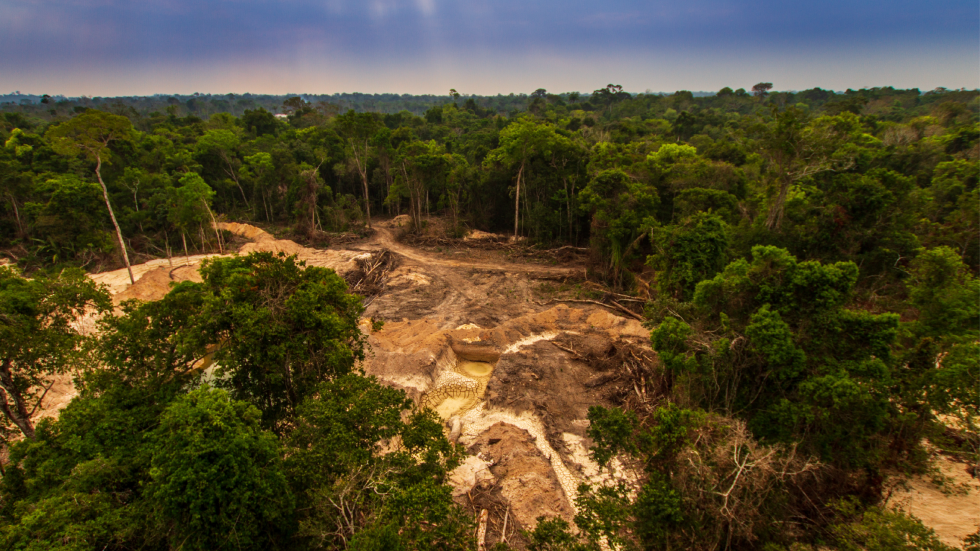
Illegal gold mining devastates the Amazon. Miners clear forests and use mercury to separate gold from soil. This toxic metal then enters rivers, threatening both wildlife and humans.

Mercury exposure harms nervous systems and poisons food chains. Scientists continue to report dangerously high contamination levels in affected regions. The problem endangers biodiversity and public health.

Supporting the Wampis Through Global Action

The Wampis Nation has shown extraordinary courage in defending their land. Despite limited support and repeated threats, they continue to protect their people and territory.

The world must stand beside them. International cooperation, innovative tools, and strong enforcement can help break the cycle of exploitation.

Solutions must include Indigenous leadership. These communities know their land and challenges better than anyone.

How to Help End Illegal Mining and Exploitation

The recent ambush highlights a growing crisis. Governments, corporations, and citizens must work together to stop illegal mining and defend human rights.

We cannot rely on outrage alone. Lasting change demands advocacy, accountability, and sustained global commitment.

To learn more or support Indigenous communities like the Wampis, visit the Not For Sale news page.


Not For Sale’s work at the crossroads of people and planet:

  • Not For Sale’s decades-long work in the Peruvian Amazon continues to drive meaningful change.
  • Our newest social enterprise tackles the root causes of mining and forced labor by creating alternative pathways for the future of the energy sector.
  • We partner with M2i Global (OTCQB: MTWO) to ensure that the U.S. energy transition mitigates both environmental and human costs.
  • Our first social enterprise, REBBL, was founded to build economic development platforms in the Amazon rainforest and other at-risk regions worldwide.

We seed-funded the indigenous-run AFIMAD cooperative, enabling local communities to take ownership of the Brazil nut supply chain in the Peruvian Amazon.

Sources for this article:

  • AP News: “Indigenous Wampis guards ambushed in Peruvian Amazon amid gold mining crisis”
  • Amazon Watch: Press statements and updates
  • The Cable: Devatop Centre’s anti-trafficking app recognized by United Nations Alliance of Civilizations

Sign Up to our Newsletter

Join our movement and get the latest updates, stories, and ways to take action, straight to your inbox.


Human Trafficking

Ecocide is the large-scale destruction, damage, or loss of ecosystems caused by human activity, to the extent that the peaceful enjoyment of life by current or future generations is severely diminished.

Social Innovation

Ecocide is the large-scale destruction, damage, or loss of ecosystems caused by human activity, to the extent that the peaceful enjoyment of life by current or future generations is severely diminished.

Ecocide

Ecocide is the large-scale destruction, damage, or loss of ecosystems caused by human activity, to the extent that the peaceful enjoyment of life by current or future generations is severely diminished.

News

Ecocide is the large-scale destruction, damage, or loss of ecosystems caused by human activity, to the extent that the peaceful enjoyment of life by current or future generations is severely diminished.
Go to Top