


Palisades Wildfire Update: Flames Spread Into New LA Neighborhoods
5.1 MIN READ
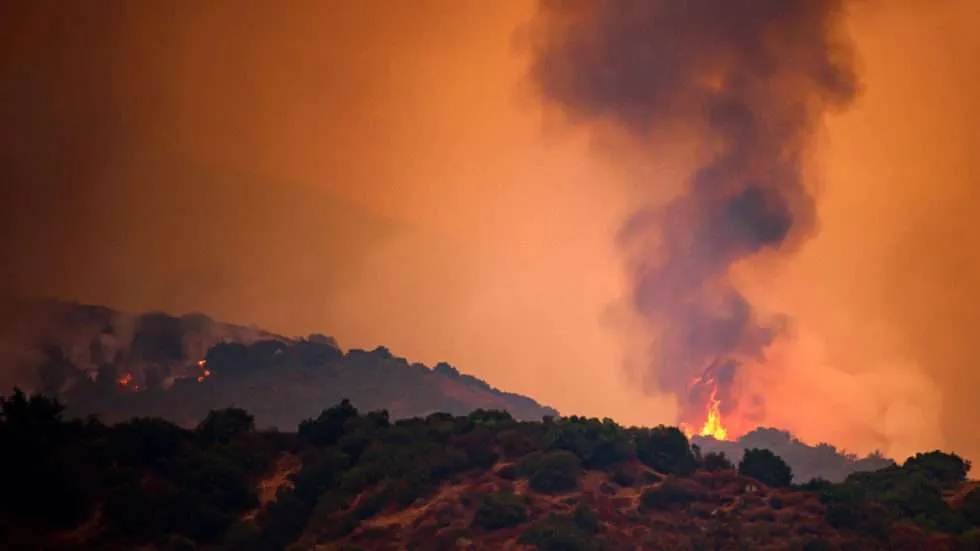
A Crisis Escalates: Palisades Wildfire Threatens New Communities in Los Angeles
As the Palisades wildfire intensifies, flames are spreading into previously untouched neighborhoods, threatening lives, properties, and the fragile ecosystems of Los Angeles. Immediate action is crucial to contain the fire and mitigate its devastating impact. Beyond the emergency response, this crisis highlights the importance of long-term strategies such as sustainable land use, community support, and climate change mitigation.
A personal note from our founder, Mark Wexler: Our hearts go out to the Southern California communities affected by the devastating wildfires. Several close friends and supporters of Not For Sale have lost their homes, and many others in our community have been forced to evacuate. Their personal loss is a poignant reminder that our interconnected relationship with the planet cannot be ignored or taken for granted. The Not For Sale family extends our deepest empathy and unwavering support to all those affected during this time of need.
The Escalating Crisis: A Snapshot of the Palisades Wildfire
The Palisades wildfire, which began on January 10, 2025, as a small brush fire in the Topanga State Park area, has rapidly grown due to high winds and dry vegetation. According to local fire departments, the blaze has consumed over 25,000 acres of land as of January 14, 2025, and forced the evacuation of over 12,000 residents in neighborhoods including Pacific Palisades, Brentwood, and parts of Santa Monica. Firefighters are working tirelessly, but containment remains at 30% due to strong Santa Ana winds and the region’s rugged terrain.
The fire is now heading northeast, threatening neighborhoods like Bel Air and Westwood, prompting new evacuation orders. Local officials are urging residents to heed evacuation orders and prepare for the possibility of extended displacement.
Immediate Response: Coordinating Efforts to Combat the Blaze
Mobilizing Resources: Firefighting teams from across California have converged on the Palisades area, deploying aerial water drops, bulldozers, and hand crews to create firebreaks. Despite their valiant efforts, the scale of the fire poses logistical challenges, including limited access to rugged terrain and stretched resources.
Evacuation and Relief Efforts: Evacuation shelters have been set up across Los Angeles County to accommodate displaced residents, including locations in Santa Monica High School, Brentwood Recreation Center, and Westwood Community Center. Nonprofits and community organizations are providing food, medical supplies, and emotional support to those affected. Yet, with resources stretched thin, there is an urgent need for public donations and volunteer support.
Environmental Impact: Devastation Beyond the Palisades Wildfire
Biodiversity Loss: The Palisades wildfire is devastating ecosystems that are home to unique plant and animal species. The coastal sage scrub habitat, which provides shelter for species like the California gnatcatcher and Santa Monica Mountains lizards, has been significantly damaged. The destruction of these habitats increases the risk of local extinctions and disrupts the ecological balance of the region.
Air Quality Deterioration: Smoke from the fire has severely degraded air quality, with PM2.5 levels exceeding 200 AQI, posing significant health risks to millions of residents. Poor air quality can cause respiratory issues, exacerbate existing health conditions, and increase hospital visits. Vulnerable populations, including children, the elderly, and individuals with pre-existing conditions, are at heightened risk.
Watershed Damage and Flood Risks: Burned vegetation diminishes the landscape’s ability to retain water, increasing the likelihood of flooding and landslides in the aftermath of the fire. Ash and debris can contaminate waterways, disrupting aquatic ecosystems and threatening the availability of clean water for surrounding communities.
Long-Term Solutions: Building Resilience and Prevention Strategies
Sustainable Land Use Practices: One critical step in preventing wildfires is adopting sustainable land use policies. Urban planning must prioritize fire-resistant designs, buffer zones, and strategic vegetation management.
- Fire-Resistant Designs: Encourage the use of fire-resistant building materials, such as non-combustible roofing and siding, to minimize property damage.
- Buffer Zones: Implement mandatory buffer zones around communities, ensuring a defensible space that slows the spread of flames.
- Strategic Vegetation Management: Promote regular clearing of dead vegetation and the use of controlled burns to reduce fuel buildup in high-risk areas.
Climate Change Mitigation: The role of climate change in exacerbating wildfires cannot be overstated. Rising temperatures, prolonged droughts, and unpredictable weather patterns create the perfect storm for fire outbreaks. Effective strategies include:
- Reducing Carbon Emissions: Transition to renewable energy sources such as wind, solar, and hydroelectric power.
- Reforestation Efforts: Planting native trees and restoring degraded ecosystems to improve carbon sequestration and reduce erosion risks.
- Policy Advocacy: Encourage governments to adopt and enforce climate policies that address global warming and support international agreements such as the Paris Accord.
Community Support and Preparedness: Disadvantaged communities often bear the brunt of wildfire devastation. It is essential to:
- Enhance Emergency Preparedness: Provide training and resources to help communities develop evacuation plans and assemble emergency kits.
- Improve Infrastructure: Invest in fire-resistant infrastructure and community shelters that can withstand extreme conditions.
- Economic Empowerment: Support job creation and economic opportunities in affected areas to foster long-term resilience and recovery.
How You Can Help
Support organizations providing aid to affected families. Below are some charities making a significant impact on the ground:
American Red Cross: Setting up evacuation shelters and providing essential supplies to displaced residents. Donate here.
California Community Foundation Wildfire Relief Fund: Offering financial support to low-income individuals and families affected by wildfires. Donate here.
World Central Kitchen: Delivering hot meals to evacuees and first responders. Donate here.
Los Angeles Fire Department Foundation: Equipping firefighters with resources and tools needed to combat the blaze. Donate here.
Environmental Defense Fund: Advocating for policies and practices to reduce wildfire risks and address climate change. Donate here..
The Palisades wildfire is a sobering reminder of the intertwined challenges of environmental degradation and climate change. While immediate firefighting efforts remain critical, long-term strategies are essential for building a more resilient future. By addressing the root causes of these crises and supporting vulnerable communities, we can turn the tide against such disasters and protect our planet for generations to come. To explore how organizations are driving meaningful, positive change for both the planet and its people, visit our News from the Frontlines page for more inspiring stories and updates.
Sources:
Published on January 15, 2025


Sign Up to our Newsletter
Join our movement and get the latest updates, stories, and ways to take action, straight to your inbox.