


Myanmar’s Post-Election Reality: Why Regional Diplomacy Must Confront the Hidden Crisis of Human Trafficking
8.4 MIN READ
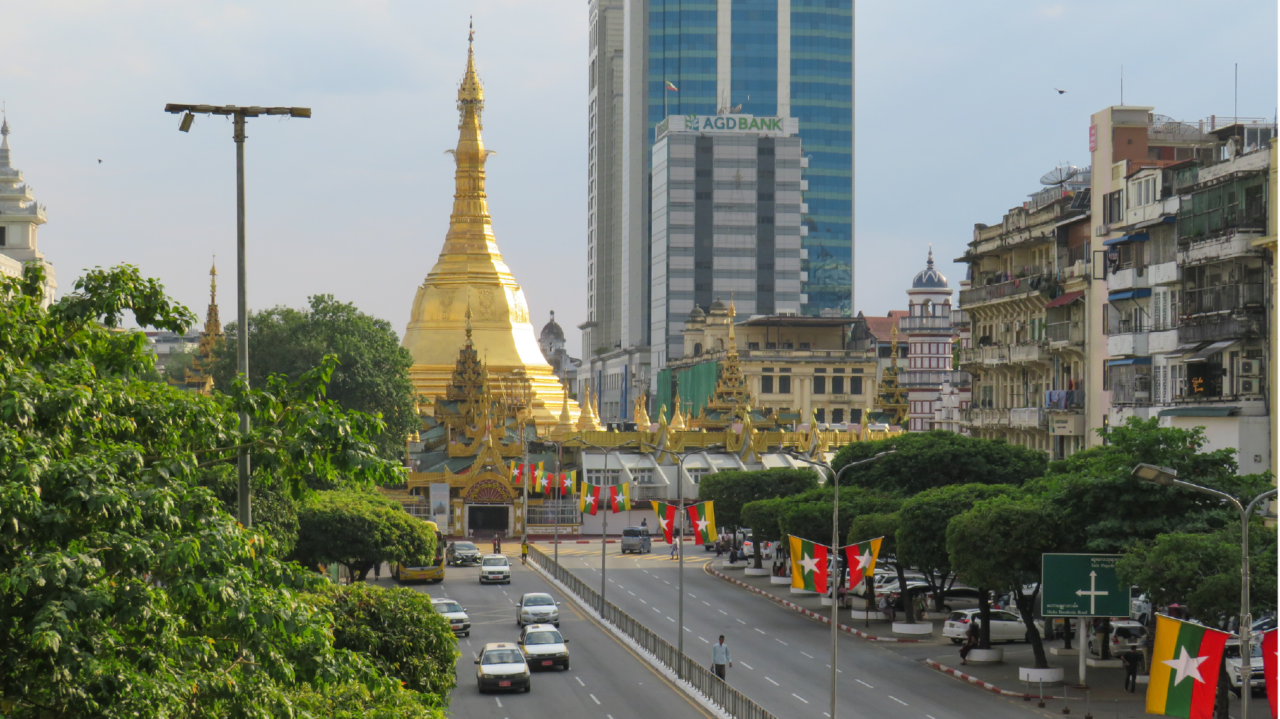
As Thailand moves to re-engage Myanmar following controversial elections, aid organisations warn that instability along the border is accelerating exploitation, forced labour and cross-border trafficking
Diplomatic language often sounds calm.
Words like engagement, dialogue and transition suggest progress quietly unfolding behind closed doors. But along the Thailand–Myanmar border, where conflict, displacement and economic desperation collide daily, the consequences of political decisions are rarely abstract.
They are human.
Following Myanmar’s recent post-election developments, Thailand has signalled its willingness to act as a regional bridge between Myanmar and the Association of Southeast Asian Nations (ASEAN), encouraging renewed dialogue after years of isolation triggered by the 2021 military coup.
Officials describe the approach as pragmatic diplomacy. Myanmar’s election, widely criticised by international observers and human rights organisations for limited participation and restricted voting areas, has nevertheless altered the political landscape. Regional governments now face a difficult question.
How do you engage without legitimising instability?
For organisations working directly with survivors of exploitation and trafficking, another question sits alongside it.
What happens to vulnerable people while diplomacy moves slowly?
Because history shows that where governance weakens, exploitation expands.
Instability Creates Opportunity for Criminal Networks
Myanmar has experienced nationwide conflict and repression since the military takeover in 2021. Armed resistance movements, economic collapse and humanitarian displacement have reshaped everyday life across large parts of the country.
According to reporting from Reuters, Thailand is positioning itself as a mediator seeking constructive engagement between Myanmar and ASEAN partners following the election period, emphasising dialogue and reduced violence as prerequisites for reintegration into regional cooperation frameworks.
Stability along the shared border matters deeply.
Thailand shares the longest land border with Myanmar among ASEAN nations, stretching more than 2,400 kilometres through mountainous terrain, informal crossings and remote communities.
Where borders are porous and governance fragmented, organised crime thrives.
Human trafficking networks do not wait for political consensus.
They move quickly.
Europol and United Nations agencies have repeatedly documented how armed conflict increases vulnerability to forced labour recruitment, sexual exploitation and online scam operations targeting both migrants and foreign nationals.
In recent years, criminal syndicates operating near Myanmar’s border regions have expanded industrial-scale fraud compounds, forcing trafficked victims to conduct romance scams, cryptocurrency fraud and illegal gambling operations aimed at international audiences.
Many victims arrive believing they have accepted legitimate employment.
Many never leave voluntarily.
The Border Economy Few People See
Border towns across Thailand and Myanmar have long depended on trade and migration.
Markets, transport routes and informal labour networks connect families across generations.
But prolonged instability has transformed parts of this economy into something far more dangerous.
The closure or disruption of official crossings, combined with armed conflict inside Myanmar, has pushed migrants toward irregular routes controlled by smugglers and criminal intermediaries.
Displacement becomes currency.
Families fleeing violence often lack documentation, employment access or legal protections.
That vulnerability attracts traffickers.
In 2025, Thailand took significant measures targeting criminal scam hubs operating just across the border, including cutting electricity and communications infrastructure supporting organised fraud operations tied to trafficking networks.
Those actions reflected growing recognition that exploitation has become transnational.
Online scams are not only financial crimes.
They are frequently labour trafficking operations hidden behind computer screens.
Survivor testimonies collected by anti-trafficking organisations describe confiscated passports, physical abuse and threats against family members used to maintain control.
Diplomatic engagement between governments must therefore consider not only political reconciliation but also the criminal ecosystems that flourish during instability.
Elections Do Not Immediately Create Safety
International observers have raised concerns about Myanmar’s recent elections, noting that voting occurred only in limited areas and excluded large populations affected by conflict.
Humanitarian organisations argue that legitimacy alone does not determine safety conditions for civilians.
Security does.
According to ASEAN discussions reported by regional media outlets, Thailand has urged Myanmar authorities to pursue dialogue processes and reduce violence against civilians as part of any broader reintegration effort.
These conditions matter beyond diplomacy.
Civilian attacks, displacement and economic collapse directly correlate with increased trafficking risk.
When schools close, children become easier targets.
When employment disappears, risky migration increases.
When families separate, recruitment networks step in.
The International Labour Organization estimates tens of millions globally remain trapped in modern slavery conditions.
Conflict zones accelerate those numbers.
Women and Children Face the Greatest Risk
Along the Thai–Myanmar frontier, aid workers consistently report that women and children face disproportionate exposure to exploitation.
Young people searching for education or work opportunities are often approached online or through intermediaries promising safe passage.
Some are transported into forced labour compounds.
Others disappear into domestic servitude or sexual exploitation networks.
The Rohingya crisis and internal displacement across Myanmar have already demonstrated how stateless populations become targets for traffickers operating across maritime and land routes.
Political transition periods often intensify these risks.
Attention shifts toward diplomacy.
Protection gaps widen.
Not For Sale’s work across regions affected by trafficking highlights a consistent pattern.
Exploitation rarely announces itself loudly.
It emerges quietly through economic pressure, misinformation and isolation.
ASEAN’s Responsibility Beyond Diplomacy
Regional cooperation remains essential.
ASEAN has attempted to navigate Myanmar’s crisis through a five-point consensus framework aimed at reducing violence and encouraging dialogue.
Progress has been uneven.
Member states balance humanitarian concern with economic interests, border stability and geopolitical relationships.
Thailand’s attempt to act as a bridge reflects recognition that isolation alone has not resolved the crisis.
But engagement must extend beyond political negotiation.
Anti-trafficking experts argue that safeguarding commitments should form part of any diplomatic roadmap.
This includes:
- Cross-border victim identification systems.
- Safe migration pathways.
- Intelligence sharing targeting organised crime networks.
- Survivor support services accessible regardless of nationality.
Without these safeguards, reopening economic or transport channels risks unintentionally strengthening trafficking routes already embedded along the border.
Humanitarian Aid and Access
Humanitarian access remains another defining issue.
Natural disasters, including a devastating earthquake in Myanmar during 2025, compounded existing humanitarian challenges while conflict complicated aid delivery routes.
Aid organisations have repeatedly called for unrestricted assistance corridors.
When aid fails to reach communities, desperation increases.
Traffickers understand this equation well.
Offers of transport, employment or relocation appear attractive when food insecurity grows.
Humanitarian response and anti-trafficking prevention therefore cannot operate separately.
They are inseparable parts of the same protection system.
The Role Civil Society Must Play
Governments negotiate policy.
Civil society witnesses consequences.
Anti-trafficking organisations, survivor advocates and local community groups often identify exploitation trends long before they appear in official statistics.
Their inclusion within regional conversations is essential.
Survivors understand recruitment patterns.
They recognise warning signs invisible to policymakers.
Partnership between governments and frontline organisations offers the strongest chance of preventing exploitation rather than responding after harm occurs.
Diplomacy without safeguarding risks becoming incomplete.
Stability Must Mean Safety
Thailand’s willingness to facilitate dialogue with Myanmar may help reopen regional cooperation pathways.
Peaceful engagement offers hope for reduced violence and improved humanitarian conditions.
But political transition alone does not protect vulnerable people.
Stability must be measured not only by diplomatic meetings or summit attendance but by whether exploitation declines.
Whether children remain in school.
Whether migrants cross borders safely.
Whether criminal networks lose opportunity.
Modern trafficking adapts quickly to uncertainty.
As Southeast Asia navigates one of its most complex political crises in decades, safeguarding must sit alongside diplomacy as a central priority.
Because peace agreements signed on paper mean little if exploitation continues quietly beyond the negotiating table.
FAQ’s
Why does political instability increase human trafficking?
Political instability weakens institutions that normally protect people. When conflict disrupts schools, employment, border controls and law enforcement, vulnerable communities often lose access to legal work and safe migration routes. Trafficking networks exploit this gap by offering false jobs, transport or financial assistance that ultimately leads to forced labour, sexual exploitation or criminal activity.
Why is the Thailand–Myanmar border considered high risk for trafficking?
The Thailand–Myanmar border stretches more than 2,400 kilometres through remote terrain and informal crossings. Conflict inside Myanmar has displaced large numbers of people who may lack documentation, stable employment or legal migration pathways. These conditions create opportunities for organised crime groups to recruit or transport victims across the border.
How are online scams connected to human trafficking?
Many large online fraud operations in Southeast Asia rely on trafficked labour. Victims are often recruited with promises of legitimate jobs in technology, marketing or customer service. Once transported to scam compounds, their passports may be confiscated and they are forced to conduct financial fraud schemes targeting victims worldwide.
Who is most vulnerable to trafficking in conflict zones?
Women, children and displaced populations face the greatest risk. Young people seeking education or employment opportunities are particularly vulnerable to false recruitment schemes. Stateless groups and migrants without legal protections are also frequently targeted by trafficking networks.
What role does ASEAN play in addressing Myanmar’s crisis?
ASEAN has attempted to manage Myanmar’s political crisis through a five-point consensus framework aimed at reducing violence and encouraging dialogue. Regional cooperation also provides opportunities for cross-border anti-trafficking initiatives, intelligence sharing and humanitarian support programmes.
How can diplomacy help reduce human trafficking?
Diplomatic engagement can help stabilise conflict zones, reopen humanitarian access and strengthen cross-border cooperation between governments. When combined with strong anti-trafficking policies — such as safe migration pathways, victim protection systems and law enforcement collaboration — diplomacy can reduce opportunities for organised exploitation networks.
Why is humanitarian aid important for trafficking prevention?
Humanitarian assistance helps stabilise communities affected by conflict or disaster. Access to food, shelter, healthcare and education reduces the desperation that traffickers often exploit. Without adequate aid, vulnerable individuals may accept risky offers of work or migration that lead to exploitation.
What can international organisations and civil society contribute?
Civil society groups and anti-trafficking organisations often identify exploitation patterns before governments do. Their work supporting survivors, monitoring recruitment trends and providing community education is critical to preventing trafficking and ensuring victims receive protection and support.
Sources
- Reuters reporting on Thailand’s post-election engagement strategy with Myanmar and ASEAN
- ASEAN diplomatic framework discussions and regional policy statements
- United Nations humanitarian and displacement reporting on Myanmar
- International Labour Organization Global Estimates of Modern Slavery
- Thailand–Myanmar border humanitarian and disaster response reporting
Published on March 5, 2026

Sign Up to our Newsletter
Join our movement and get the latest updates, stories, and ways to take action, straight to your inbox.