


Japan Joins Regional Effort to Examine Toxic River Pollution Linked to Myanmar Mining
5.1 MIN READ
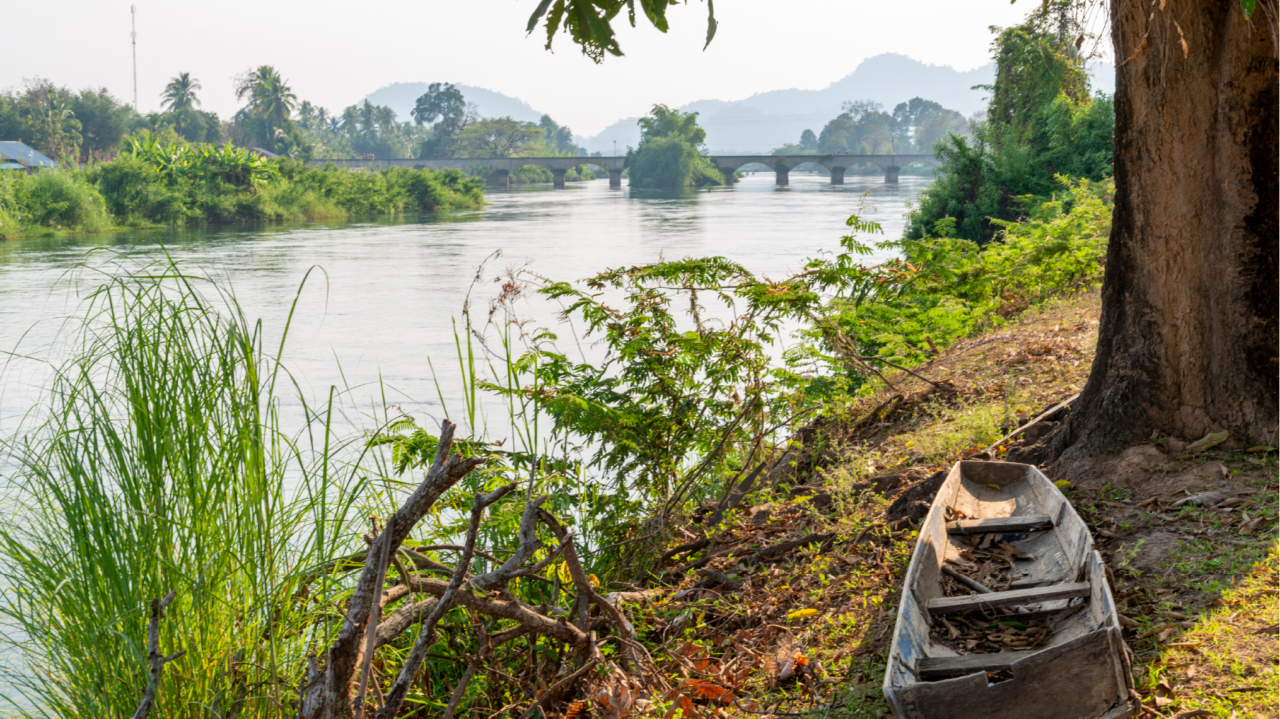
Thai authorities have turned to Japanese environmental experts for technical support as concerns grow over suspected contamination flowing across borders from mining areas in Myanmar into major Southeast Asian river systems.
Thailand is seeking Japan’s assistance to investigate suspected toxic contamination affecting rivers that originate in Myanmar and flow downstream into neighbouring countries, as authorities respond to mounting environmental and public-health concerns along shared waterways.
According to Thai officials, the country’s Pollution Control Department has requested technical cooperation from Japan to help analyse water quality and identify potential sources of contamination in several northern rivers. The initiative focuses particularly on waterways that cross international borders before joining larger regional systems relied upon by farming communities and fisheries.
Officials said the cooperation will include scientific sampling, laboratory analysis and the sharing of specialist environmental monitoring expertise. Japanese support is expected to strengthen Thailand’s ability to assess pollutants that may be entering rivers upstream and moving across national boundaries.
Cross-border rivers under scrutiny
Communities in northern Thailand have raised concerns in recent years about declining water quality in rivers such as the Kok and Sai, which originate in Myanmar before flowing into the Mekong basin. Authorities have also monitored sections of the Mekong and Salween river systems because of their importance to agriculture, drinking water supplies and local ecosystems.
Thai officials have previously warned residents in some affected areas to limit direct use of river water while investigations continue, citing precautionary health measures.
Environmental researchers and local residents have linked the concerns to expanding mining activity in parts of eastern Myanmar, including rare earth and gold extraction operations. However, officials have emphasised that investigations are ongoing and that determining precise sources of contamination requires further scientific verification.
Authorities have not publicly confirmed a definitive cause.
Technical cooperation with Japan
Government representatives said Japan’s involvement reflects long-standing cooperation between the two countries on environmental management and pollution control. Japanese agencies are expected to assist with advanced testing methods designed to detect heavy metals and chemical residues that may not be easily identified through routine monitoring.
Officials said the partnership aims to strengthen evidence-based assessments rather than assign responsibility.
Cross-border environmental challenges can be difficult to address without shared data and technical capacity, particularly when rivers pass through areas affected by conflict or limited regulatory oversight.
Myanmar has experienced ongoing instability since the military seized power in 2021, complicating environmental monitoring in some remote regions.
Regional environmental concerns
Experts have increasingly warned that poorly regulated mining across parts of mainland Southeast Asia poses risks to shared river systems. Research organisations have reported that chemicals used in mineral extraction, including substances associated with gold and rare-earth processing, can enter waterways if waste management safeguards are inadequate.
Millions of people rely on the Mekong and its tributaries for farming, fishing and transport, making water quality a sensitive regional issue.
Advocates and community groups have urged governments to strengthen cooperation to protect downstream populations, while officials stress that scientific verification remains essential before policy or diplomatic responses are considered.
Next steps
Thai authorities said monitoring efforts will continue alongside Japan’s technical support, with additional sampling planned across multiple river locations.
Officials have indicated that findings from the joint investigation could inform future environmental safeguards and potential international discussions on river protection.
No timeline has been announced for the completion of the study, and authorities say conclusions will depend on laboratory analysis and continued data collection.
FAQs
Why is Thailand investigating river pollution linked to Myanmar?
Thailand has launched investigations after communities in northern regions raised concerns about declining water quality in rivers that originate in Myanmar and flow downstream into Thai territory. Authorities are examining whether mining activity upstream may be contributing to contamination.
Which rivers are affected by the suspected pollution?
Concerns have focused primarily on the Kok and Sai rivers, which originate in Myanmar and flow into northern Thailand before joining larger river systems connected to the Mekong basin. Parts of the Mekong and Salween river systems are also being monitored because of their regional environmental importance.
Why is Japan assisting with the investigation?
Thailand has requested support from Japanese environmental experts to strengthen scientific testing and water-quality analysis. Japan has experience in pollution monitoring and advanced laboratory techniques that can help detect heavy metals and other chemical contaminants.
What types of pollution are authorities looking for?
Environmental investigators are examining whether heavy metals, chemical residues or other toxic substances linked to mining activities may be entering river systems. These pollutants can sometimes be difficult to detect through routine water monitoring without specialised testing.
Is Myanmar confirmed as the source of the contamination?
No. Officials have emphasised that investigations are still ongoing and that no definitive source has been confirmed. Scientific analysis is required to determine whether pollution is linked to upstream mining operations or other environmental factors.
Why are cross-border rivers difficult to regulate?
Rivers that flow across national borders involve multiple jurisdictions, making environmental monitoring and enforcement more complex. Pollution originating upstream in one country can affect communities, agriculture and ecosystems downstream in neighbouring countries.
How could mining contribute to river pollution?
Mining operations sometimes use chemicals to extract minerals such as gold or rare earth elements. If waste materials or processing chemicals are not properly managed, they can enter nearby waterways and affect water quality downstream.
Why is the Mekong River system particularly important?
The Mekong and its tributaries support the livelihoods of millions of people across Southeast Asia. Communities depend on the river for fishing, farming, drinking water and transportation, making water quality a critical regional issue.
What risks could contaminated rivers pose to communities?
Potential risks include impacts on drinking water supplies, agriculture, fisheries and local ecosystems. For this reason, authorities sometimes issue precautionary guidance advising residents to limit direct use of river water until investigations are complete.
What happens next in the investigation?
Thai authorities will continue collecting water samples and analysing pollution data with support from Japanese experts. The findings could inform future environmental safeguards and potential international cooperation on protecting shared river systems.
Published on March 5, 2026


Sign Up to our Newsletter
Join our movement and get the latest updates, stories, and ways to take action, straight to your inbox.