


Illegal Gold Mining in the Amazon: The Fight Against Organized Crime and Environmental Crisis
5.7 MIN READ
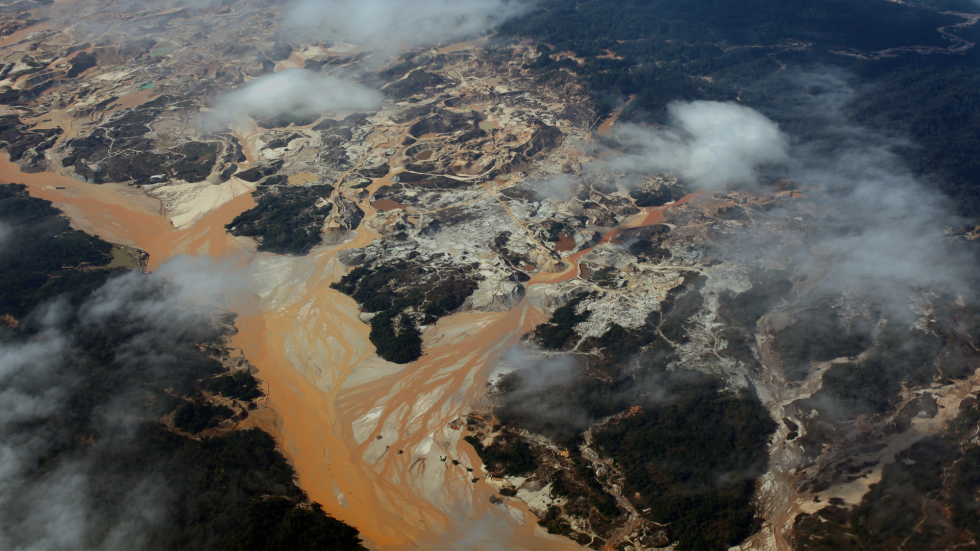
A Criminal Invasion into the Heart of the Amazon
Illegal gold mining in the Amazon is no longer a mere environmental issue—it has evolved into a potent driver of violence, ecological devastation, and human rights abuses in South America.
At the center of this chaos is Brazil’s Primeiro Comando da Capital (PCC), one of the continent’s most formidable criminal organizations. The PCC’s ventures into the Amazon underscore a troubling convergence of organized crime, environmental plunder, and socio-economic desperation.
The Amazon, often referred to as the lungs of the Earth, harbors unparalleled biodiversity and stores vast amounts of carbon dioxide, making it a critical buffer against climate change.
Yet, the region faces an existential threat as illegal gold miners, backed by criminal syndicates like the PCC, relentlessly exploit its resources. The motivations are clear: gold, a universally valuable commodity, offers staggering financial returns on the black market.
This article delves into the complex dynamics of this crisis, examining its impact on Indigenous communities, the environment, and the broader socio-political landscape. It also evaluates government responses and explores potential pathways toward a sustainable resolution.
Gold Fever Meets Organized Crime
The PCC, originally established as a prison gang in the 1990s, has grown into a sophisticated criminal network with operations extending beyond drug trafficking. Its expansion into the Amazon represents a calculated move to diversify its revenue streams. Gold’s intrinsic value and relative ease of laundering make it an attractive investment for organized crime.
Mining activities orchestrated by the PCC often rely on a decentralized network of “garimpeiros,” or wildcat miners. Many of these miners are impoverished individuals driven by a lack of economic opportunities.
Once inside the rainforest, they work under dangerous and exploitative conditions. The PCC provides logistical support—including equipment, transportation, and protection—in exchange for a cut of the profits.
The repercussions of these activities are manifold. Mercury used in gold extraction pollutes rivers and streams, poisoning aquatic ecosystems and communities that rely on these water sources.
Deforestation accelerates as miners clear swaths of forest to access deposits. Meanwhile, Indigenous lands—protected under Brazilian law—are routinely invaded, sparking violent clashes.
Indigenous Communities: Frontline Victims and Unwilling Participants in Illegal Gold Mining
Indigenous communities have borne the brunt of illegal gold mining in the Amazon. Traditional lands, rich in gold and other minerals, have become battlegrounds where miners and armed enforcers encroach with impunity.
The Yanomami, Munduruku, and Kayapó peoples are among the worst affected.
Violence against Indigenous leaders who oppose mining is escalating. Reports from advocacy groups reveal a troubling pattern of intimidation, assaults, and even assassinations.
The PCC’s involvement has exacerbated these conflicts, as the group’s resources and influence make resistance particularly dangerous. (AP News)
Paradoxically, some Indigenous individuals and groups find themselves complicit in illegal mining, drawn by the promise of financial gain. With few economic alternatives and insufficient state support, the allure of mining—however destructive—can be difficult to resist. This internal division weakens community cohesion and undermines efforts to combat external threats. (Insight Crime)
Environmental Devastation: A Toll Beyond Measure
The environmental impact of illegal gold mining in the Amazon is staggering. Deforestation is an immediate consequence, as miners clear vast tracts of rainforest to access gold-rich soil.
Satellite imagery shows an alarming increase in mining-related deforestation over the past decade, with some estimates suggesting that up to 20% of the Amazon’s total deforestation can be attributed to illegal mining. (Reuters)
Equally troubling is mercury contamination. This toxic element is widely used in artisanal gold mining to separate gold from sediment. Mercury’s entry into the food chain, through rivers and fish, poses severe health risks to both wildlife and humans. Chronic exposure can lead to neurological and developmental disorders, a burden disproportionately borne by Indigenous and local communities.
Climate change compounds the crisis. The Amazon’s ability to act as a carbon sink diminishes as its forest cover shrinks. The loss of biodiversity further destabilizes ecosystems, creating cascading effects that extend beyond South America’s borders. (AP News)
The Government’s Role: Promises and Pitfalls
Brazilian President Luiz Inácio Lula da Silva’s administration has pledged to combat illegal mining and deforestation. In 2023, Lula’s government launched high-profile operations targeting illegal mining camps and expanded protections for Indigenous lands. These efforts mark a significant shift from the policies of his predecessor, Jair Bolsonaro, whose administration was widely criticized for undermining environmental protections. (Reuters)
However, enforcing laws in the Amazon remains a herculean task. The region’s vastness and remoteness make it difficult to monitor and police. Corruption further undermines these efforts, with some local officials allegedly complicit in illegal mining schemes. Moreover, the PCC’s involvement complicates enforcement, as the group’s sophisticated networks often outmaneuver authorities. (Insight Crime)
International cooperation could bolster Brazil’s efforts. The global demand for gold, much of it sourced through illicit means, sustains these operations. Transparency initiatives and stricter regulations on gold imports in consumer nations could help curb illegal mining. (Reuters)
Solutions and a Path Forward
Addressing the crisis requires a multi-faceted approach that balances environmental conservation, economic development, and social justice. Key recommendations include:
- Strengthening Law Enforcement: Bolster federal and local law enforcement agencies to dismantle criminal networks involved in illegal mining. This includes investing in advanced surveillance technologies, such as satellite monitoring and drones.
- Economic Alternatives: Provide sustainable livelihood opportunities for communities vulnerable to the lure of illegal mining. Ecotourism, agroforestry, and government-sponsored employment programs could reduce economic dependency on mining.
- Empowering Indigenous Communities: Amplify Indigenous voices in policy-making and resource management. Initiatives like community-based monitoring programs can empower Indigenous peoples to protect their lands while earning income. (Insight Crime)
- Global Accountability: Encourage consumer nations to adopt and enforce supply chain transparency measures. Traceability programs for gold and stricter import regulations can disrupt the financial incentives for illegal mining. (Reuters)
- Environmental Rehabilitation: Invest in large-scale reforestation and mercury remediation projects to repair ecological damage. Collaboration with international organizations and NGOs can amplify these efforts.
A Call to Action
The battle for the Amazon is far from over. The region’s future hinges on decisive action that transcends borders and political divisions. The Amazon’s preservation is not merely a Brazilian concern but a global imperative, given its critical role in sustaining Earth’s ecological balance. (AP News)
As the PCC and other criminal entities continue their incursions, the urgency for intervention grows. Policymakers, activists, and citizens alike must rally behind solutions that address the root causes of illegal mining. By fostering collaboration and championing sustainable development, we can protect one of the world’s most precious resources—and the communities that call it home.
Sources:
Published on December 19, 2024

Sign Up to our Newsletter
Join our movement and get the latest updates, stories, and ways to take action, straight to your inbox.