


Germany and UK Unite to Tackle Human Trafficking Across the English Channel
6 MIN READ
A Strategic Partnership to Combat Cross-Channel Smuggling
In a landmark move aimed at disrupting the grim trade of human trafficking, Germany and the United Kingdom have joined forces in an agreement to strengthen cooperation against the illicit networks facilitating dangerous crossings across the English Channel. The deal underscores the urgency and shared responsibility of addressing the crisis, with both nations committing to enhanced legal frameworks, intelligence sharing, and on-the-ground operations.
This bilateral effort comes in response to a sharp rise in human trafficking cases and the perilous small-boat crossings that have put countless lives at risk. In particular, Germany has taken a pivotal step by criminalizing the facilitation of migrant smuggling to the UK, a measure designed to close legal loopholes and allow for stronger prosecution of trafficking syndicates. The agreement is not merely symbolic; it represents a tangible escalation in efforts to dismantle the networks profiting from human desperation.
The Scale of the Crisis
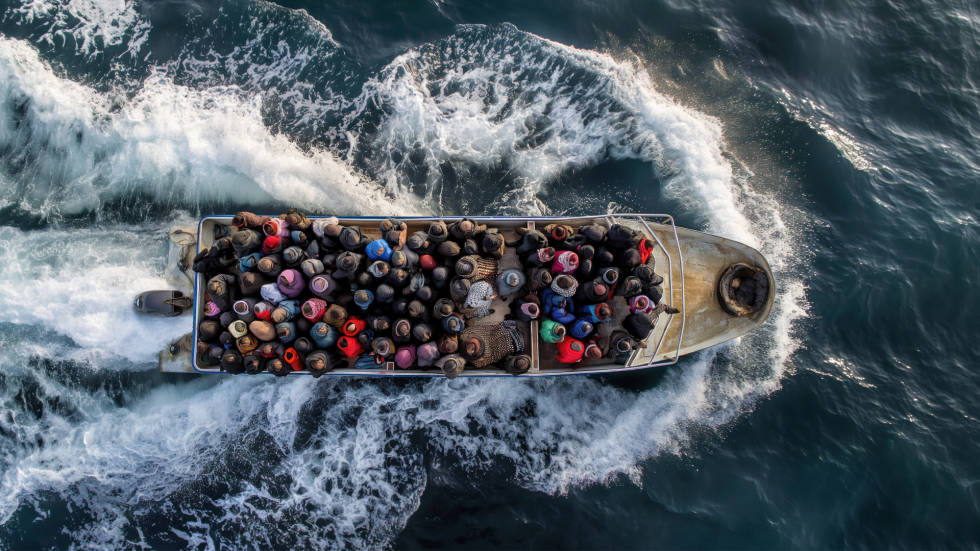
The English Channel has long been a focal point for migrants seeking entry to the UK, often facilitated by traffickers promising a better future. However, the journey is fraught with danger. According to the UK Home Office, over 45,000 individuals crossed the Channel in small boats in 2022, a significant increase from the 28,526 crossings recorded in 2021. Tragically, incidents like the November 2021 disaster, where at least 27 migrants drowned, highlight the deadly risks involved in these crossings (BBC).
Human trafficking syndicates have exploited the growing demand for passage, preying on vulnerable populations and turning migration into a lucrative business. Europol estimates that trafficking networks generate approximately €6 billion annually from smuggling activities across Europe (Europol). For traffickers, the English Channel represents a high-stakes opportunity, with each crossing fetching fees ranging from £3,000 to £6,000 per person.
Germany’s Legal Shift: A Game-Changer
Germany’s decision to criminalize the facilitation of migrant smuggling to the UK is a cornerstone of the new agreement. This legal adjustment aligns German law more closely with international norms, enabling prosecutors to target traffickers with greater precision. It also sends a strong message that European nations are united in their resolve to dismantle trafficking operations.
Previously, gaps in legal frameworks across European jurisdictions created challenges for cross-border collaboration. For instance, traffickers frequently exploited the differences in penalties and enforcement mechanisms between Germany and other countries. With the introduction of this legislation, German authorities have already initiated investigations into over 200 suspected trafficking cases directly linked to Channel crossings in 2023 (Times of India).
Coordinated Raids and Intelligence Sharing
One of the most impactful aspects of the agreement is the commitment to coordinated raids and intelligence sharing. In April 2023, a joint operation involving German and UK authorities dismantled a major trafficking network responsible for smuggling over 500 migrants into the UK. The operation, dubbed “Operation Channel Shield,” resulted in the arrest of 35 individuals, including key ringleaders operating out of Berlin and Calais (The Guardian).
Such successes are driven by real-time information exchange facilitated by Europol’s Joint Operational Team Migrant Smuggling Centre. By pooling resources and expertise, these operations aim to disrupt trafficking networks before migrants are placed in harm’s way.
Addressing Root Causes
While the agreement focuses on immediate enforcement measures, it also acknowledges the importance of addressing the root causes of human trafficking. Poverty, political instability, and lack of opportunity in migrants’ countries of origin are the underlying drivers of irregular migration. For example, a significant proportion of migrants intercepted in the Channel in 2022 originated from Afghanistan, Sudan, and Eritrea—nations grappling with conflict and economic hardship (UK Parliament).
Germany and the UK have pledged to support programs aimed at improving economic conditions in vulnerable regions. For instance, the UK has committed £75 million to the “Migration Partnerships Fund,” which finances development projects in countries like Nigeria and Somalia to reduce migration pressures (Gov.UK). However, experts argue that such initiatives require sustained investment and closer monitoring to ensure their effectiveness.
Humanitarian Concerns
Despite the progress made through this agreement, the humanitarian dimension of the crisis cannot be ignored. Advocacy groups such as Amnesty International have raised concerns about the potential for increased enforcement measures to inadvertently push migrants into even riskier routes. In particular, tighter patrols along the Channel have reportedly led to a rise in attempts to cross via container trucks, a practice fraught with its own dangers (Amnesty International).
To mitigate these risks, the agreement includes provisions for safeguarding the rights of migrants and ensuring access to asylum procedures. Both Germany and the UK have emphasized the importance of balancing security measures with humanitarian obligations, recognizing that migrants are often victims rather than criminals.
A Broader European Context
The collaboration between Germany and the UK is part of a broader European effort to combat human trafficking. The European Union (EU) has also intensified its focus on this issue, with member states implementing measures such as enhanced border controls, improved data-sharing mechanisms, and partnerships with third countries. For instance, in 2023, the EU invested €1.2 billion in its “Anti-Trafficking Action Plan,” which includes training programs for law enforcement agencies and victim support initiatives (European Commission).
However, Brexit has complicated the dynamics of UK-EU cooperation. While the UK is no longer a member of the EU, the need for collaboration on issues like human trafficking transcends political divisions. The agreement with Germany demonstrates that bilateral partnerships can still thrive in the post-Brexit era, setting a precedent for future cooperation between the UK and other European nations.
Real-World Impact: Success Stories and Challenges
The fight against human trafficking is already showing signs of progress. In May 2023, UK authorities intercepted 47 small boats in a single week, rescuing over 1,200 migrants and arresting 18 suspected smugglers (BBC). Similarly, German police disrupted a trafficking operation in Hamburg that used fraudulent visas to smuggle individuals into the UK, leading to 14 arrests and the seizure of significant evidence (Deutsche Welle).
However, challenges remain. Traffickers are highly adaptable, using technology and social media to recruit clients and evade detection. For example, encrypted messaging apps like Telegram are frequently used to advertise smuggling services and coordinate operations. Law enforcement agencies must stay ahead of these tactics, investing in advanced surveillance tools and cybercrime expertise.
Looking Ahead
The agreement between Germany and the UK represents a significant step forward in the fight against human trafficking. By aligning legal frameworks, enhancing intelligence sharing, and coordinating enforcement efforts, the two nations have set a strong example of international cooperation. Yet, this is only the beginning. Addressing the complexities of human trafficking requires a multifaceted approach, combining immediate action with long-term strategies to tackle root causes.
Ultimately, the success of this initiative will be measured not only by the number of traffickers prosecuted but also by the lives saved and the opportunities created for those at risk. As Germany and the UK continue their collaboration, the hope is that their efforts will inspire a broader global response to one of the most pressing humanitarian challenges of our time.
Sources:
- BBC: “Channel crossings surge as traffickers exploit migrants.”
- Europol: “Migrant Smuggling in Europe.”
- Times of India: “Germany, UK collaborate to combat human trafficking.”
- UK Parliament: “Migration Statistics and Analysis.”
- Gov.UK: “UK Migration Partnerships Fund.”
- The Guardian: “Trafficking Ring Dismantled.”
- Deutsche Welle: “Human Trafficking Raids in Germany.”
Published on December 23, 2024




Sign Up to our Newsletter
Join our movement and get the latest updates, stories, and ways to take action, straight to your inbox.