


The Evolution of Human Trafficking
4.7 MIN READ
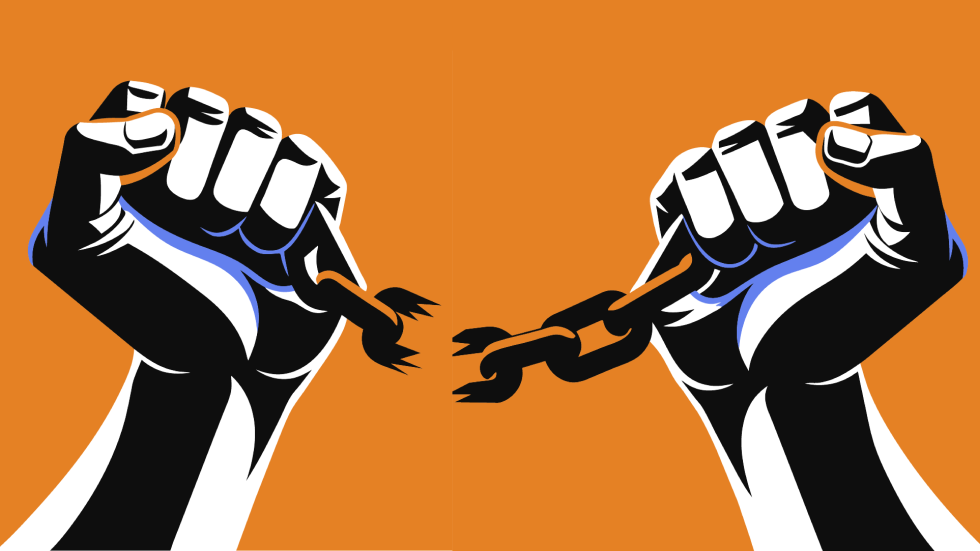
From the Transatlantic Slave Trade to Modern-Day Slavery
Human trafficking, a term that resonates with the darkest facets of human history, has evolved over centuries, adapting to changing socio-economic landscapes. From the harrowing days of the transatlantic slave trade to the clandestine operations of modern-day slavery, this egregious violation of human rights persists, demanding our unwavering attention and action.
The Transatlantic Slave Trade: A Grim Prelude
The transatlantic slave trade, spanning from the 16th to the 19th century, stands as one of history’s most atrocious enterprises. European powers, driven by economic ambitions, orchestrated a vast network that forcibly transported approximately 12.5 million Africans to the Americas. This triangular trade involved shipping manufactured goods from Europe to Africa, exchanging them for enslaved individuals, who were then transported across the Atlantic—the notorious Middle Passage—to labor in plantations, producing commodities like sugar, cotton, and tobacco for European markets.
The Middle Passage epitomized human suffering. Enslaved Africans endured overcrowded, unsanitary conditions aboard ships, leading to a mortality rate of about 15% during the voyage. Those who survived faced relentless exploitation and dehumanization in the New World.
Abolition Movements: A Beacon of Hope
The late 18th and early 19th centuries witnessed burgeoning abolitionist movements. Enlightenment ideals, economic shifts, and relentless advocacy culminated in legislative milestones, such as the British Slave Trade Act of 1807 and the U.S. Emancipation Proclamation of 1863. These efforts dismantled the legal frameworks supporting slavery, yet the undercurrents of human exploitation proved resilient.
Modern-Day Slavery: A Subtle Menace
Despite historical abolition, slavery has metamorphosed into more insidious forms in the contemporary era. The International Labour Organization estimates that approximately 40.3 million people are currently ensnared in modern slavery, encompassing forced labor, debt bondage, human trafficking, and forced marriages.
Global supply chains often mask forced labor, with individuals coerced into working under deplorable conditions in industries ranging from agriculture to manufacturing. Human trafficking networks exploit vulnerable populations, subjecting them to sexual exploitation, involuntary servitude, and organ trafficking. The clandestine nature of these operations complicates detection and eradication efforts.
Comparative Analysis: Then and Now
While the transatlantic slave trade was characterized by its overt brutality and racial subjugation, modern slavery operates covertly, often under the guise of legitimate employment. However, the underlying mechanisms—coercion, exploitation, and the commodification of human lives—remain disturbingly consistent. Both eras reflect systemic inequalities and the pervasive devaluation of certain human lives for economic gain.
The Role of Technology: A Double-Edged Sword
In today’s digital age, technology plays a paradoxical role in human trafficking. On one hand, traffickers exploit online platforms to recruit, advertise, and exploit victims, utilizing encrypted communications and the dark web to evade law enforcement. On the other hand, technology serves as a vital tool for combating trafficking. Data analytics, artificial intelligence, and mobile applications aid in identifying trafficking patterns, supporting victim recovery, and dismantling trafficking networks.
Sustainable Enterprise: A Model for Change
In the relentless pursuit to eradicate modern slavery, organizations like Not For Sale have harnessed the power of sustainable enterprise to foster economic resilience and support vulnerable communities worldwide. By creating social enterprises, Not For Sale provides education, empowerment, and income opportunities, effectively breaking the cycle of exploitation.
Not For Sale collaborates with local experts to understand the root causes of slavery in various regions. They investigate local economies to identify points where the cycle of poverty and exploitation can be disrupted. By partnering with local entrepreneurs, they establish projects that offer education and empowerment, creating sustainable income sources for at-risk populations.
A notable example of their impact is the ‘Girls Surf Too’ program in South Africa and Mozambique, which enrolled numerous girls in 2022, providing them with education and empowerment opportunities. Their children’s shelter in Thailand provides education and care to many local children, and their Vietnamese project, serves thousands of meals, and provides children’s shelters to thousands, addressing immediate needs while fostering long-term resilience.
Through these initiatives, Not For Sale not only addresses the immediate needs of those affected by modern slavery but also implements long-term, scalable solutions that offer dignity, hope, and a positive future. Their approach exemplifies how sustainable enterprise can be a powerful tool in the fight against human trafficking and exploitation.
Global Initiatives and Legal Frameworks
The international community has instituted various protocols to combat modern slavery. The United Nations’ Palermo Protocol (2000) provides a comprehensive framework to prevent, suppress, and punish trafficking in persons. Additionally, numerous countries have enacted legislation criminalizing human trafficking and supporting victim rehabilitation. However, enforcement remains inconsistent, and challenges such as corruption, inadequate resources, and lack of awareness impede progress.
The Path Forward: Collective Responsibility
Eradicating modern slavery necessitates a multifaceted approach:
- Legislative Enforcement: Strengthening and uniformly enforcing anti-trafficking laws globally.
- Public Awareness: Educating communities to recognize and report signs of trafficking.
- Economic Empowerment: Addressing root causes like poverty and lack of education that render individuals vulnerable to exploitation.
- Technological Innovation: Leveraging technology to detect and prevent trafficking activities.
- Corporate Accountability: Ensuring businesses audit their supply chains to eliminate forced labor.
A Call to Action
The persistence of human trafficking from the transatlantic slave trade to modern-day slavery underscores the enduring capacity for human cruelty. Yet, it also highlights the resilience of the human spirit and the collective power of advocacy and reform. By confronting this issue with unwavering determination and innovative strategies, we can aspire to consign human trafficking to the annals of history, ensuring freedom and dignity for all.
Sources:
- International Labour Organization. “Forced labour, modern slavery and human trafficking.” ILO
- United Nations Office on Drugs and Crime. “Human Trafficking.” UNODC
- Anti-Slavery International. “What is modern slavery?” Anti-Slavery
- Not For Sale Campaign. “About Us.” Not For Sale
Published on February 12, 2025



Sign Up to our Newsletter
Join our movement and get the latest updates, stories, and ways to take action, straight to your inbox.