

How environmental change is fuelling modern slavery, and how to stamp it out
5.3 MIN READ
Environmental change only scratches the surface of the damage destroying the Peruvian Amazon. Indigenous peoples living in river floodplains face constant risk of unsettlement with growing risks from climate change.
Deforestation or the extraction of minerals and metals sees illicit greed soar, which further exacerbates the criminal need for additional workers, all going unpaid.
All of these circumstances – caused by nature or people – cause havoc with Amazonian communities. This is why these intrinsic links between people and planet need to be acknowledged and nurtured wherever possible.
Environment and exploitation are also knitted tightly, with the balance shifting from both sides of the equation. This is the story of two people taking action for themselves, those around them, and the planet; fighting others who work solely for their own gain.
Ricardo and Not For Sale Peru
Peru has the second-biggest share of the Amazon Rainforest after Brazil. Here, modern slavery thrives if it goes unchecked.
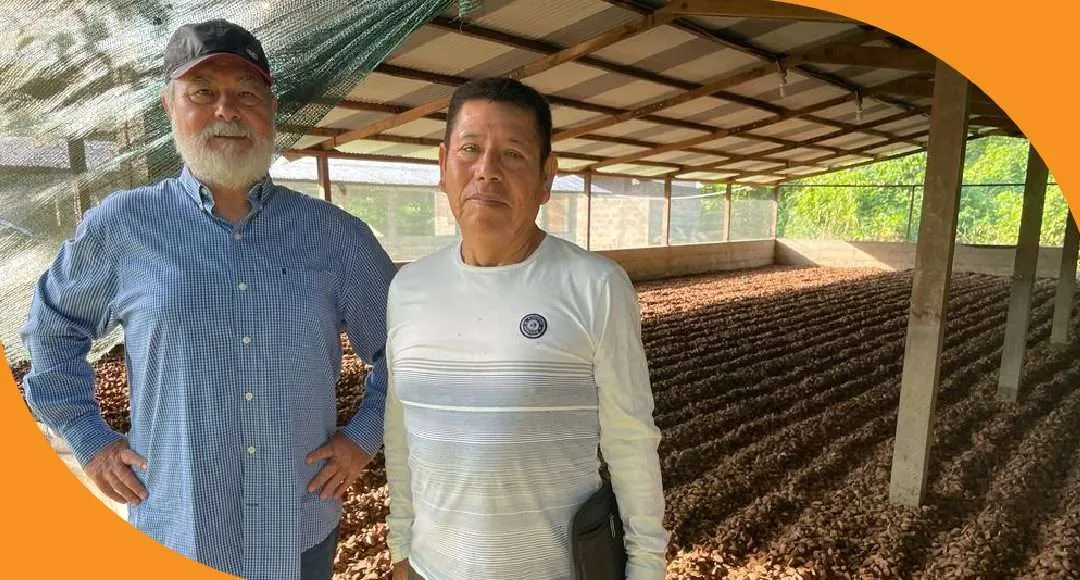
The story of Not For Sale Peru starts with the man that’s now its CEO – Ricardo. From a background in relationship-building with indigenous communities, he’s also gained years of experience working in engagements with the Peruvian national government.
Not For Sale has known Ricardo for almost two decades. Through that time, he’s been continually managing large projects for USAID and Germany’s equivalent organization. His work has included economic capacity building and training for the indigenous communities in the Amazon.
Ricardo has been the main conduit to the indigenous communities in Madre de Dios – south-eastern Peru’s Amazon Basin, bordering Brazil and Bolivia. It was Ricardo who helped identify Martin, one of the region’s indigenous leaders.
This introduction was the catalyst for impact that transcends communities. It’s a source of work that has since grown to continually benefit both cultural and environmental change for the future.
Surviving indentured servitude and exploitation: Martin’s story
“When we met Martin, he was a leader of 10 different communities, some of which were part co-operating with each other, while some still faced relational friction,” explains Mark Wexler, co-founder of Not For Sale.
“In the past, Martin would go out and harvest Brazil nuts in order to try and sell them into marketplaces. He was being given illegal loans, along with other members of the indigenous communities, which were really meant to get him caught into a cycle of debt that he would never be able to pay off.
“When he couldn’t pay off that debt, he had to go and work in the illegal gold mines, and illegal timber operations. He was clear cutting the forest, which highlights the ultimate sense of irony…
“That irony being someone who’s in a form of indentured servitude was also the one who’s being forced to clear the forest and pollute the waterways. This pollution came from mercury, used to separate the gold from the other minerals and metals in the mine.”
Driving environmental change to overcome modern slavery
The link between people and planet is often overlooked, but has never been more apparent in its symbiotic relationship. This is more than just an overlap. The direct correlation between damage from environmental change and human exploitation is clear to see.
While forced to harvest natural resources and act as a cog in the wheel that was destroying his home, Martin also faced personal abuse and witnessed further slavery and the sexual exploitation of vulnerable girls as part of the operation.
“Martin, when we first met him, didn’t realise that he was in indentured servitude,” continues Mark. “He just thought he’d taken on a debt, but didn’t realise that it was illegal. It was many years later that he came to that realisation by learning more about human trafficking and forced labor, understanding the complexities of all this.
“The first time that David Batstone and I were in the Amazon with him, we hiked out to a tree producing Brazil nuts. It was about two hours each way. There, he told us: ‘You don’t know it but, when we first met, I was in indentured servitude.’ He shared this with us in a sharing circle. Ricardo was there, too. It was pretty amazing.”
Thriving as a community leader against environmental change and criminality
Realizing and understanding the complexities of exploitation is one thing, but escaping that vulnerability is another. Martin not only found his way to freedom, but continued to walk a path as a born leader for the benefit of everyone around him.
“It was Ricardo, through conversation with Martin, who advised that the best way forward for everyone’s mutual benefit,” explains Mark. “The communities had to organize and work together.
“That’s when both Ricardo and Martin approached Not For Sale to help seed fund what is now AFIMAD – The Indigenous Forestry Association of Madre de Dios. It’s a co-op that collects products such as Brazil nuts.”
This sustainable collection, transformation, and marketing of Amazon nuts and derived products, are sold directly to national and international markets. AFIMAD also offers its members training and Fairtrade certification. This support ensures that both the Amazon and the individuals involved in harvesting activities can thrive.
“Martin is incredible,” says Mark. “He’s now the leader of AFIMAD, empowering local communities and continuing to build out its capacity and strength, all from overcoming an exploited background.”
Identifying communities to offer help where it’s needed most
“Today, both Martin and Ricardo identify different communities who need the most charitable assistance,” Mark continues. “Some are further along in their journey than others.
“For example, school funding and building… Some communities already had a school from community help or government assistance. The ones who needed it the most raised it with Martin, and then Ricardo, so that Not For Sale Peru can help build them.
“Their stories are intertwined, and Not For Sale Peru could not exist without either of them.”
Collaboration and education are key to stamping out detrimental environmental change and the exploitation that comes as a result of it. Through Not For Sale’s work linking indigenous peoples and business impact for good, everything improves for both people and planet alike.
• Support Not For Sale and you’re supporting communities around the world to fight modern slavery and climate change.
Published on April 17, 2025

Sign Up to our Newsletter
Join our movement and get the latest updates, stories, and ways to take action, straight to your inbox.