


Ecocide: The Growing Campaign to Make Severe Environmental Destruction an International Crime
6.2 MIN READ
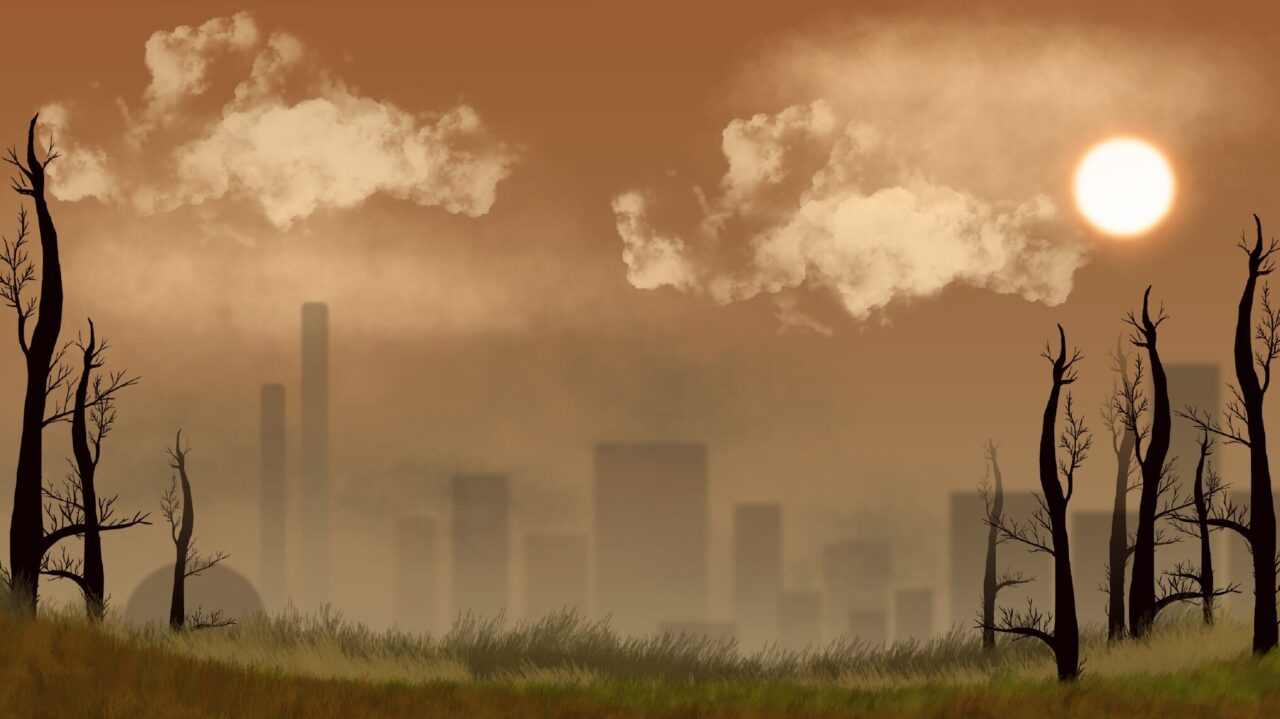
Legal scholars, small island nations and environmental advocates are pressing for “ecocide” to be recognised alongside genocide and war crimes under international law, a move supporters say could reshape accountability for environmental harm.
Calls to recognise ecocide as an international crime are gaining renewed political and legal attention, as governments and campaigners argue that existing environmental protections struggle to address large-scale ecological damage that crosses borders and generations.
The term refers broadly to severe or widespread destruction of ecosystems. Advocates want it added to the list of offences prosecuted by the International Criminal Court (ICC), placing it alongside genocide, crimes against humanity, war crimes and the crime of aggression.
Supporters say the proposal reflects growing concern about climate change, biodiversity loss and industrial disasters whose consequences can extend far beyond national jurisdictions.
What ecocide means in legal terms
The modern legal campaign traces much of its momentum to environmental lawyer Polly Higgins, who argued before her death in 2019 that environmental destruction should carry personal criminal liability for decision-makers responsible for major harm.
In 2021, an independent panel of international lawyers convened by the Stop Ecocide Foundation proposed a draft legal definition intended as a basis for international negotiations. The panel described ecocide as unlawful or reckless acts committed with knowledge that there is a substantial likelihood of severe and widespread or long-term environmental damage.
Supporters argue that criminal liability at an international level could deter harmful practices by targeting senior executives and political leaders rather than relying solely on corporate fines or domestic regulation.
However, legal experts note that agreeing on definitions remains complex. Terms such as “severe”, “widespread” and “long-term” would need careful interpretation to avoid uncertainty or unintended consequences.
Momentum among vulnerable nations
Some of the strongest backing has come from countries particularly exposed to climate impacts.
Pacific island states including Vanuatu and Samoa have supported discussions about strengthening international environmental accountability, arguing that rising sea levels and ecosystem degradation present existential risks.
Several European countries have also explored the concept in domestic legislation or policy debates. Belgium has examined incorporating ecocide into national criminal law, while environmental crimes have been addressed more broadly within European Union reforms targeting serious environmental offences.
Advocates say national initiatives could build momentum toward international agreement, although any amendment to the ICC’s founding treaty, the Rome Statute, would require approval by member states and later ratification.
That process is widely viewed as lengthy and politically sensitive.
Why campaigners say existing laws fall short
Environmental destruction is already regulated through a patchwork of national laws and international agreements. These include treaties governing pollution, wildlife protection and hazardous waste.
Campaigners argue that enforcement gaps remain, particularly where environmental harm occurs during armed conflict or involves multinational corporations operating across jurisdictions.
Recent global conflicts and industrial incidents have intensified debate about accountability. Damage to ecosystems during warfare, deforestation linked to commodity supply chains and large-scale pollution events are frequently cited by advocates as examples where responsibility can be difficult to pursue across borders.
Critics, however, question whether a new international crime would be practical or effective. Some legal scholars warn that prosecutions could be difficult to prove and politically contentious, particularly when economic development or energy security interests are involved.
Others argue that stronger enforcement of existing environmental agreements may be more achievable than negotiating a new criminal category.
Human rights and environmental protection
The discussion around ecocide increasingly overlaps with human rights law. Environmental degradation can affect access to food, water and housing, particularly for communities dependent on land or marine ecosystems.
Human-rights organisations have argued that environmental harm disproportionately affects vulnerable populations, including Indigenous communities and people living in low-lying coastal regions.
At the same time, governments remain cautious about how criminal liability might interact with economic policy decisions, infrastructure projects or energy transitions.
Legal analysts say balancing environmental protection with development priorities is likely to remain a central challenge if negotiations advance.
What happens next
For ecocide to become an international crime, ICC member states would need to formally propose and adopt an amendment to the Rome Statute. Approval would require broad diplomatic consensus, followed by ratification within individual countries before prosecutions could occur.
Some governments and advocacy groups continue to lobby for formal discussions within international forums, while others favour incremental reforms at national or regional levels.
Whether ecocide ultimately becomes part of international criminal law remains uncertain. But the growing debate reflects a wider shift in how environmental harm is understood, not only as a regulatory issue, but as a question of global responsibility and justice.
FAQs
What is ecocide?
Ecocide refers to severe and widespread destruction of ecosystems caused by human activity. The term is increasingly used by legal scholars and environmental advocates who want large-scale environmental damage to be recognised as an international crime under global law.
Is ecocide currently a crime under international law?
No. Ecocide is not currently recognised as a crime under international law. Supporters are campaigning for it to be added to the list of offences prosecuted by the International Criminal Court (ICC), alongside genocide, war crimes, crimes against humanity and the crime of aggression.
What would make an act qualify as ecocide?
Proposed legal definitions suggest ecocide would involve unlawful or reckless acts committed with knowledge that they could cause severe, widespread or long-term damage to the environment. The exact legal thresholds are still being debated among international legal experts.
Who could be prosecuted if ecocide became an international crime?
If adopted under the International Criminal Court framework, prosecutions could target individuals responsible for major environmental harm. This could include political leaders, military officials or corporate executives whose decisions led to large-scale ecological destruction.
Why do campaigners believe a new law is needed?
Supporters argue that existing environmental regulations often rely on national enforcement and financial penalties for companies. They believe recognising ecocide as an international crime could strengthen accountability by allowing criminal prosecution of individuals responsible for serious environmental damage.
Which countries support recognising ecocide as an international crime?
Support has been particularly strong among countries vulnerable to climate impacts, including several Pacific island nations such as Vanuatu and Samoa. Some European countries have also explored the concept through domestic environmental legislation or policy debates.
What challenges could prevent ecocide from becoming international law?
Legal experts note several obstacles, including defining key terms like “severe” or “long-term” damage and securing international political agreement. Amending the International Criminal Court’s Rome Statute would require approval and ratification from many member states.
How is ecocide connected to human rights?
Environmental destruction can directly affect access to food, water, housing and livelihoods. Human-rights organisations increasingly argue that large-scale ecological damage can threaten fundamental human rights, particularly for Indigenous communities and people living in vulnerable regions.
Could ecocide laws affect businesses and governments?
Potentially. If recognised internationally, ecocide laws could influence how governments approve major infrastructure or resource projects and how corporations manage environmental risk. Advocates say the goal would be to deter reckless environmental harm.
When could ecocide become an international crime?
There is currently no confirmed timeline. For ecocide to become part of international criminal law, countries that are members of the International Criminal Court would need to formally adopt and ratify an amendment to the Rome Statute.
Sources:
https://www.theguardian.com/environment/2025/may/28/what-is-ecocide-and-could-it-become-a-under-international-law?fbclid=PAVERFWAQG79NleHRuA2FlbQIxMQBzcnRjBmFwcF9pZA8xMjQwMjQ1NzQyODc0MTQAAafqNfwB-NmpEz_P7QonfwrF3XsZifOFY2WFQk9U8LR7Bb5QLpy7QFByA-R3gA_
Published on March 5, 2026


Sign Up to our Newsletter
Join our movement and get the latest updates, stories, and ways to take action, straight to your inbox.