


Deadly Disease in Congo Sparks Urgent Global Concern
4.1 MIN READ
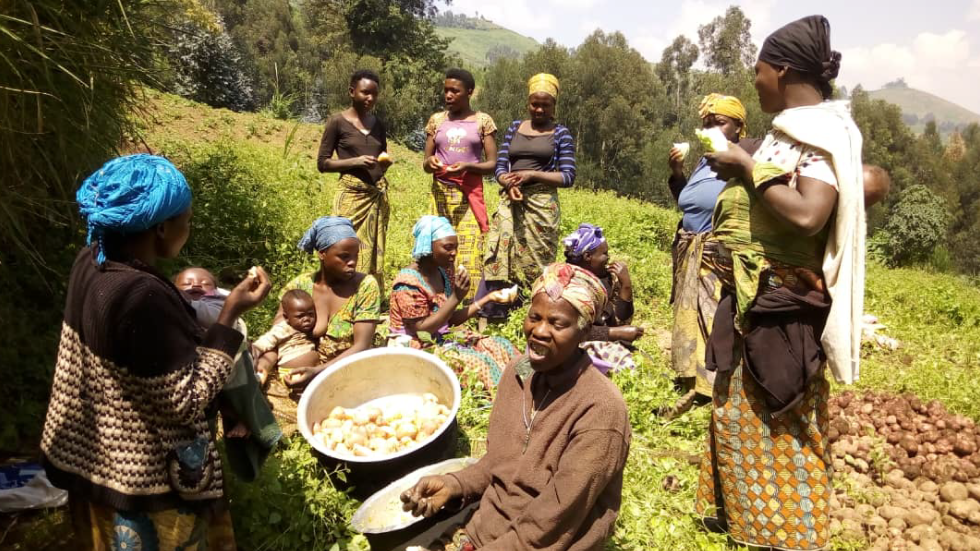
A New Health Crisis Emerges in the Democratic Republic of the Congo
The Democratic Republic of the Congo (DRC) is facing a new and terrifying health crisis as an unknown disease has reportedly claimed 53 lives in a matter of days. According to a report from The Washington Post (source), the outbreak appears to have originated in a village where three children fell ill and died after consuming a bat carcass. Symptoms of the disease, including hemorrhagic fever, resemble those of Ebola and Marburg viruses, prompting fears of a highly infectious and lethal pathogen. The World Health Organization (WHO) and local authorities are scrambling to identify the cause and contain the spread before it escalates into a full-blown epidemic (source).
Furthermore, this outbreak underscores the urgent need for improved healthcare infrastructure, rapid response mechanisms, and sustainable interventions in regions already plagued by political instability, poverty, and ongoing conflicts. It also raises alarms about the broader implications of zoonotic diseases—those that jump from animals to humans—a growing concern in the era of climate change and environmental degradation.
The Overlap Between Disease Spread and Humanitarian Crises
Importantly, this outbreak is not occurring in isolation. The DRC, particularly its eastern region, has been ravaged by conflict, displacement, and poverty for decades. The recent escalation of violence, including the M23 Rebel group’s takeover of the city of Goma, has left thousands dead and even more displaced. In times of war, health crises are exacerbated by poor sanitation, malnutrition, and the breakdown of medical systems.
Ntakamaze “TK” Nziyonvira, the CEO of CIYOTA, a Ugandan-based refugee-led organization (source), has been working on the frontlines of this crisis. In a recent discussion, he highlighted the intersection of war, disease outbreaks, and human trafficking. His organization, in partnership with Not For Sale (source), has been actively supporting refugees fleeing the DRC into Uganda, providing them with education, shelter, and vocational training.
TK notes that “diseases spread faster in conditions where people are forced to flee, live in overcrowded camps, and lack access to clean water and medical services.” The deadly mystery disease further compounds the vulnerabilities of these displaced populations, increasing the risk of both human trafficking and the exploitation of desperate families seeking safety.
To gain deeper insight into the ongoing crisis and the work being done to mitigate its effects, watch this discussion between TK and Mark Wexler, co-founder of Not For Sale: Watch the full interview here.
Addressing the Root Causes: Environmental and Humanitarian Interventions
One critical factor in the emergence of such diseases is the destruction of ecosystems. The DRC is home to vast rainforests and diverse wildlife, but deforestation and illegal hunting have brought humans into closer contact with disease-carrying animals. The likely transmission of this illness through bat consumption highlights the pressing need for conservation and sustainable food alternatives.
Organizations like Not For Sale and CIYOTA are advocating for holistic solutions that address both the humanitarian and environmental crises at play. Their work focuses on:
Education & Awareness: Teaching communities about the dangers of consuming wild animals and promoting safe, sustainable food sources.
Refugee Support & Anti-Trafficking Efforts: Providing safe havens, job training, and education to displaced populations, reducing their vulnerability to exploitation.
Strengthening Healthcare Infrastructure: Advocating for increased investment in local health systems to improve outbreak response and disease prevention.
Environmental Protection: Supporting sustainable development projects that reduce human encroachment on wildlife habitats.
What Needs to Happen Next?
While international organizations and the DRC government are investigating the outbreak, immediate and long-term solutions must be implemented to prevent future crises:
Swift Disease Identification and Containment – The WHO and research institutions must expedite efforts to diagnose this illness and develop effective containment measures.
Increased Funding for Healthcare in Crisis Zones – More investment is needed to build healthcare facilities that can handle outbreaks before they spiral out of control.
Stronger Coordination Between Humanitarian and Health Organizations – NGOs like Not For Sale, working at the intersection of human rights and public health, must be included in disease mitigation strategies.
Sustainable Economic Alternatives for At-Risk Communities – Efforts to reduce reliance on bushmeat and support local economies will help decrease zoonotic disease transmission risks.
A Wake-Up Call for the Global Community
The DRC’s deadly outbreak is a stark reminder of the intricate links between health crises, conflict, and environmental destruction. This is not just a Congolese problem—it is a global issue requiring coordinated international action. The work of organizations like CIYOTA and Not For Sale is more crucial than ever in providing immediate aid and addressing the root causes that allow such deadly diseases to thrive.
As the world watches and waits for more information on the nature of this mysterious disease, it is clear that urgent and strategic action is needed—not just to contain this outbreak, but to prevent future ones. Investing in healthcare, refugee protection, and sustainable development is not only a moral imperative but a necessary step toward safeguarding global health and security.
Published on February 26, 2025

Sign Up to our Newsletter
Join our movement and get the latest updates, stories, and ways to take action, straight to your inbox.