

Child labor and the hidden reality of everyday exploitation
3 MIN READ
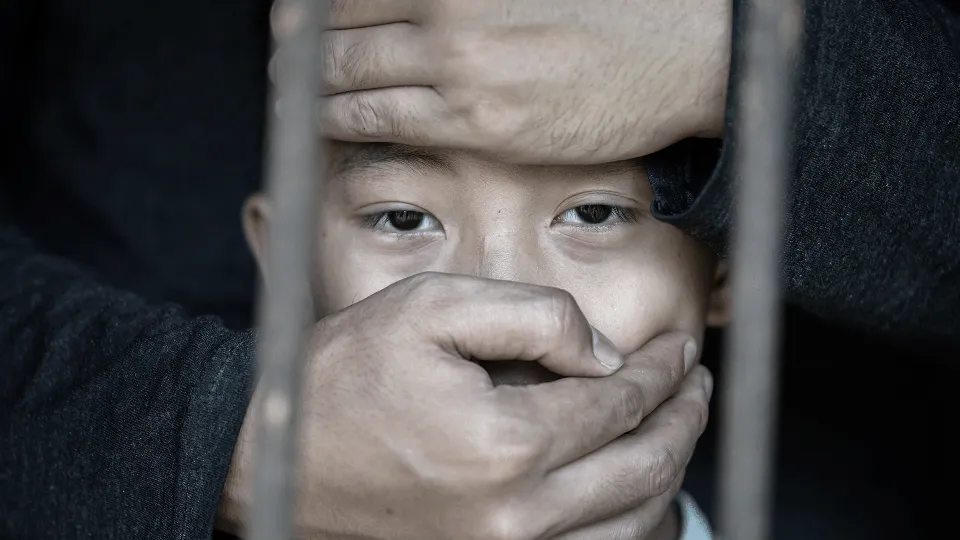
Many people think of child labor as a relic of history – something confined to dusty textbook chapters or distant corners of the world. But child labor is very much alive in the modern era.
From the cocoa in our chocolate to the fast fashion we wear, children are being exploited within global supply chains. And in many cases, the signs are hiding in plain sight.
The International Labour Organization estimates that 160 million children are trapped in child labor around the world. That’s nearly 1 in 10 children globally. Despite efforts to eliminate it, the numbers have risen in recent years due to conflict, economic instability, and climate-driven migration.
The origin story: A dinner that changed everything
Not For Sale was founded because of a moment just like this – where exploitation hid in plain sight. Co-founder David Batstone discovered that his favorite Indian restaurant in San Francisco was using trafficked labor to operate. What began as an everyday dining experience quickly became a call to action.
This story, featured in the Not For Sale book, marked the beginning of a movement to confront modern slavery, including child labor, by addressing the systems that allow it to flourish. It reminds us that the signs are often there – we just need to learn to see them.
Where child labor hides today
Child labor today doesn’t always look like children working in fields or factories. It includes:
- Cocoa farms in West Africa where children harvest beans under hazardous conditions.
- Fast fashion factories, where young workers produce cheap garments with no legal protections.
- Illegal sex trades and trafficking rings, often after being sold by their own family members.
- Mining for cobalt and other rare minerals used in smartphones and electric vehicles.
- Domestic work, hidden inside homes, where children perform long hours without education or rest.
Many of these children are denied basic rights: education, safety, and a chance at a childhood. And often, the products they help create end up in our homes.
How to spot the signs and take action
You might not see child labor firsthand. But you can spot the systems that support it – and disrupt them. Here’s how:
- Check labels and certifications. Look for products that are Fair Trade, Rainforest Alliance, or B Corp certified.
- Research the brands you buy from. Many companies publish transparency reports on their labor practices. Support those that prioritize ethical sourcing.
- Speak up. Contact companies directly and ask about their supply chains. Your voice as a consumer has power.
- Support organizations working on the frontlines. Not For Sale partners with and seed funds enterprises that create safe, sustainable employment and prevent child exploitation, often directly saving vulnerable people from exploitation
- Educate others. Share articles, films, and stories that uncover the realities of child labor. Awareness leads to action. Forward this article to someone that you think would benefit from it.
Enterprise with a purpose
At Not For Sale, we believe the solution to child labor isn’t charity – it’s opportunity. That’s why we support enterprises that create dignified work for adults in vulnerable communities. When parents can earn a living wage, children can go to school. When local economies are strong, child exploitation declines.
This World Day Against Child Labor, ask yourself: What am I wearing, eating, or using – and who made it? The answers matter. Because child labor doesn’t hide in the shadows. It hides in plain sight.
Let’s open our eyes and take action together – support Not For Sale.
Published on June 11, 2025

Sign Up to our Newsletter
Join our movement and get the latest updates, stories, and ways to take action, straight to your inbox.