


Breaking Legal Ground: UK Court Forces Foreign State to Compensate a Trafficking Victim
5.6 MIN READ
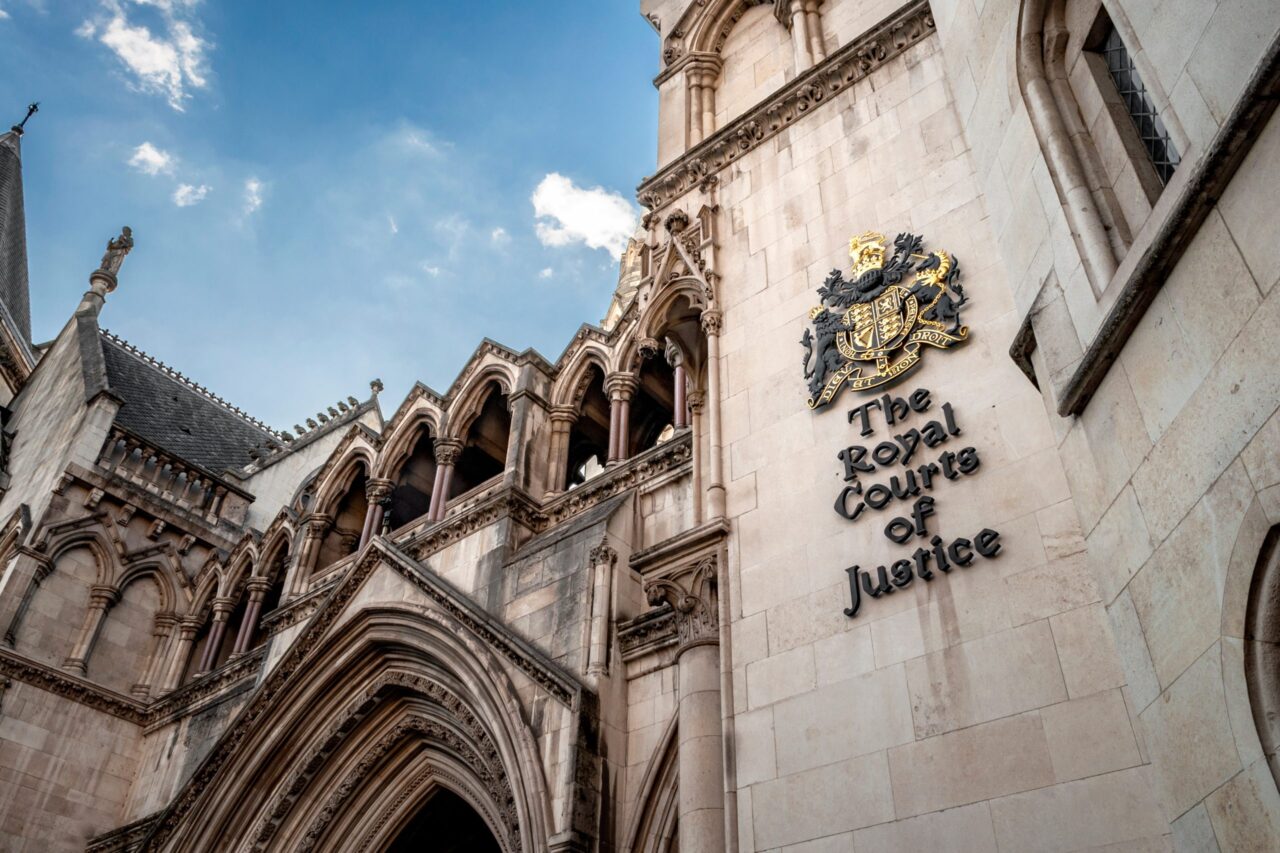
A landmark ruling signals a shift in accountability for state-sponsored exploitation, raising hope for labour justice.
In a legal development with far-reaching implications, the United Kingdom’s High Court has ordered the United Arab Emirates (UAE) to pay more than £260,000 in compensation to a survivor of human trafficking who was exploited by a UAE diplomat in London. The judgment, delivered in January 2026, is being hailed by lawyers as unprecedented, marking what many legal experts describe as the first time a domestic court has held a foreign state financially responsible for the actions of its diplomatic agent involving modern slavery on British soil.
The case unfolded against a backdrop of powerful legal and human rights questions: Can sovereign immunity shield states from civil liability for abuse committed by their representatives abroad? Should courts step into the often opaque world of diplomatic employment practices? This ruling suggests the answers are moving decisively in favour of victims and survivors, and signals a new chapter in global accountability for labour exploitation.
A Story of Exploitation and Escape
The victim, a 35-year-old woman of Filipino heritage, was recruited in 2012 to work for a UAE diplomatic family. She initially took up employment in the Emirates with the expectation of fair wages and humane conditions, but what followed was far from it. In February 2013, she was brought to London with the diplomat and his family and found herself confined to their flat, isolated and forced to work upwards of 17 hours per day without regular rest, proper food, or meaningful freedom of movement.
Most shockingly, she was not allowed to leave the apartment alone, her communications were strictly limited, and her passport was withheld. With no social network or support system in the UK, she was trapped until a rare lapse in supervision provided her the opportunity to escape after 89 days of confinement.
This harrowing experience goes beyond mistreatment; it fits within the internationally accepted definition of human trafficking and modern slavery, where coercion, forced labour and restricted freedom of movement are central. The UK Home Office officially recognised her as a trafficking victim in 2014, and she was granted leave to remain in the UK in 2015.
The High Court’s Ruling — What It Means
In its decision, the High Court awarded £262,292.76 in damages, accounting for several elements of harm: false imprisonment, injury to feelings, personal injury (including a diagnosis of post-traumatic stress disorder), and exemplary damages designed to punish egregious conduct rather than simply compensate loss.
The judge’s reasoning was notable for its clarity and moral force. He described the case as “modern slavery” and stated that the diplomat’s conduct displayed a “cynical disregard” for the rights and dignity of the worker. The punitive element of the damages is especially significant: rather than merely addressing the harms suffered by the survivor, the court emphasised that such abuses must be met with tangible legal consequences to deter similar conduct in the future.
Crucially, the court did not shy away from piercing the veil of diplomatic privilege. While diplomats enjoy certain immunities under international law, the High Court’s decision underscores that civil accountability for egregious personal conduct can extend to the state itself, especially where human rights violations are concerned and diplomatic immunity would otherwise permit impunity.
Voices from the Legal Community
Representing the survivor, solicitor Zubier Yazdani described the ruling as “a welcome decision” that advances accountability and sends a clear message to states that they cannot sidestep responsibility when their emissaries exploit vulnerable workers. He emphasised the particular vulnerability of domestic workers in diplomatic households, a group that has repeatedly been targeted for exploitation due to legal and practical barriers to seeking justice.
Legal commentators have highlighted the broader implications. By allowing a foreign state to be brought into a domestic civil court, and to be ordered to pay damages, the UK judiciary is signalling that the monumental legal shield of sovereign immunity is not absolute when weighed against fundamental human rights and the rule of law.
A Wider Pattern of Abuse?
Although this case is unprecedented in its legal outcome, it is not an isolated incident in terms of reported abuses involving diplomatic households. In previous years, organisations focusing on migrant domestic workers’ rights have brought attention to similar patterns where staff brought to the UK by diplomats faced coercion, withheld documents, long working hours, and little recourse to justice. These parallel reports, while not always resulting in court action, have underscored systemic gaps in protection for a particularly vulnerable workforce.
Diplomatic employment programmes that grant domestic worker visas often restrict workers to employment within the mission, making it legally and practically difficult for them to change jobs or seek help. Critics argue that this dependence creates fertile ground for exploitation. While the law aims to balance diplomatic relations with workers’ rights, cases like this one expose the human cost of legal and institutional blind spots.
Why This Matters: Legal and Human Rights Impacts
This ruling carries importance on multiple fronts:
1. Empowering Survivors: It reinforces the principle that victims of trafficking have legal avenues for redress, even when the perpetrator is connected to a sovereign state.
2. Challenging Immunity Doctrine: While diplomatic immunity is a cornerstone of international relations, this judgment indicates that civil liability will not be entirely blocked when rights violations are serious and well-documented.
3. Setting a Precedent: Lawyers anticipate that this decision could pave the way for future claims by domestic workers and other exploited populations, especially where states have previously assumed they could avoid accountability.
4. Encouraging Policy Reform: The case may energise calls for better protections for migrant domestic workers, both at the legal level and through diplomatic employment visa reforms.
Looking Ahead
The UAE did not participate in the proceedings, a choice that, according to legal observers, may reflect a broader reluctance by states to engage with civil claims emanating from allegations of trafficking and labour abuse. How this ruling influences diplomatic engagement or sets a norm for state responsibility remains to be seen.
For the survivor at the centre of this case, the damages awarded represent more than financial compensation, they symbolise a hard-fought assertion of dignity and justice against a backdrop of exploitation and power imbalance. Her case stands as a reminder that the law can be a tool of empowerment when it meets the urgency of human rights violations with courage and clarity.
As the international community continues to grapple with modern slavery in all its forms, legal milestones like this offer a blueprint, showing that even powerful states can be held to account, and that justice, though delayed, can still be pursued with resolve.
Source: Based on reporting by The Guardian, published on 22 January 2026. Read the original story here: https://www.theguardian.com/law/2026/jan/22/uae-ordered-to-pay-260000-to-trafficking-victim-exploited-by-diplomat-in-london.
Published on February 5, 2026



Sign Up to our Newsletter
Join our movement and get the latest updates, stories, and ways to take action, straight to your inbox.