


Addressing Domestic Worker Exploitation in Rwanda
3.7 MIN READ
Understanding the Global Plight of Domestic Workers
The tragic deaths of domestic workers in Saudi Arabia have cast a spotlight on the pervasive issues of human trafficking and modern slavery. These incidents are not isolated but are symptomatic of systemic exploitation faced by migrant workers worldwide. The mechanisms enabling such exploitation are complex, involving deceptive recruitment practices, restrictive employment systems like the kafala system, and inadequate legal protections.
The Kafala System: A Framework for Abuse
Central to the exploitation of migrant workers in several Middle Eastern countries is the kafala system. This sponsorship system ties workers’ legal residency and work status to their employer, known as the kafeel (sponsor). The system grants employers significant control over their employees’ mobility and employment, often resulting in abusive conditions:
Employer Control: Employers can confiscate workers’ passports and restrict their freedom to leave the country or change jobs.
Limited Legal Recourse: Workers have minimal legal protections, making it difficult to report or escape abuse.
Forced Labor: The system often traps workers in exploitative conditions, equating to modern-day slavery.
While some countries have implemented reforms to ease these restrictions, implementation gaps persist, allowing exploitation to continue. The kafala system’s oppressive structure significantly contributes to human trafficking, making it crucial to understand and dismantle such frameworks to combat modern slavery.
Root Causes of Vulnerability Among Rwandan Women and Children
In Rwanda, several socio-economic and cultural factors contribute to the vulnerability of women and children to exploitation:
Poverty: Economic hardship drives individuals to seek employment opportunities, sometimes leading them into exploitative situations (onlinesciencepublishing.com).
Traditional Family Structures: In Rwandan culture, the eldest daughter often assumes significant responsibilities, including contributing to the family’s income. This expectation can pressure young women to accept precarious employment, increasing their risk of exploitation (globalizationpartners.com).
Gender Inequality: Deep-seated gender norms can limit women’s access to education and economic opportunities, making them more susceptible to exploitative labor and human trafficking (onlinelibrary.wiley.com).
Orphanhood and Family Disruption: The aftermath of the 1994 genocide left many children orphaned or separated from their families, heightening their vulnerability to abuse and exploitation (hrw.org).
The Role of Education in Combating Exploitation
Education emerges as a pivotal tool in the fight against human trafficking and modern slavery. By empowering individuals with knowledge about their rights and the tactics employed by traffickers, education can serve as a preventive measure against exploitation (humantraffickingsearch.org).
Not For Sale’s Commitment to Education and Prevention
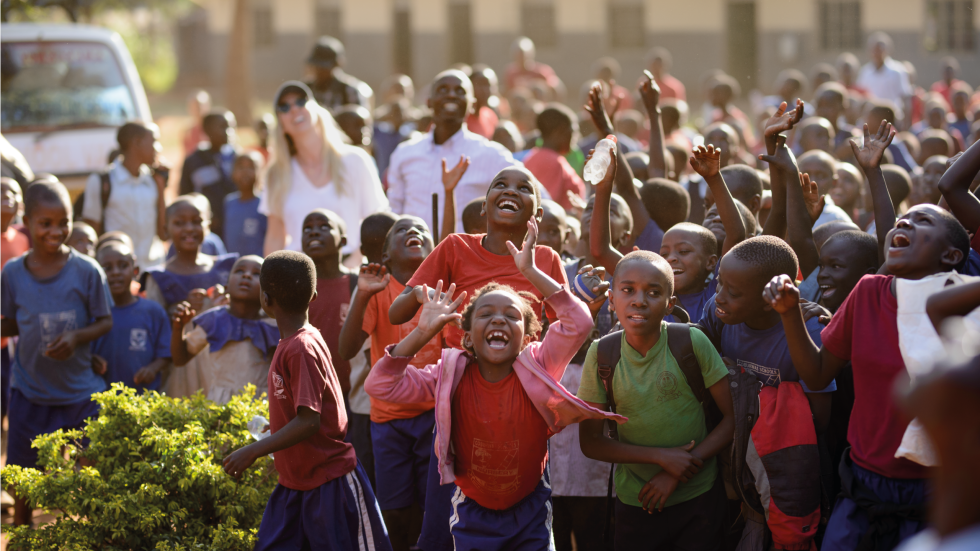
At Not For Sale, we recognize the transformative power of education in safeguarding vulnerable communities. Our initiatives in Rwanda are tailored to address the unique challenges faced by rural populations:
Community Workshops: We conduct interactive sessions that educate community members about the risks of human trafficking, the importance of legal employment channels, and strategies to identify and avoid deceptive practices.
School Programs: By integrating human rights education into school curricula, we aim to instill awareness from a young age, fostering a generation resilient to exploitation.
Vocational Training: Providing alternative livelihood opportunities through skill development reduces the economic vulnerabilities that traffickers often exploit.
Survivor Support: A Pillar of Rehabilitation
Recognizing that prevention alone is insufficient, WeAreNotForSale.org places significant emphasis on supporting survivors of exploitation:
Comprehensive Care: We offer medical, psychological, and social support to help survivors heal and reintegrate into society.
Legal Assistance: Our organization provides legal aid to survivors, ensuring they can seek justice and that perpetrators are held accountable.
Economic Empowerment: Through microfinance programs and entrepreneurship training, we empower survivors to rebuild their lives and achieve financial independence.
The Global Responsibility: A Call to Action
The exploitation of domestic workers and the prevalence of modern slavery are global issues that transcend borders. It is incumbent upon the international community to:
- Promote Ethical Recruitment: Ensure that recruitment agencies operate transparently and uphold the rights of workers.
- Demand Corporate Accountability: Encourage businesses to adopt fair labor practices and scrutinize their supply chains for potential exploitation.
- Foster International Cooperation: Strengthen cross-border collaborations to dismantle trafficking networks and protect vulnerable populations.
Empowerment Through Education
The harrowing accounts of domestic worker exploitation serve as a stark reminder of the work that remains in combating modern slavery. By prioritizing education and community engagement, organizations like Not For Sale are making strides toward a world where every individual can pursue their livelihood free from fear and coercion. Together, through informed action and unwavering commitment, we can illuminate the path to freedom for all. Learn more about our
Published on March 19, 2025



Sign Up to our Newsletter
Join our movement and get the latest updates, stories, and ways to take action, straight to your inbox.