The global economy runs on minerals we are not allowed to see
Cobalt powers your phone, your car, and the energy transition. It also hides forced labor and the destruction of forests and rivers. Tracing it, from mine to market, is how both finally come into the light.


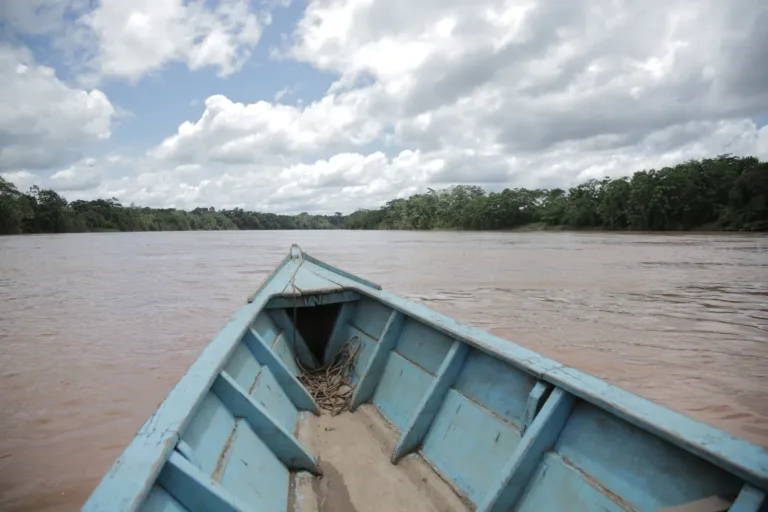
Stand at the edge of an artisanal cobalt pit in the Democratic Republic of the Congo and you are standing at the start of almost every rechargeable battery on the planet. The hill does not look like the center of the global economy. It looks like red earth and hand tools and children carrying sacks. But what comes out of it ends up in a phone in Berlin, a car in California, a grid battery in Seoul.
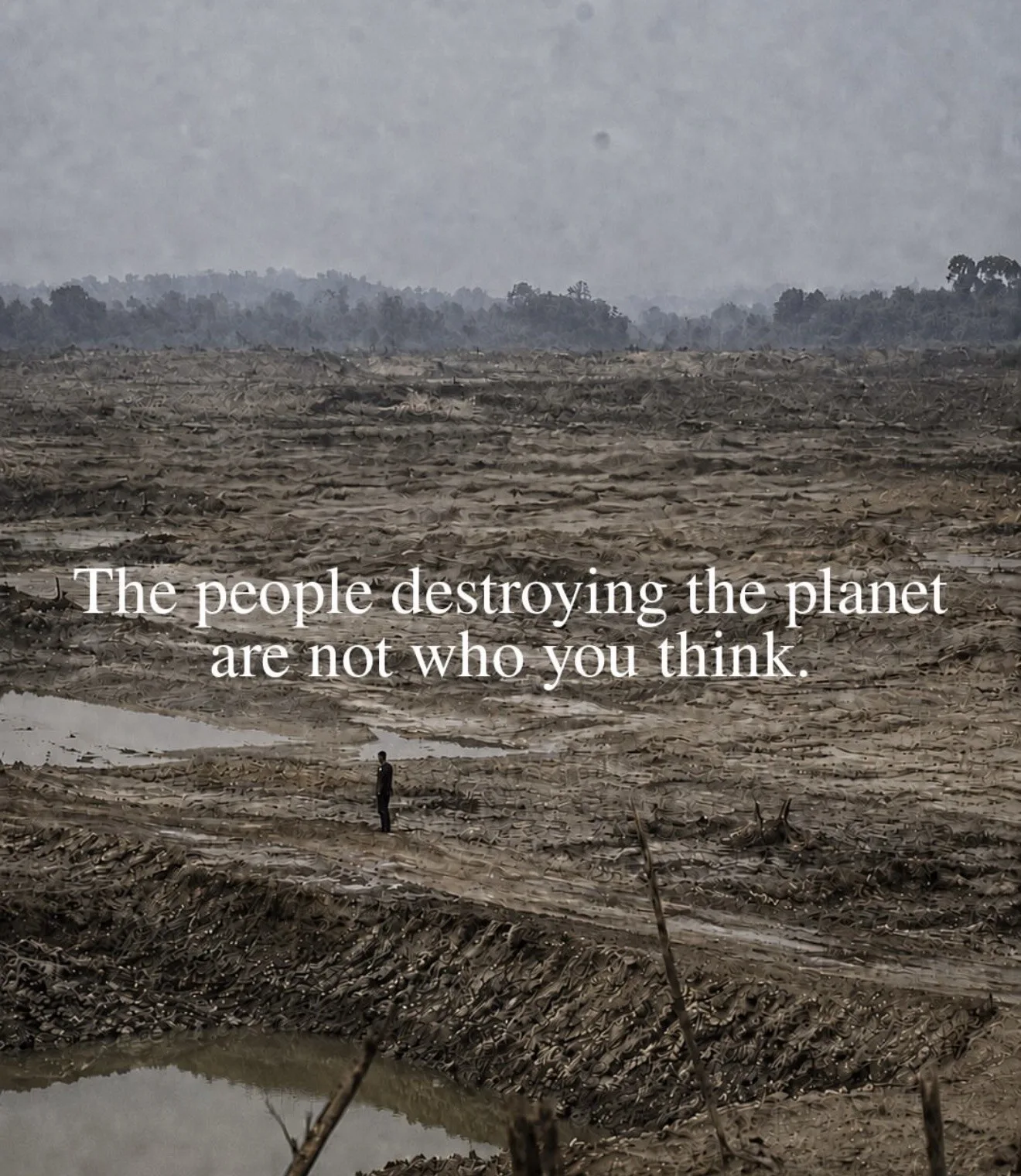
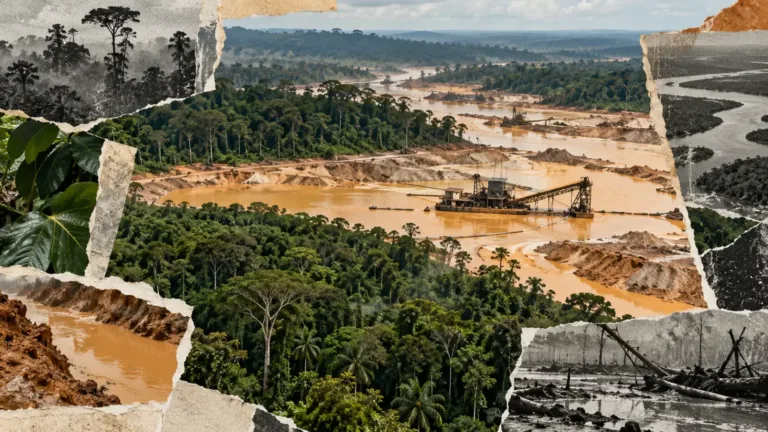
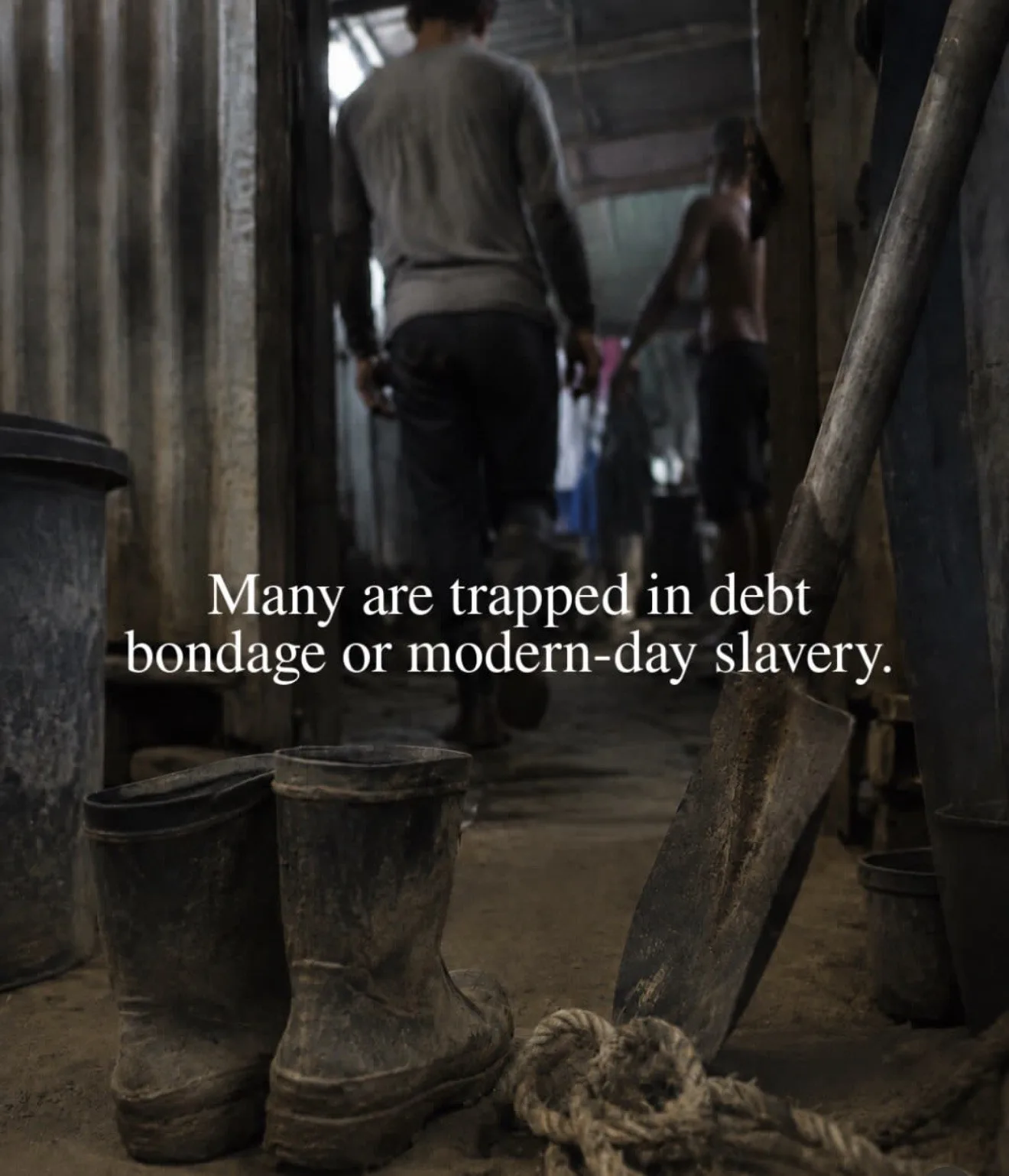
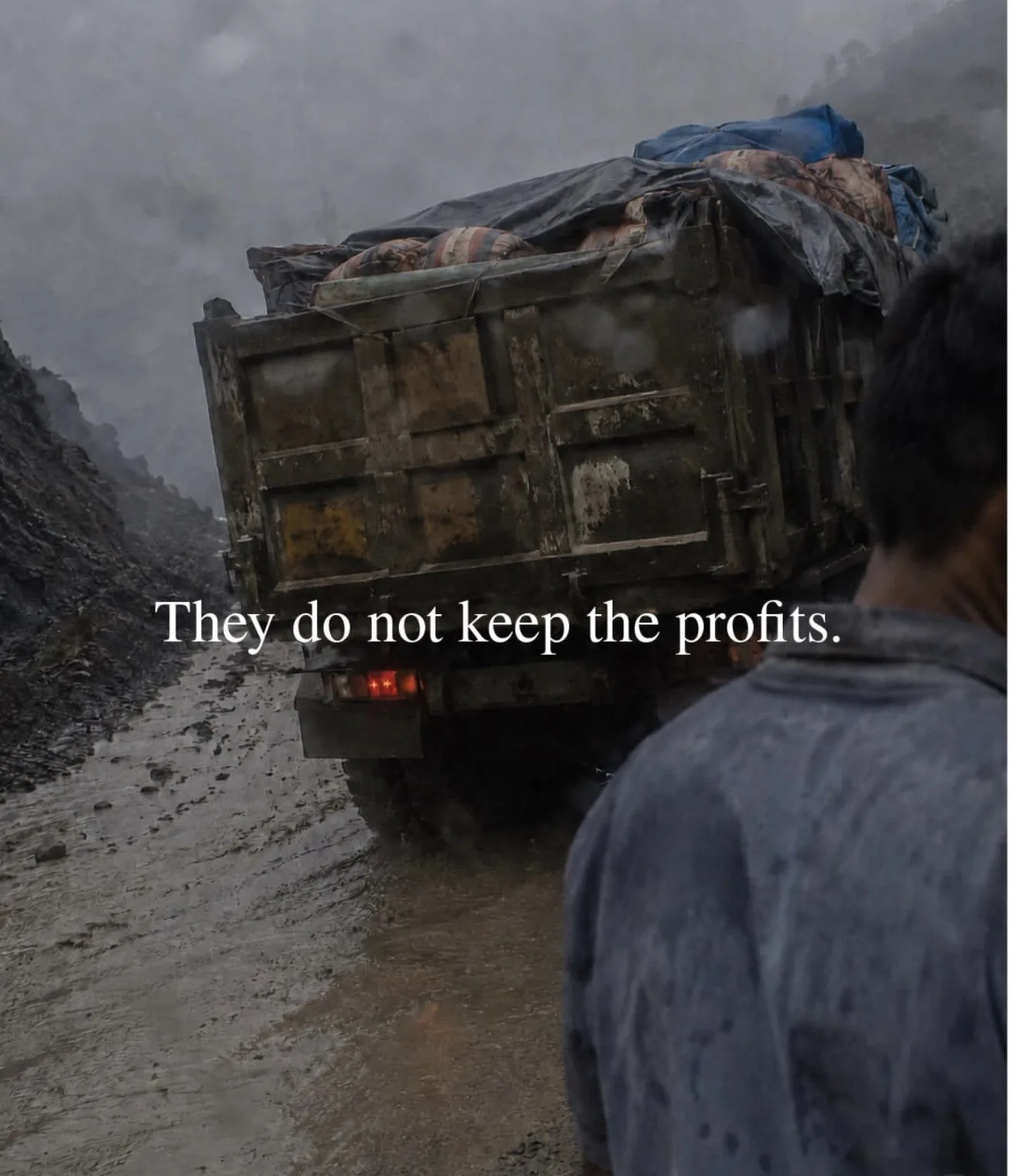
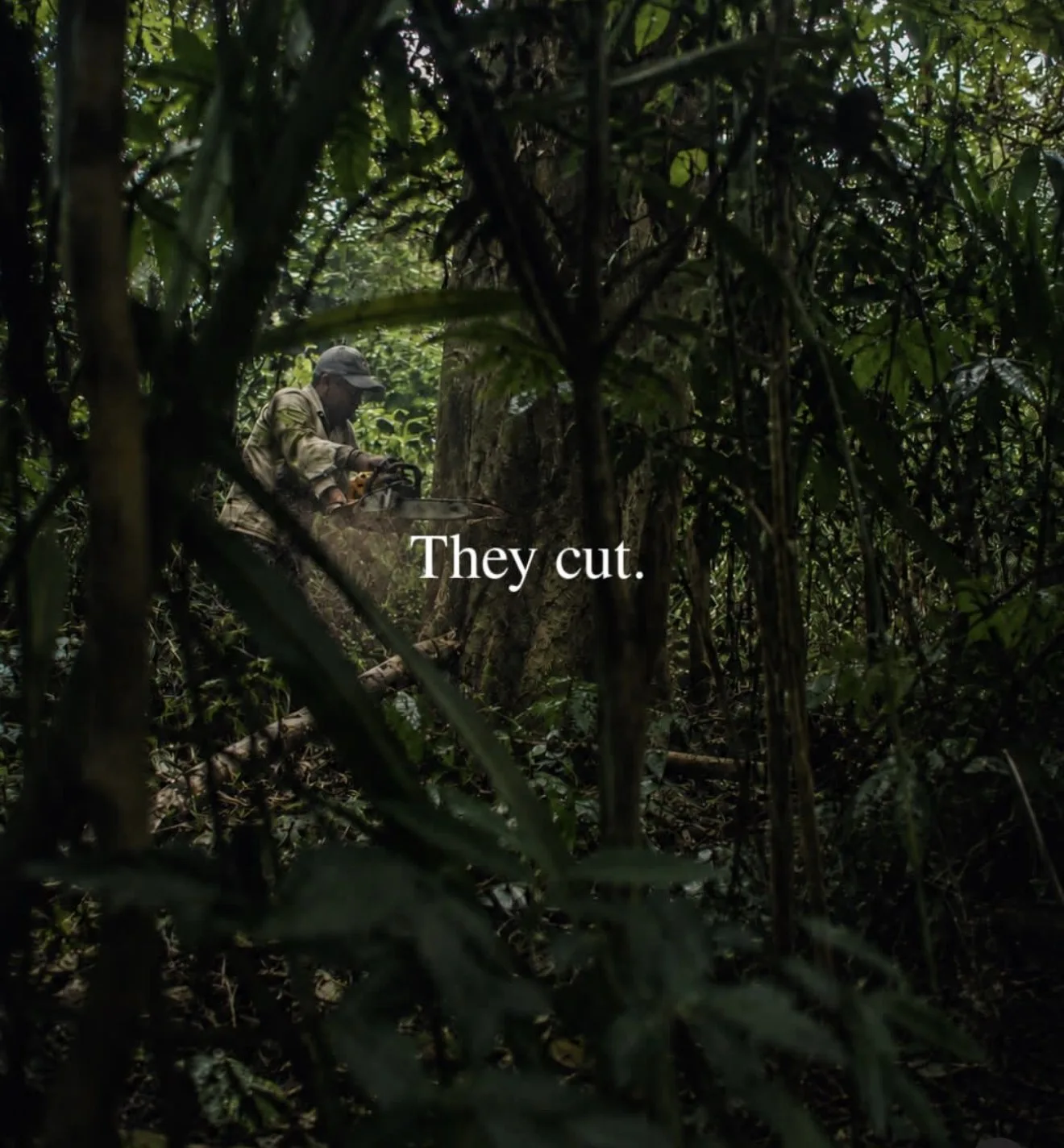
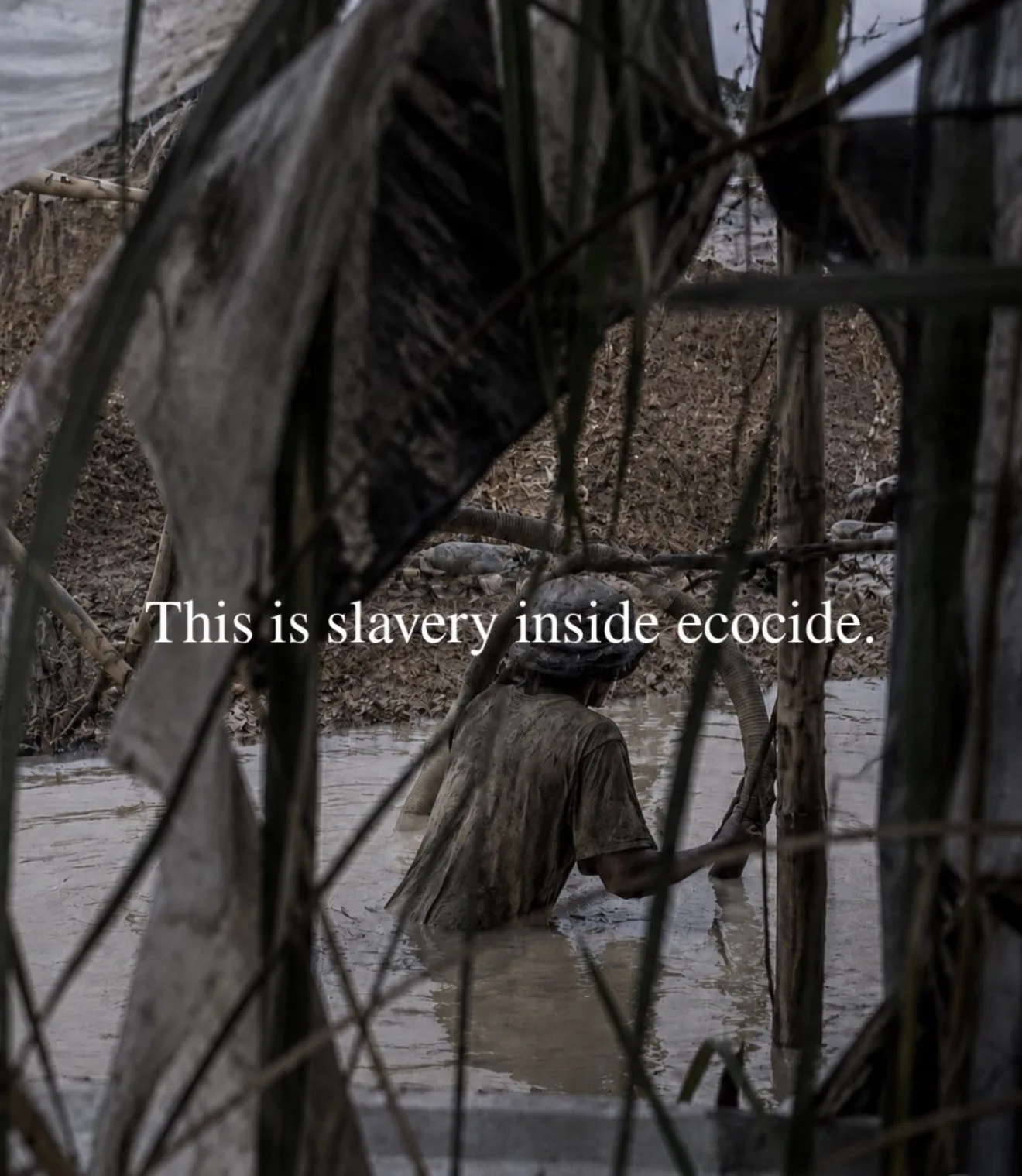
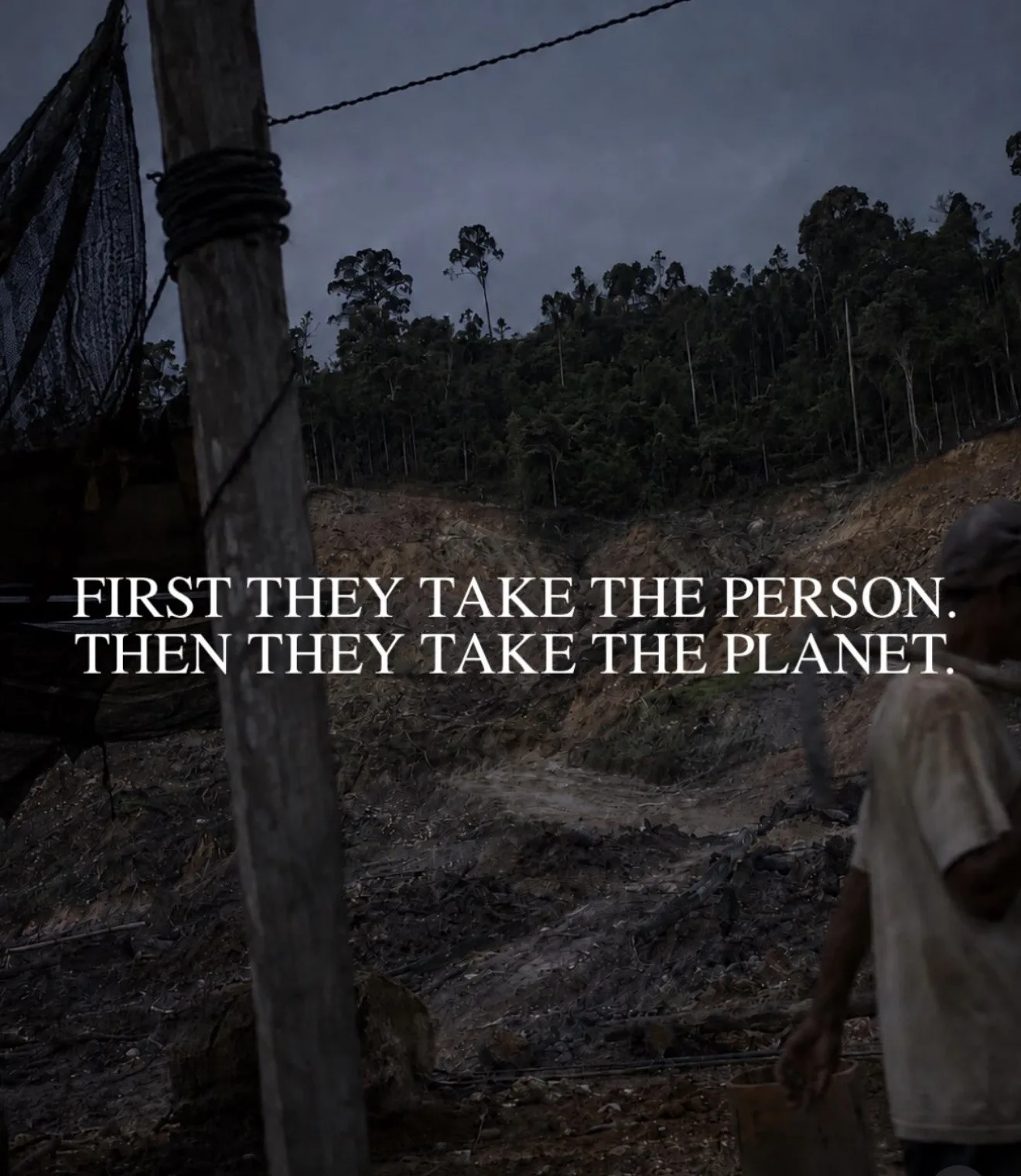
The Democratic Republic of the Congo holds more than half the world’s cobalt, along with the coltan in nearly every phone and laptop on earth. Roughly 255,000 people mine it by hand in artisanal and small-scale sites. At least 40,000 of them are children. A 2023 US Department of Labor study estimated that roughly 78 percent of employed adult cobalt workers in the DRC experience forced labor. In September of 2026, Amnesty International documented killings, torture, forced recruitment, and forced labor inside a mine held by an armed group. Getting the mineral out poisons the water table, strips the forest, and fills the air around the pits with dust that children breathe.
“Our daily lives are powered by a human and environmental catastrophe in the Congo.”
Siddharth Kara, Cobalt Red (2023)
That is the sentence that should sit behind every energy-transition headline. The mineral that is supposed to clean up our future is being dug out of the ground by people who are not free to stop, on land that is being destroyed to reach it. Modern-day slavery and ecocide are not two separate stories here. They are the same story.
Why cobalt’s supply chain is so hard to see
Here is the uncomfortable part. No one buying a finished battery can honestly say where its cobalt came from. The mineral passes from a pit, to a local buyer, to a trader, to a smelter, to a refiner, to a cell maker, to a brand. By the time it reaches a product, the mine of origin has been washed out of the record. As Cobalt Red documents, the line between “artisanal” hand-digging and industrial mining collapses on the ground in the DRC: hand-miners work the edges of the large concessions, and their cobalt is folded into the formal supply before it ever leaves the country. The ton that was dug by a child and the ton that was dug under industrial oversight arrive at the refinery indistinguishable.
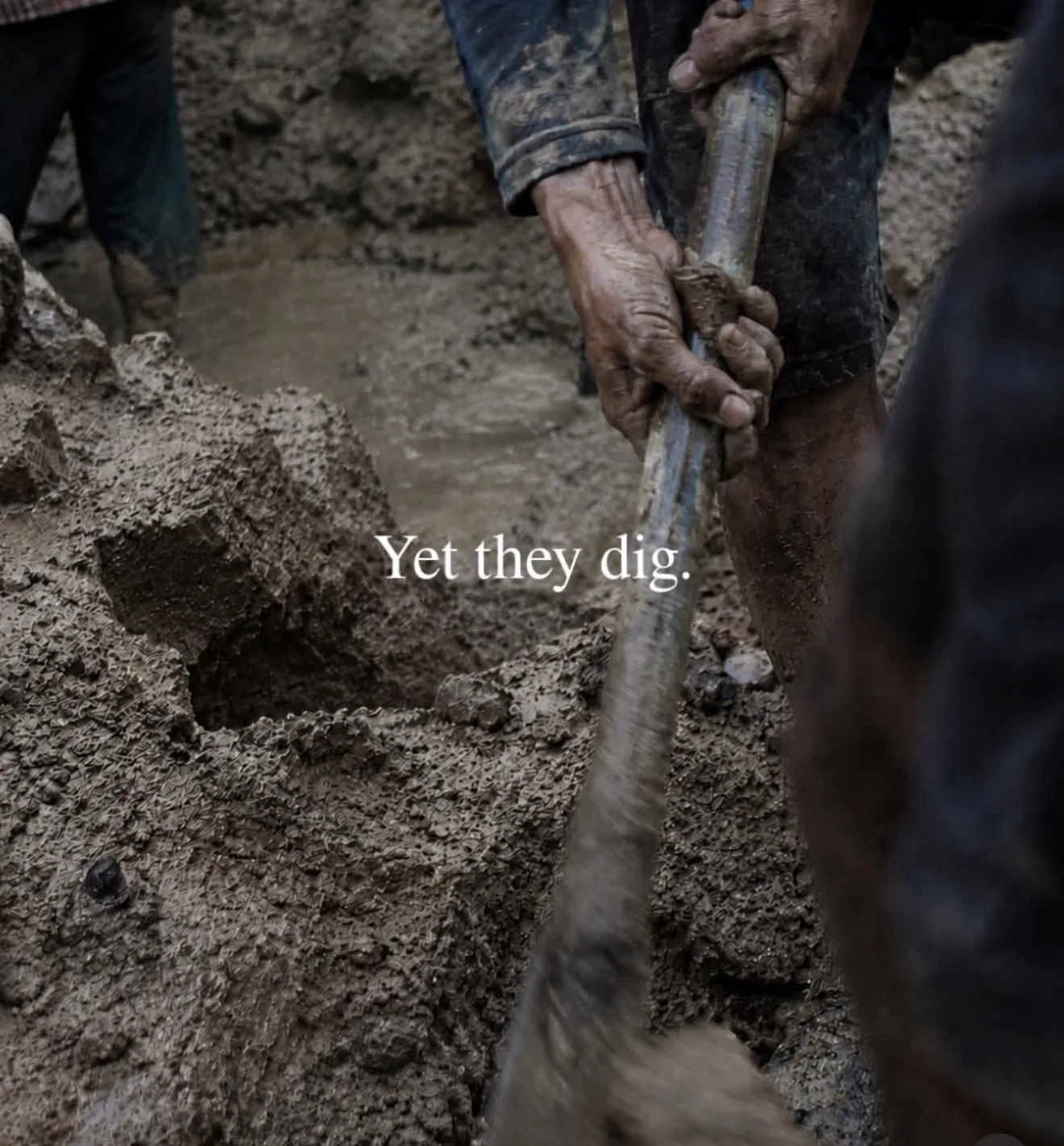
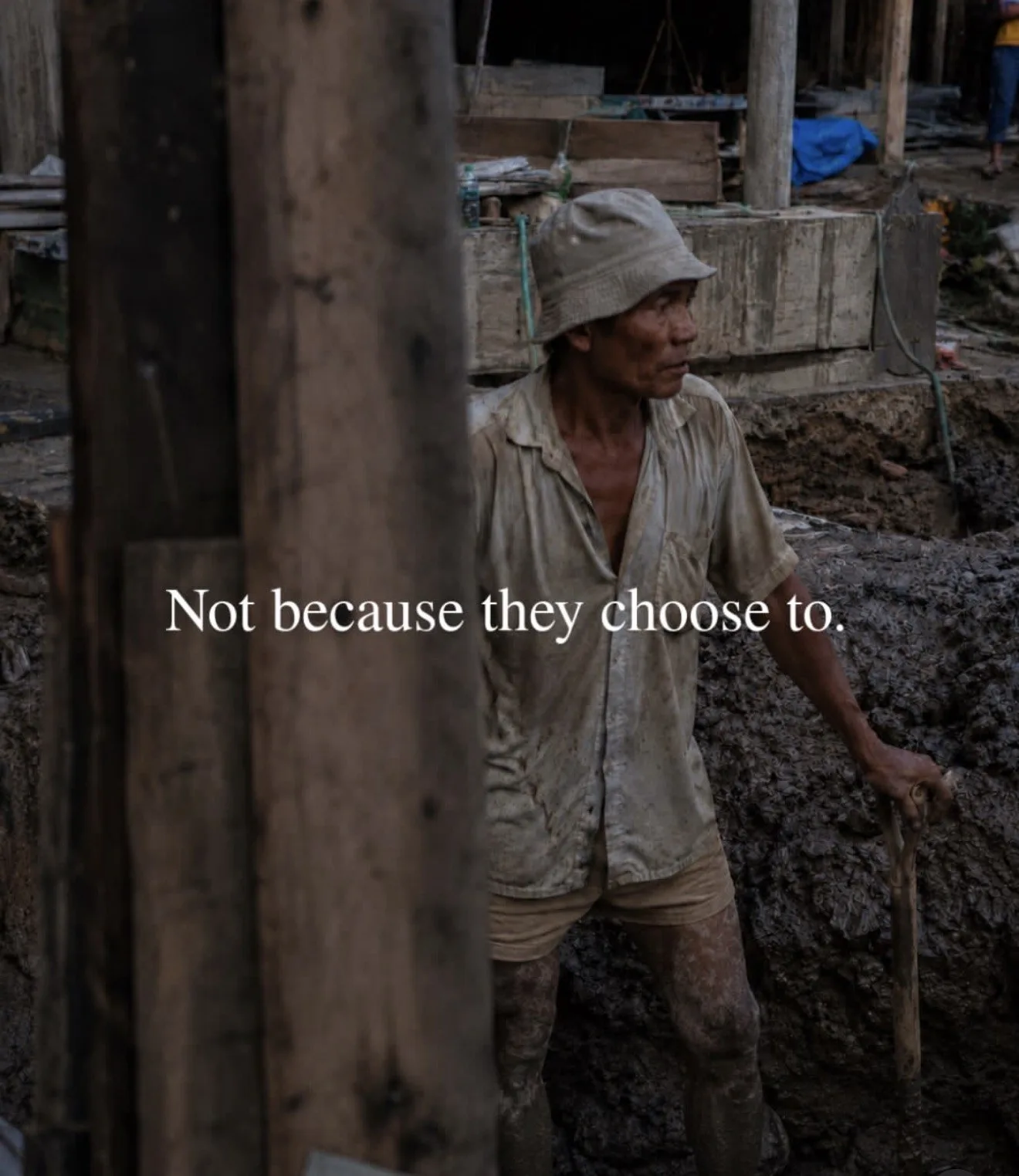
Opacity is not an accident. It is the feature that lets everything else survive. Forced labor hides in opacity. Debt bondage hides in opacity, where the money owed is a trap engineered so it can never be cleared, and the miner cannot inspect or dispute it. Ecocide hides in opacity, because a buyer who cannot see the mine cannot see the forest that was cleared to open it. You cannot refuse what you cannot trace, and you cannot clean a supply chain you cannot see.

What tracking and tracing actually means
To track and trace a critical mineral is to give it a verifiable record, from the mine it came out of to the market it ends up in. Where it was dug. Who handled it. Whether the site was worked by free labor or forced labor. Whether the land was protected or destroyed.
Transparency is not paperwork. It is leverage. Once a mineral carries a record, a buyer can refuse the tainted ton instead of unknowingly funding it. A government can pass and enforce laws that bite, instead of rules that wave through whatever cannot be seen. And the people at the bottom of the chain stop being invisible, which is the first condition of being protected. The world’s most opaque supply chains power our economy and our energy transition. Making them legible is how the forced labor and ecocide inside them lose their cover.
How Not For Sale is building the fix upstream
Not For Sale has worked in the eastern Congo since 2017, led by Congolese staff who grew up in the region, planting trees and building cooperatives on land the mining economy wrote off. Field work is important, but it is not enough when the problem is designed into the chain itself. So we went upstream.
We helped incubate two companies built to attack the opacity directly. M2i Global traces minerals and metals from mine to market, drawing on more than twenty innovations developed at the University of Cambridge. Regenerate Technology Global recovers those same minerals and metals from old batteries, so the economy needs to dig fewer new ones out of the ground. Trace what is mined, and recover what is already above ground: together they shrink both the demand for a mineral dug by a child and the darkness it hides in.
This is what social innovation means at Not For Sale. We do not only document the crime of trafficking and the destruction of forests and rivers. We build the alternatives that make them harder to commit.
What transparency makes possible
A traceable mineral is a mineral that can be refused, regulated, and cleaned. That is the whole game. The energy transition does not have to be powered by a catastrophe in the Congo. It can be powered by chains we can finally see.
Topics in this story
See all topics
Mark Wexler
Mark Wexler is Co-Founder and CEO of Not For Sale and a longtime builder of alternatives to the systems that enable modern-day slavery and ecocide.


More from Mark Wexler