What Does It Mean to Own a Share of a Farming Cooperative in Rwanda?
In Rwanda’s Ruhango and Kamonyi districts, farming cooperatives give members a way to pool resources, reach buyers, and build savings together.

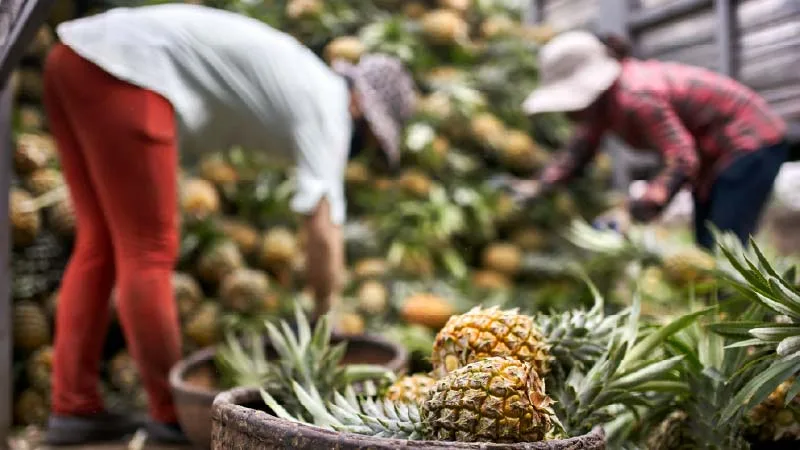
Owning a share of a farming cooperative means having a stake in an enterprise run by its members. A farmer can help shape decisions about the resources the group shares and how it reinvests what it earns. In Rwanda’s Ruhango and Kamonyi districts, Not For Sale supports cooperatives growing crops such as pineapple and cassava. Members do the farming and build the business. Our role includes early funding, training, and help reaching markets. Explore Not For Sale’s Rwanda project.
The value of that stake becomes clearer when you think beyond the sale of a single crop. A household has bills throughout the year, including when the next harvest is still months away. A cooperative can help a family plan for those gaps by making it easier to earn and put money aside. Having something to fall back on can also give a person more room to weigh a job offer, especially when the promised pay is tempting and the terms are unclear.
What cooperative members can do together
A cooperative gives producers an enterprise they own collectively and have a voice in running. That can involve decisions about what the group will pay for together, how it will market crops, and what it will put aside for the next season. The rights and responsibilities of membership, and the way any surplus is used, depend on the cooperative’s rules. International Labour Organization guidance on cooperatives.
Consider the problem of finding a buyer. A farmer can grow a crop and still face a difficult sale. A buyer might need a larger quantity than one grower can supply, or transport might cost too much for a single household to arrange. Working together can give farmers a way to combine produce, share some costs, and approach a buyer as a group. The measure of a workable arrangement is what members take home after those costs and when they get paid. A better price eventually may be hard to wait for if a family needs money this week. World Bank analysis of Rwanda’s agricultural markets and cooperatives.
Ownership matters here because members have a stake in those trade-offs. They can ask how payments are calculated, whether the group should hold money back for future expenses, and what they are getting from the arrangement. That takes clear records and leaders who answer to members. In its Rwanda country diagnostic, the World Bank identifies transparency, clear ownership, and accountability as important to well-run agricultural cooperatives. World Bank Rwanda country diagnostic.

How Not For Sale supports the work in Ruhango and Kamonyi
In its 2025 impact report, Not For Sale recorded support for four agricultural cooperatives in Ruhango and Kamonyi. The report describes an expansion in land under the cooperatives’ operations, increased savings, and a stronger ability to run the enterprises. Our Rwanda project page also describes expanded pineapple and cassava production and financial training for members. These are changes reported by Not For Sale about the work it supports. Not For Sale’s 2025 impact report and Rwanda project overview.
Early funding can help a group get started, and training can help members manage costs, keep records, and decide what they can afford to put back into the enterprise. Access to buyers gives the crops somewhere to go. The members then make the decisions that carry the work from one season to the next. That is the practical promise of supporting an enterprise that the farmers themselves own. Read David Mwambari’s update on community enterprise and education in Rwanda.
Why savings matter between harvests
A cooperative’s sales and a household’s financial security are two different things to track. A group may have a good season, yet the benefit to an individual member still depends on when they are paid, what it cost them to grow the crop, and what they need to spend before the next harvest. Savings are useful because they can give households more flexibility when expenses and earnings fall at different times. A family deciding whether to spend money on planting or hold it back for school costs has to think about when the next payment will arrive. A reserve can make it easier to cover one expense without sacrificing the other.
Research on agricultural cooperatives in Rwanda has found that the benefits of membership vary across farms and places. A study published in Applied Economic Perspectives and Policy estimated gains in income and reductions in poverty overall, with effects differing by farm size and remoteness. Those findings point to questions worth asking of any project over time. Who can afford to join? Who can sell through the group? How much can members keep after expenses? Research on agricultural cooperative membership and farmer welfare in Rwanda.
More options can reduce the pressure to take a risky job
A job offer can be a good opportunity. It can also carry risks that are difficult to see up front. The International Labour Organization identifies deception about pay, working conditions, or the nature or location of a job as a possible indicator of forced labor. When money is urgently needed, having enough to cover the next expense can give a person time to ask questions, check what they have been promised, or decline an offer. International Labour Organization indicators of forced labor.
That is where locally owned livelihoods fit into Not For Sale’s approach to prevention. Our Rwanda reporting describes changes in farming and savings. Establishing whether trafficking declined would require evidence that follows that outcome over time. What the project shows is the kind of work that can happen well before someone encounters a deceptive recruiter. Farmers can build an enterprise, keep more choices open for their households, and decide together what to invest in next. Safe recruitment and enforceable worker protections remain part of the wider response. Read our guide to what works against human trafficking.
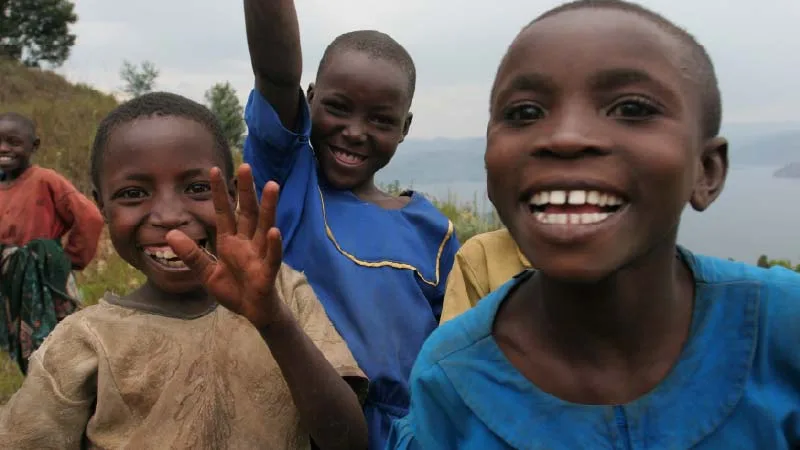
Support Not For Sale this Giving Tuesday
On December 1, 2026, help Not For Sale continue its work to prevent human trafficking and exploitation, including work that helps communities build more secure livelihoods. Visit the Not For Sale Giving Tuesday hub to give.

Katie Wilde


More from Katie Wilde