How Not For Sale Helps Protect Children on the Thai–Myanmar Border
On the Thai side of the border, Kru Nam’s team helps children find safety, stay in school, and grow up with more choices about where and how they work.

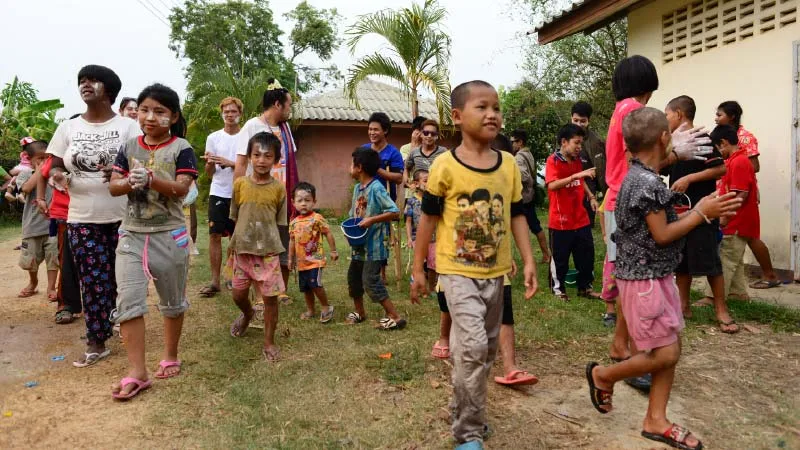
Child trafficking prevention on the Thai–Myanmar border starts with practical support. In northern Thailand, Kru Nam’s team reaches children and families through outreach and provides safe housing, ongoing care, and help getting into and staying in school. These are ways to give young people more choices before they have to decide how and where to earn a living.
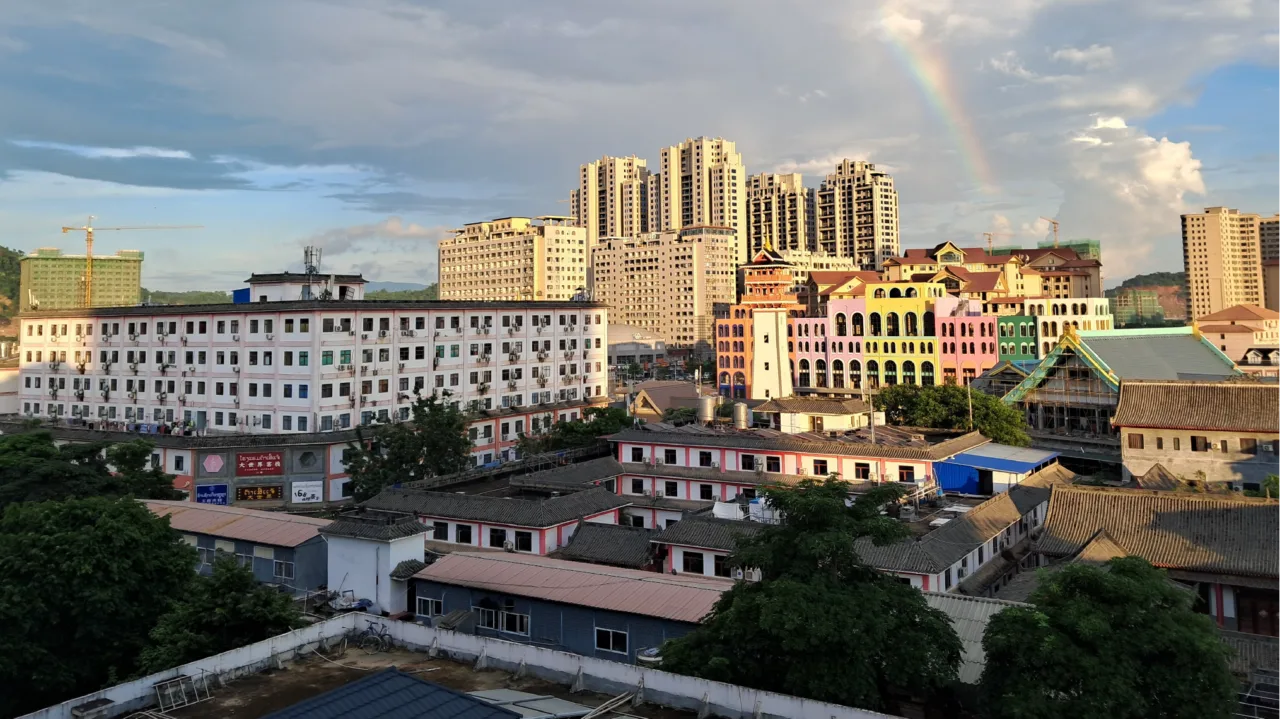
The Moei River runs between Mae Sot in Thailand and Myawaddy in Myanmar. In a 2026 report, the United Nations identified the corridor as a major route for recruitment and transit linked to human trafficking, including into online scam operations. People have been drawn in by offers of legitimate work and then forced to take part in fraud. That is one documented risk in a region where Not For Sale works with children and families on the Thai side of the border. United Nations Secretary-General’s 2026 report on Myanmar
The risks documented around Myawaddy are one part of the regional picture. Children on the Thai side can face more immediate challenges, including finding a safe place to stay or getting back to school after time away. UNICEF and One Sky Foundation found that children from Myanmar who were living apart from their parents or usual caregivers faced different barriers to education, documentation, and child protection services depending on where they lived along the border. UNICEF’s study of children from Myanmar in Thai border areas
How a job offer can lead to forced labor
Some of the people trafficked into Southeast Asia’s scam compounds originally believed they were accepting ordinary jobs. The UN Human Rights Office has documented how fraudulent recruiting draws people into these operations and how coercion keeps them there. A person may discover only after accepting a job that the work is different from what was promised, that they cannot leave freely, or that they are being threatened into taking part in online fraud. UN Human Rights Office report on trafficking into cyber scam operations
The term forced criminality describes being compelled to carry out a crime. In an online scam, the person who loses money and the person coerced into sending messages can both experience harm from the same operation. Recognizing coercion matters when authorities encounter people leaving these compounds, because someone seen taking part in fraud may need protection as a trafficking survivor. We cover that side of the issue in our reporting on human trafficking in Myanmar’s scam centers.
The compounds bring a particular question into focus for prevention work. If a job sounds like the only way to earn enough money or find somewhere to live, how much time does someone have to find out whether the offer is genuine? A young person with somewhere safe to stay and people they can ask for help has more room to weigh that decision.
Outreach brings support within reach
Children and families facing insecure housing or interrupted schooling may have little time to find an organization that can help them. At Not For Sale Thailand our team carries out street outreach along the Thai–Myanmar border, where we work to connect children and families with safer resources. The point of that first contact is to make help easier to reach while a family still has decisions it can make about what comes next. How Not For Sale works with children and families in Thailand
A child’s needs can change from one year to the next. Finding a place to stay addresses an immediate need. Staying there long enough to settle into school, get medical care when needed, and build relationships with adults they trust takes ongoing support. At Baan Kru Nam, the team provides year-round housing and care for street children who have experienced trafficking or face serious risk. It also helps children enroll in school and continue their education in a safe environment. Baan Kru Nam’s housing, care, and education work
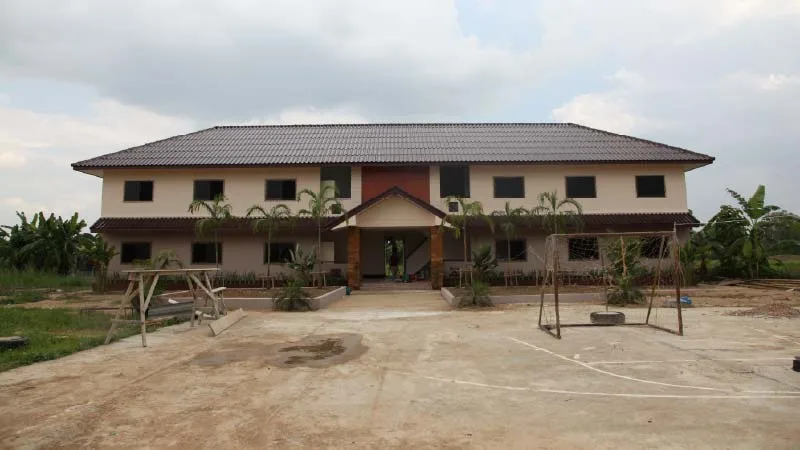
Safe housing can keep education within reach during adolescence
School gives young people time to learn and consider what they want to do next. For some children in northern Thailand, staying in school takes help well beyond enrollment. Research by UNICEF and UNHCR documents persistent obstacles for stateless children and young people in Thailand, including financial and administrative barriers and difficulties continuing through secondary education. The report also records improvements in access. The experience of getting into school and staying there varies with a child’s circumstances. UNICEF and UNHCR research on education access in Thailand
Not For Sale has identified a dedicated girls’ dormitory at Baan Kru Nam as a project priority. The aim is to give girls secure accommodation as they enter their teenage years and help them continue their education. Having a stable place to come back to after school can make it easier to keep up with classes and maintain ties to the adults who support them. The girls’ dormitory on Not For Sale’s Thailand project page
That stability also matters as teenagers begin thinking about earning money. The decisions can be practical and immediate. Is there time to finish school? Can they look for work while staying somewhere safe? Who could help them make sense of an offer that sounds promising but leaves basic questions unanswered? The more support a young person has before those questions come up, the more options they have when it is time to answer them.
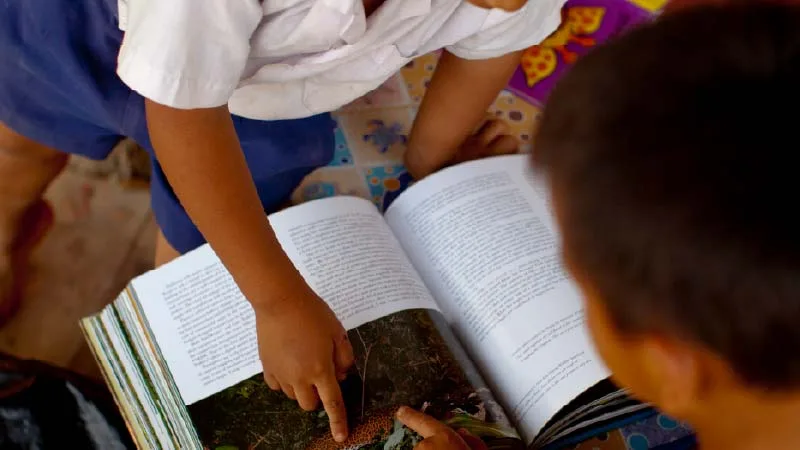
What prevention can change before a recruiter makes contact
The scam compounds around Myawaddy show one way that the promise of work can be used to exploit people. Disrupting those operations and protecting survivors are essential parts of the response. On the Thai side of the border, Kru Nam’s team works at an earlier point, when a child needs somewhere safe to live or help getting through another year of school. Each is a concrete form of support a child can use now. What works against human trafficking
A child may grow up and choose to work close to home, study further, or take a job elsewhere. The purpose of prevention is to help make those choices possible on safer terms. Having a home to return to, a person to talk to, and the time to find out more about an offer can all change what a young person is able to say yes or no to.
| Support | Why it matters | What Not For Sale does |
|---|---|---|
| Street outreach | A child or family may have no trusted place to ask for help. | The outreach team connects children and families with trusted support. |
| Safe housing and care | Unstable housing can make school and everyday care harder to sustain. | Baan Kru Nam provides year-round housing, food, care and education for local street children. |
| Help staying in school | A child may need support to enroll or continue their education. | Not For Sale’s team help stateless children with no documentation, enroll in school and supports them as they progress onto graduation. |
| Planned girls’ dormitory | Girls entering adolescence need secure accommodation that supports continued protection. | The dormitory build is ongoing and we are currently asking for donations to support this project for our young girls in Thailand. |
Source: Not For Sale’s Thailand project.
Support Not For Sale this Giving Tuesday
On December 1, 2026, if you’re considering where to give, help Not For Sale continue its work to prevent human trafficking and support people affected by exploitation, and in this case specifically, the build of the girls only dorm in Baan Kru Nam. Visit Not For Sale’s Giving Tuesday hub.

Katie Wilde
Related Articles

More from Katie Wilde