


2026’s Positive Environmental Breakthroughs and Eco-Innovations
6.7 MIN READ
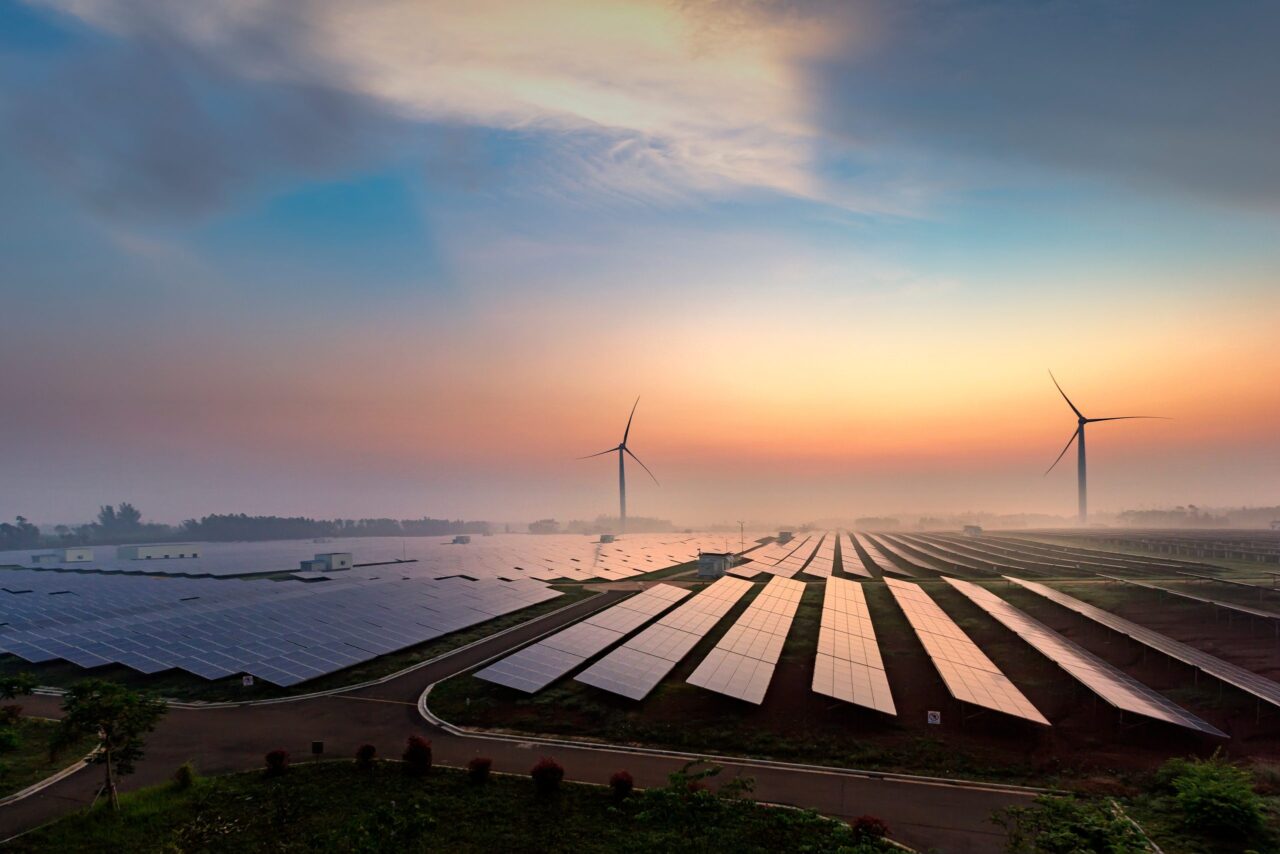
From carbon-eating fungi to tougher chemical laws, a quieter environmental renaissance is taking shape, one practical solution at a time.
For much of the past decade, environmental news has felt like a relentless weather system of crisis. Record temperatures, biodiversity loss, polluted rivers, stalled climate talks. It is easy, even understandable, to feel worn down by it all. Yet step back for a moment and another story begins to surface. Not louder than the bad news, not naïvely optimistic, but steadier and more hopeful. Across laboratories, courtrooms, farms and factories, a wave of practical environmental breakthroughs is beginning to reshape what progress looks like.
In early 2026, a series of developments reported by Euronews Green offered a reminder that environmental action is not standing still. Scientists have found new ways to pull carbon from the air using living organisms. Governments have moved closer to shutting down entire classes of toxic chemicals once thought untouchable. Industry, often cast as the villain, has quietly started adapting under pressure from regulation, consumers and physics itself.
None of this fixes everything. But taken together, these stories form a pattern. They suggest that environmental progress in 2026 is less about grand promises and more about applied solutions, systemic nudges and, crucially, follow-through.
Nature’s Unexpected Ally: Carbon-Capturing Fungi
One of the most striking breakthroughs highlighted this year comes from an unlikely place: fungi. Researchers in several countries have been studying certain fungal networks that naturally absorb carbon dioxide and store it in soil through long-lasting organic compounds. According to scientists involved in this work, some fungi are particularly effective at transferring carbon into stable soil structures, where it can remain locked away for decades or longer.
This matters because soil already holds more carbon than the atmosphere and all plant life combined. Enhancing that natural storage capacity, without heavy machinery or energy-intensive processes, could become a powerful climate tool. Researchers cited by Euronews note that fungal-based approaches are not a silver bullet, but they are scalable, relatively low-cost and compatible with existing agricultural systems.
Pilot projects in parts of Europe and North America are now testing how fungal inoculation might improve soil health while drawing down emissions. Farmers involved in early trials have reported side benefits too, including improved crop resilience and reduced need for chemical fertilisers. Environmental scientists caution that results vary depending on soil type and climate, but the direction of travel is promising.
What makes this breakthrough especially encouraging is its humility. Instead of trying to overpower nature, it works with biological systems that already function at planetary scale.
Cracking Down on “Forever Chemicals”
Another major environmental win in 2026 has come through policy rather than science. Several governments have advanced tougher restrictions on PFAS, often referred to as “forever chemicals” because they do not break down naturally and accumulate in water, soil and human bodies.
PFAS have been widely used for decades in products ranging from non-stick cookware to firefighting foams. Health agencies in Europe and the United States have linked long-term exposure to these substances to serious health risks, including certain cancers and immune system disruption. According to environmental regulators quoted by Euronews, mounting evidence and public pressure have finally pushed lawmakers to act.
In Europe, proposals under existing chemicals legislation aim to restrict or phase out thousands of PFAS compounds. Some national governments have already moved ahead with bans on specific uses, particularly where safer alternatives exist. Industry groups have warned about costs and supply chain disruptions, but environmental advocates argue that the long-term savings in healthcare and environmental cleanup far outweigh short-term economic pain.
This shift represents a broader change in how environmental harm is managed. Instead of regulating chemicals one by one after damage occurs, policymakers are beginning to address entire classes of substances based on their persistence and toxicity. Analysts say this precautionary approach could become a template for future environmental regulation.
Cleaner Industry, Driven by Design
Beyond headline-grabbing bans and breakthroughs, quieter changes are unfolding inside factories and design studios. Manufacturers across sectors are rethinking how products are made, used and disposed of. According to sustainability researchers cited by Euronews, 2026 has seen a noticeable uptick in industrial processes designed around reuse, modularity and lower material intensity.
In construction, low-carbon concrete alternatives are moving out of pilot phase and into commercial use. These materials, which rely on different chemical reactions or recycled components, can significantly reduce emissions from one of the world’s most polluting industries. Engineers involved in these projects emphasise that performance and safety standards remain unchanged, addressing a long-standing barrier to adoption.
Meanwhile, the fashion and consumer goods sectors are experimenting with materials designed to biodegrade safely or circulate endlessly through recycling systems. While critics rightly point out that greenwashing remains a risk, independent auditors and regulators are tightening standards around environmental claims. This has made it harder for superficial sustainability to pass unchallenged.
What emerges is a picture of progress driven less by idealism and more by constraint. Energy prices, material scarcity and regulation are forcing innovation. Environmental benefit is becoming a competitive advantage rather than a marketing afterthought.
Biodiversity Finds Room to Recover
Climate change often dominates environmental discussion, but biodiversity loss remains an equally urgent challenge. Here too, 2026 has delivered cautious optimism. Conservation programmes supported by governments and NGOs are reporting early signs of recovery in several ecosystems, particularly where habitats have been allowed to regenerate with minimal interference.
In parts of Europe, rewilding projects have reintroduced native species or removed barriers such as obsolete dams. According to conservationists referenced by Euronews, these efforts can rapidly restore ecological balance when given space and time. Rivers run cleaner, flood risks decrease and wildlife returns in surprising numbers.
Importantly, many of these projects are now designed with local communities rather than imposed upon them. Farmers, fishers and landowners are increasingly involved as partners, supported by compensation schemes or alternative income streams. Environmental sociologists say this social dimension is key to long-term success.
Why This Moment Feels Different
Sceptics might argue that none of this is new. Environmental innovation has existed for decades. What feels different in 2026 is the convergence of pressure and possibility. Climate impacts are no longer abstract, regulatory patience has worn thin and technological tools are more mature.
According to analysts interviewed by Euronews, the narrative is shifting from “can this work?” to “how fast can it scale?”. That shift matters. It signals a move from experimentation to implementation, from fringe ideas to mainstream practice.
There is also a noticeable change in tone. Environmental progress is no longer framed solely as sacrifice. Instead, it is increasingly presented as problem-solving, resilience-building and risk management. That framing resonates beyond traditional green audiences.
The Limits of Optimism
It would be irresponsible to pretend that positive stories outweigh the scale of environmental challenges ahead. Global emissions remain high. Many ecosystems are still under severe stress. Breakthroughs can stall, policies can be watered down and political winds can change.
Scientists and policymakers quoted in Euronews stress that progress must accelerate dramatically to meet climate and biodiversity targets. Innovation buys time, but only if it is paired with sustained political will and public engagement.
Still, optimism grounded in evidence is not naïve. It is necessary. Despair paralyses. Measured hope mobilises.
A Future Built on Follow-Through
The environmental good news of 2026 does not come wrapped in dramatic announcements or miracle cures. Instead, it arrives through fungal networks beneath our feet, legal clauses buried in regulatory frameworks and engineers quietly redesigning everyday materials.
These stories matter because they show what progress actually looks like. Incremental, sometimes messy, often contested, but real.
As one environmental policy expert told Euronews, the challenge now is not imagination but commitment. The tools are emerging. The knowledge is deepening. The question is whether societies choose to apply them at the pace required.
For the first time in a while, there are reasons to believe they might.
Source note:
This article is based on reporting by Euronews Green, published on 19 January 2026. Read the original story here: https://www.euronews.com/green/2026/01/19/carbon-sucking-fungi-and-forever-chemical-crackdowns-positive-environmental-stories-from-2
Published by NOT FOR SALE February 5, 2026



Sign Up to our Newsletter
Join our movement and get the latest updates, stories, and ways to take action, straight to your inbox.