


From Directive to Justice: The EU’s Stronger Environmental Crime Laws and What They Mean for Planet Protection
7.8 MIN READ

A landmark shift in European law is reframing environmental destruction as a serious criminal offence, with far-reaching implications for justice, accountability, and the future of planetary protection.
Europe rarely moves quietly when it decides to move at all. After years of debate, pressure from civil society, and mounting evidence that environmental harm is not just a regulatory failure but a systemic crime, the European Union has taken a decisive step forward. A strengthened Environmental Crime Directive, formally adopted in 2024, significantly expands how environmental damage is defined, prosecuted, and punished across member states.
At its heart, the directive reflects a philosophical shift. Environmental harm is no longer treated as a technical breach, a compliance error, or the cost of doing business. Instead, it is increasingly framed as a violation of collective rights, public safety, and intergenerational justice. In policy circles and activist movements alike, this shift is often discussed alongside the concept of ecocide, a term used to describe severe and widespread environmental destruction. While the directive stops short of formally codifying ecocide as an international crime, many legal experts say it moves the EU decisively closer to that threshold.
This matters not only for Europe, but for the global legal landscape. The EU’s regulatory gravity has a habit of pulling others into its orbit.
A New Legal Backbone for Environmental Protection
The updated Environmental Crime Directive replaces an earlier framework dating back to 2008, a period when environmental crime was still widely treated as a secondary concern. Since then, the scale of environmental harm has grown more visible and more costly. According to data cited by EU institutions, environmental crime is among the fastest-growing forms of organised crime globally, often linked to corruption, money laundering, and transnational criminal networks.
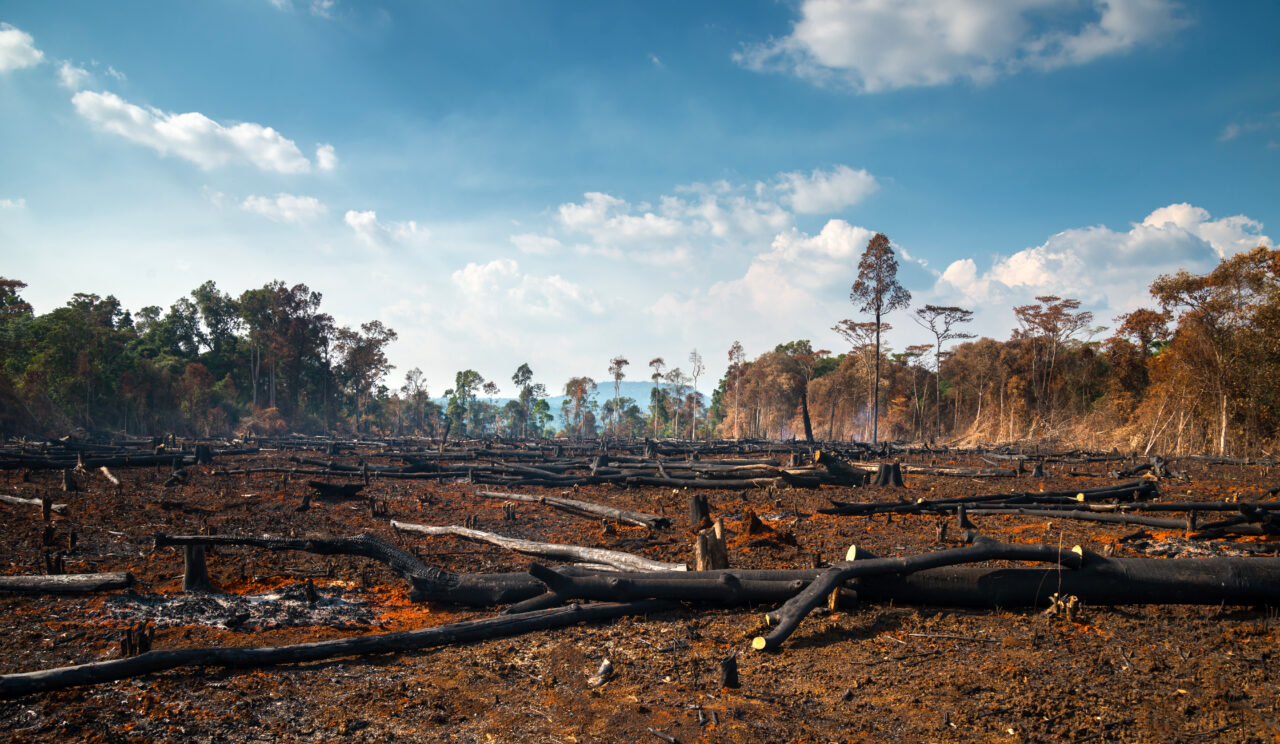
The 2024 directive significantly broadens the list of actions that can be prosecuted as criminal offences. These include illegal logging, unlawful waste shipments, serious water and air pollution, habitat destruction, and the illegal exploitation of natural resources. Importantly, the directive also tightens definitions, reducing the grey areas that have historically allowed harmful practices to slip through enforcement gaps.
Officials involved in drafting the legislation have said the goal was clarity and teeth. Crimes must be clearly defined, penalties must be meaningful, and enforcement authorities must have the tools to act. In many EU countries, environmental offences have traditionally resulted in modest fines that critics argue were insufficient to deter large corporate actors. The new directive mandates tougher sanctions, including higher fines and, in serious cases, prison sentences.
Moving Beyond Fines Toward Accountability
One of the most significant changes lies in how responsibility is assigned. The directive strengthens provisions around corporate liability, making it harder for companies to shield themselves behind complex organisational structures. Senior decision-makers can be held accountable where failures in oversight or deliberate choices lead to serious environmental harm.
Legal analysts say this represents a move away from viewing environmental damage as an unfortunate externality. Instead, it is increasingly seen as the outcome of decisions taken by identifiable actors within systems that prioritise profit over protection.
Environmental prosecutors across Europe have long argued that weak penalties undermined their work. According to EU justice officials, disparities between member states also created enforcement loopholes, with some jurisdictions becoming de facto safe havens for environmentally harmful activities. By setting minimum standards for criminal sanctions, the directive aims to level the playing field.
The Shadow and Substance of Ecocide
Although the word ecocide does not appear in the directive’s legal text, its influence is unmistakable. Ecocide has gained traction in recent years through campaigns led by legal scholars, Indigenous leaders, and environmental advocates who argue that mass environmental destruction should be treated with the same gravity as crimes against humanity.
Advocacy groups have welcomed the EU’s move as a pragmatic step in that direction. According to several legal commentators, the directive creates pathways through which the most severe forms of environmental harm could be prosecuted in ways that resemble ecocide cases, even if the label itself remains politically sensitive.
The United Nations Interregional Crime and Justice Research Institute, which has been closely involved in analysing environmental crime trends in Europe, has highlighted the directive as a crucial instrument for closing enforcement gaps. Researchers associated with the institute have argued that environmental crime thrives where legal systems treat harm as abstract or technical, rather than concrete and criminal.
Why Enforcement Has Historically Failed
To understand the significance of the new directive, it is worth examining why environmental crime has been so difficult to prosecute in the past. Environmental harm is often diffuse, cumulative, and slow-moving. Unlike conventional crimes, there may be no immediate victim, no single crime scene, and no dramatic moment of impact.
Investigators have also faced challenges in proving causation. Pollution incidents may involve multiple actors across borders, while ecosystems can take years to show visible damage. According to environmental law specialists, these complexities have often discouraged prosecutors from pursuing criminal cases, particularly when civil or administrative routes seemed easier.
The directive attempts to address this by encouraging specialised training for judges, prosecutors, and law enforcement. Member states are required to invest in expertise and cross-border cooperation, recognising that environmental crime does not respect national boundaries.
Social Innovation in Lawmaking
Beyond its legal provisions, the directive reflects a broader trend in social innovation. It demonstrates how law can evolve to reflect changing societal values, scientific understanding, and ethical priorities. Environmental protection is no longer framed solely as a conservation issue but as a matter of public health, economic stability, and human rights.
Public health authorities have repeatedly warned that pollution contributes to millions of premature deaths worldwide each year. Climate scientists have linked ecosystem degradation to increased vulnerability to extreme weather and food insecurity. Against this backdrop, the idea that environmental harm should carry serious criminal consequences has gained mainstream support.
Civil society organisations played a significant role in shaping the directive. Environmental NGOs, legal networks, and community groups provided evidence, case studies, and sustained pressure throughout the legislative process. Observers say this collaborative approach helped bridge the gap between technical legal drafting and lived environmental realities.
Implications for Business and Industry
For businesses operating in or trading with the EU, the directive sends a clear message. Environmental compliance is no longer a box-ticking exercise. Companies are expected to understand their environmental impact across supply chains, subsidiaries, and operational decisions.
Legal advisers warn that ignorance will not be an acceptable defence. Firms may need to invest in stronger environmental governance, risk assessment, and internal accountability mechanisms. While some industry groups have expressed concern about increased regulatory burden, others have welcomed clearer rules, arguing that consistent enforcement benefits responsible operators.
Economists have noted that environmental crime distorts markets by allowing illegal or harmful practices to undercut legitimate businesses. Stronger enforcement, they argue, can support fair competition while protecting shared natural assets.
Europe’s Signal to the World
The EU’s directive does not operate in isolation. International observers are watching closely, particularly as debates around ecocide continue at the International Criminal Court and within the United Nations system. While the ICC has not yet adopted ecocide as a standalone crime, several states have expressed support for further exploration.
According to international law experts, regional initiatives like the EU directive can help build momentum. By demonstrating that environmental crime can be clearly defined, prosecuted, and punished, the EU provides a model that others may adapt.
There is also a geopolitical dimension. Environmental harm is increasingly recognised as a driver of instability, displacement, and conflict. Stronger legal frameworks may become part of broader strategies to address climate-related security risks.
Challenges Ahead
Despite its promise, the directive’s success will depend on implementation. Member states must transpose the directive into national law, allocate resources, and build enforcement capacity. Past experience suggests this is where ambition can falter.
Environmental advocates caution that political will must be sustained beyond the headline moment of adoption. According to watchdog organisations, enforcement agencies are often underfunded and overstretched. Without adequate investment, even the strongest laws risk becoming symbolic.
There are also questions about access to justice. Communities most affected by environmental harm, often marginalised or economically vulnerable, may still struggle to have their experiences recognised within legal systems. Ensuring that the directive translates into tangible protection on the ground will require continued scrutiny.
From Words to Consequences
Even with these challenges, the directive marks a significant turning point. It reflects a growing consensus that protecting the planet requires more than voluntary commitments or soft regulation. It requires clear lines of responsibility and real consequences for those who cross them.
For decades, environmental damage has been treated as an unfortunate side effect of progress. The EU’s new legal framework suggests that era is drawing to a close. Environmental protection is being recast as a matter of justice, not charity, and of accountability, not aspiration.
Whether this shift will ultimately change behaviour at scale remains to be seen. But the direction of travel is clear. From directive to justice, Europe is laying the groundwork for a future in which harming the environment is no longer tolerated as business as usual, but confronted as a serious crime against the common good.
Source note:
This article is based on reporting and analysis published by the United Nations Interregional Crime and Justice Research Institute (UNICRI) in 2024. Read the original material here: https://unicri.org/News-Ecocide-and-Environmental-Crimes-Italy-EU-Directive-2024/1203
Published by NOT FOR SALE February 5, 2026



Sign Up to our Newsletter
Join our movement and get the latest updates, stories, and ways to take action, straight to your inbox.