


Ecocide on the Battlefield: Momentum Builds to Recognize Environmental Destruction in War as a Crime
4.6 MIN READ
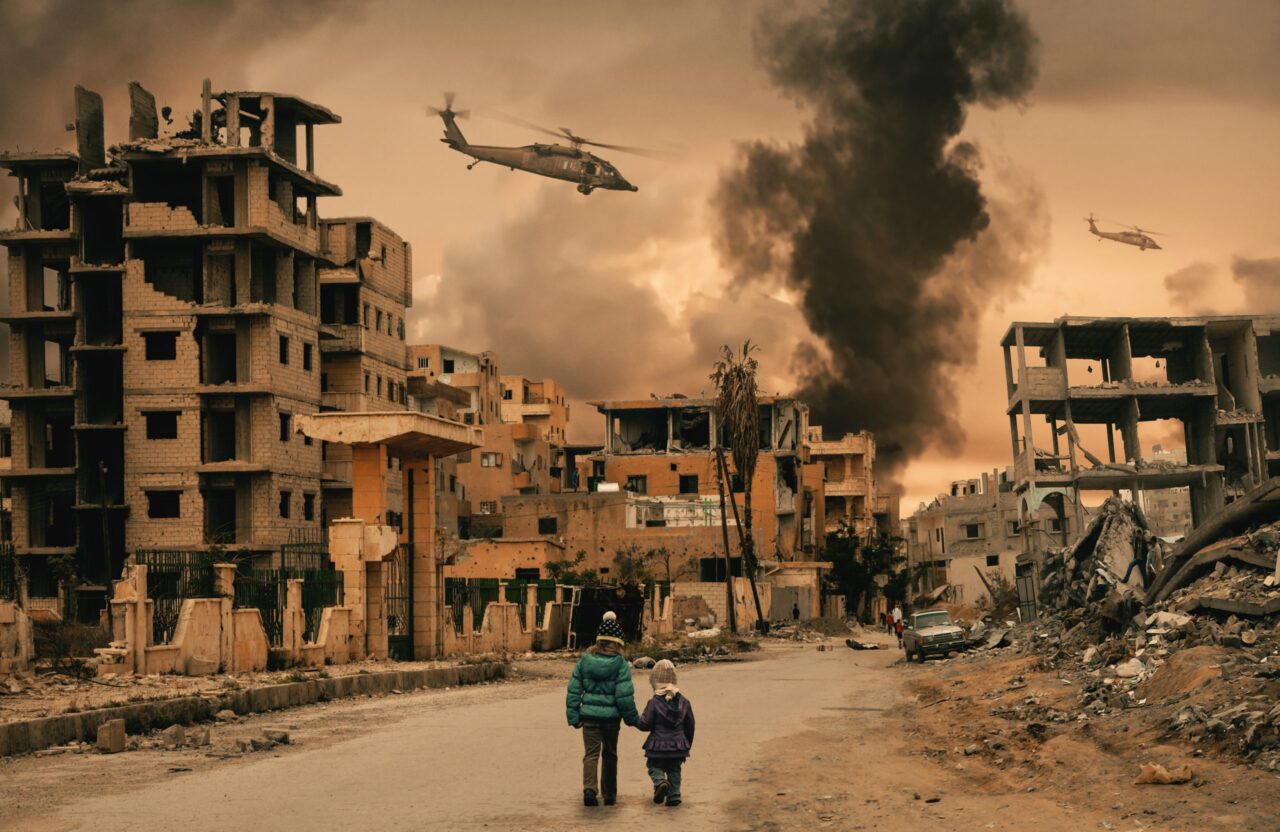
Growing international pressure is pushing governments and global institutions to recognise large-scale environmental destruction during armed conflict as a potential international crime. Legal experts, environmental groups, and some policymakers argue that existing laws fail to adequately address the long-term ecological harm caused by modern warfare, prompting renewed debate over whether “ecocide” should be formally recognised under international law.
The environmental consequences of modern warfare are increasingly drawing international scrutiny, as legal experts and environmental advocates call for large-scale ecological destruction during armed conflict to be recognised as a potential international crime.
In recent months, debates over ecocide, a proposed crime referring to severe and widespread damage to the natural environment, have gained renewed momentum. The discussion has been fuelled by the visible environmental impact of ongoing and recent conflicts, where damage to land, water systems, agriculture, and ecosystems has raised questions about accountability beyond existing laws of war.
A growing legal debate
Ecocide is not currently recognised as a standalone crime under international law. However, advocates argue that existing frameworks, including international humanitarian law and environmental treaties, do not adequately address the scale or permanence of environmental harm caused by modern military operations.
Legal scholars and campaigners say the issue is not limited to immediate battlefield damage. According to environmental experts cited in recent reporting, pollution from destroyed infrastructure, unexploded ordnance, soil contamination, and the collapse of water and waste systems can continue to harm ecosystems and civilian populations long after fighting has ended.
Supporters of ecocide legislation argue that recognising environmental destruction as a crime would help close legal gaps and strengthen deterrence. Critics, however, caution that defining and enforcing such a crime in wartime contexts would be legally complex and politically contentious.
Environmental harm in armed conflict
International organisations and environmental groups have documented how warfare can damage forests, farmland, rivers, and wildlife habitats. According to analysts, military strikes on industrial facilities, energy infrastructure, and urban areas can release hazardous substances into the environment, affecting air quality, water supplies, and food systems.
In some conflict zones, damage to agricultural land and water infrastructure has raised concerns about long-term food security and public health. Environmental experts say such impacts may disproportionately affect civilians, particularly displaced communities who rely directly on local ecosystems for survival.
While international humanitarian law includes provisions intended to limit environmental damage during war, legal experts note that these rules are often narrow in scope and difficult to enforce. As a result, environmental harm has historically received limited attention in post-conflict accountability processes.
Calls for international recognition
Momentum around ecocide has been building for several years, driven by civil society groups, legal academics, and some governments. Campaigners have urged the International Criminal Court (ICC) to consider adding ecocide as a fifth international crime, alongside genocide, crimes against humanity, war crimes, and the crime of aggression.
According to proponents, formal recognition would allow prosecutors to pursue cases where environmental destruction is severe, widespread, or long-term, even if it does not fit neatly within existing war crimes statutes. They argue that this could shift how military and political leaders assess environmental risk during conflicts.
Some governments have expressed interest in exploring stronger environmental protections in international law, while others have raised concerns about sovereignty, enforcement, and the potential politicisation of prosecutions.
Human rights and environmental protection
Human rights organisations increasingly emphasise the connection between environmental harm and civilian suffering. They argue that damage to ecosystems can undermine access to clean water, food, and safe living conditions, potentially exacerbating displacement and long-term instability.
Experts caution, however, that linking environmental destruction directly to legal responsibility requires careful evidence gathering and attribution. Determining intent, scale, and causation in active or recent conflict zones presents significant legal and practical challenges.
Despite these difficulties, supporters say the growing attention reflects a broader shift in how environmental harm is understood, not as collateral damage, but as a serious consequence with lasting human and ecological costs.
What happens next
Discussions around ecocide are expected to continue in legal forums, academic circles, and international institutions. While formal recognition under international law would require agreement among states, advocates say the current debate alone is influencing how environmental harm in war is documented and discussed.
Legal experts note that even without immediate legal change, increased scrutiny may encourage stronger environmental assessments during military planning and post-conflict reconstruction.
As conflicts continue to reshape landscapes as well as societies, the question of whether environmental destruction in war should carry legal consequences is likely to remain a central issue in international justice debates.
FAQs
What is ecocide?
Ecocide is a proposed international crime referring to severe, widespread, or long-term damage to the natural environment, carried out for profitable gain.
Is ecocide currently a crime under international law?
No. Ecocide is not formally recognised under international criminal law, though discussions are ongoing.
Why is ecocide being discussed in relation to war?
Advocates argue that modern warfare causes environmental harm that existing laws do not adequately address or prevent.
Who supports recognising ecocide as a crime?
Supporters include many environmental organisations, legal scholars, and some policymakers who believe stronger accountability is needed.
What challenges exist in prosecuting ecocide?
Legal experts cite difficulties in defining thresholds, proving intent, establishing causation, and enforcing rulings across borders.
Could recognising ecocide affect future conflicts?
Supporters argue it could encourage greater environmental protection, while critics caution its impact remains uncertain.
Source note:
This article is based on reporting by The Guardian, published on 17 April 2024. Read the original story here:
https://www.theguardian.com/world/2024/apr/17/ecocide-war-environmental-destruction-crime
Published by NOT FOR SALE February 5, 2026



Sign Up to our Newsletter
Join our movement and get the latest updates, stories, and ways to take action, straight to your inbox.