


Dignita at 10: A Conversation on Dignity, Choice, and Freedom
4.9 MIN READ
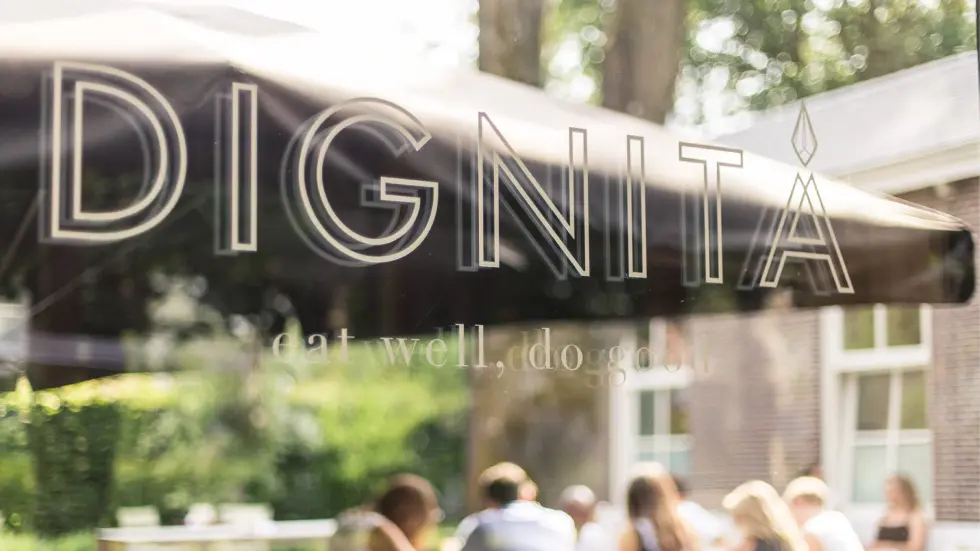
Mark Wexler of Not For Sale in conversation with Toos, Director of Not For Sale Netherlands, reflecting on a decade of Dignita
As Not For Sale marks ten years of Dignita in January 2026, we reflect on a partnership that has reshaped how survivor care is understood and delivered in the Netherlands. Founded with early support from Not For Sale, Dignita was built to answer a critical question in the fight against human trafficking: what happens after rescue?
In this conversation, Mark Wexler, Founder of Not For Sale, speaks with Toos, Director of Not For Sale Netherlands and a driving force behind Dignita, about the evolution of the organization, the philosophy that underpins its work, and what a decade of learning has revealed about dignity, agency, and sustainable freedom.
Mark Wexler: Toos, for those who may be unfamiliar, how do you describe Dignita today?
Toos: Dignita is a social enterprise built around a very simple but powerful idea: creating real work opportunities for people coming out of exploitation. At the same time, it is a business with a clear purpose. The enterprise generates income that supports our foundation, allowing us to educate and train even more people. It is about proving that doing good and running a professional business do not have to be separate ambitions.
Mark Wexler: You mentioned the foundation. What role does it play alongside the enterprise?
Toos: The foundation is focused on education. We work across three main areas: hospitality, beauty, and administration. These sectors were chosen intentionally because they offer realistic career pathways and genuine opportunities for independence. Many of the people who enter our programs come from very complex and traumatic backgrounds. Education gives them options, and having options is essential to freedom.
Mark Wexler: Let’s talk about the hospitality side specifically. What does that training look like in practice?
Toos: The hospitality program is very hands-on. Participants learn cooking techniques directly from our chefs, or they can train as baristas. What matters most is that everything they learn is applied in a real-world setting. Our restaurants, including Hoftuin and our location in Vondelpark, function as professional workplaces where participants complete internships. For many, this is their first experience of a healthy work environment. It becomes a place of community, learning, and rebuilding self-esteem.
Mark Wexler: The name Dignita is very intentional. Why was that word so important?
Toos: Dignity sits at the heart of everything we do. Many survivors of human trafficking have had their dignity systematically stripped away. We chose the name Dignita because we wanted to restore that humanity without labels. We do not want to define people by what they have been through. We do not want to exploit the exploited. Instead, we focus on who they are and what they are capable of.
Mark Wexler: This year marks ten years of Dignita. What does that milestone mean to you personally?
Toos: It honestly feels like it went by very quickly. The journey has been beautiful, but also challenging. Combining a social mission with a business model is not easy. You are constantly balancing values, finances, and human realities. But looking back, what stands out is how many lives have been impacted. Many people who started with us now have stable careers in beauty salons, hospitality, or other industries. That is incredibly meaningful.
Mark Wexler: When you think about success, what does it actually look like for Dignita?
Toos: Success is when someone no longer needs us. When they no longer require social workers or structured support to move forward. At the beginning, many participants are very shy and unsure of themselves. Over time, through education and internships, they regain confidence and stability. Some even return to support others, working as coaches in safe houses or training professionals such as military police on how to communicate with survivors. That full-circle moment is powerful.
Mark Wexler: Over the years, Dignita seems to have shifted away from a traditional charity model. Was that a conscious decision?
Toos: Very much so. These individuals are incredibly resilient. They have survived situations that most people cannot imagine. We want to build on that strength rather than create dependency. Agency is central to our approach. Freedom means being able to make your own choices, define your own future, and eventually move on without us. When that happens, we know we have done our job well.
Mark Wexler: The last few years have been difficult for many social enterprises, especially during COVID. How has Dignita navigated that period?
Toos: COVID was extremely challenging, particularly for our restaurants. Like many in the hospitality sector, we had to adapt quickly. At the same time, it forced us to think more deeply about sustainability. We are now expanding our beauty programs and exploring ways to offer courses to the public. This helps generate income while staying aligned with our mission. We are also working hard to bring the restaurants back to profitability.
Mark Wexler: Looking ahead, what do the next ten years hold for Dignita?
Toos: We have learned a great deal about balancing social impact with business realities. In the future, we want to grow responsibly, strengthen our programs, and continue building sustainable models. Whether that includes expanding to new locations remains to be seen, but the ambition is there. What matters most is staying true to our values while reaching more people.
Mark Wexler: Finally, is there anything you would like to say to those who have supported Dignita over the years?
Toos: Dignita exists because of a community. Individuals, foundations, and partners have contributed not just funding, but time, knowledge, and belief. On behalf of the entire team, I want to say thank you. Dreams do not become reality alone. It takes collective effort, and we are deeply grateful for everyone who has been part of this journey.
Published by NOT FOR SALE December 18, 2025




Sign Up to our Newsletter
Join our movement and get the latest updates, stories, and ways to take action, straight to your inbox.