


Kailash Satyarthi: The Nobel Peace Laureate fighting for childhoods
2.8 MIN READ
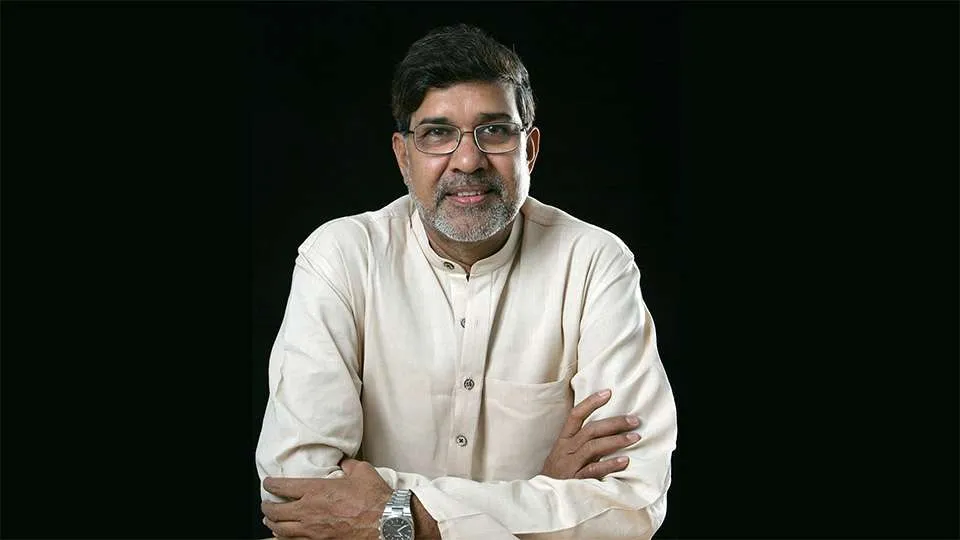
Meet the man who rescued over 100,000 children from child labor and inspired a global movement – Kailash Satyarthi.
Nobel Peace Prize winner Kailash is changing the world by ending child labor, and how global action like ILO Convention No. 182 is helping protect children everywhere.
A global hero for the World Day Against Child Labor
On World Day Against Child Labor, it’s essential to spotlight the individuals and systems driving change. One of the most powerful forces in this fight is Kailash Satyarthi, a tireless child rights activist who has rescued more than 100,000 children from slavery, trafficking, and exploitative labor.
In 2014, Satyarthi was awarded the Nobel Peace Prize, sharing the honor with Malala Yousafzai. The Nobel Committee recognized his “struggle against the suppression of children and young people and for the right of all children to education.”
A lifelong mission of Kailash Satyarthi to end child labor
Satyarthi began his activism in India in 1980 by founding Bachpan Bachao Andolan (Save the Childhood Movement) – a grassroots effort that grew into a global campaign to eliminate child labor.
The movement’s tactics include direct intervention raids on factories, rehabilitation programs, and advocacy for legislative reform.
His work has helped shift global perceptions, bringing child labor out of the shadows and into the spotlight of international policymaking.
The Power of Global Action: ILO Convention No. 182
In 1999, the International Labour Organization (ILO), a United Nations agency, adopted Convention No. 182 on the Worst Forms of Child Labour. It calls for immediate action to eliminate:
- Slavery and trafficking
- Forced recruitment for armed conflict
- Commercial sexual exploitation
- Hazardous work that harms health, safety, or morals
Thanks to global advocacy, including efforts led by Satyarthi, this convention became the most rapidly ratified convention in the ILO’s history, reaching universal ratification in 2020.
Why Kailash Satyarthi’s work matters now
Despite this progress, child labor is far from over. According to the ILO and UNICEF, there are still 160 million children engaged in child labor today. This number has increased in recent years, driven by poverty, conflict, and the impact of climate change.
Organizations such as Not For Sale are working to tackle the systems that cause child labor by building sustainable enterprises, investing in education, and creating dignified employment.
As Satyarthi himself said: “Child labor perpetuates poverty, unemployment, illiteracy, population growth, and other social problems.”
How you can join the fight
You don’t have to be a Nobel Laureate to make a difference. There are some simple ways in which you can help.
Supporting ethical brands makes a huge difference. In a world of cheap convenience, understand who’s really paying the biggest cost. Buy from companies that commit to transparent supply chains.
Advocate for education. Education is a proven solution to child labor. Donate to or volunteer with organizations that make school accessible.
Share the stories, both good and bad, that you find. Raise awareness about activists such as Kailash Satyarthi and the realities of modern child labor.
Join the movement. Support Not For Sale and our partners building businesses that empower communities and protect children.
A call to action alongside Kailash Satyarthi
This World Day Against Child Labor, let the story of Kailash Satyarthi be your inspiration. Real change is possible when compassion meets action.
Support building a world where no child is for sale. Support Not For Sale.
Published by NOT FOR SALE June 11, 2025


Sign Up to our Newsletter
Join our movement and get the latest updates, stories, and ways to take action, straight to your inbox.