


Typhoon Yagi: A Full-Circle Catastrophe for People and Planet
5.4 MIN READ

As Earth Day approaches, Typhoon Yagi in Vietnam underscores how climate disasters are displacing vulnerable communities—driving modern slavery and demanding global action.
The Unforgiving Storm: Typhoon Yagi and Its Hidden Toll
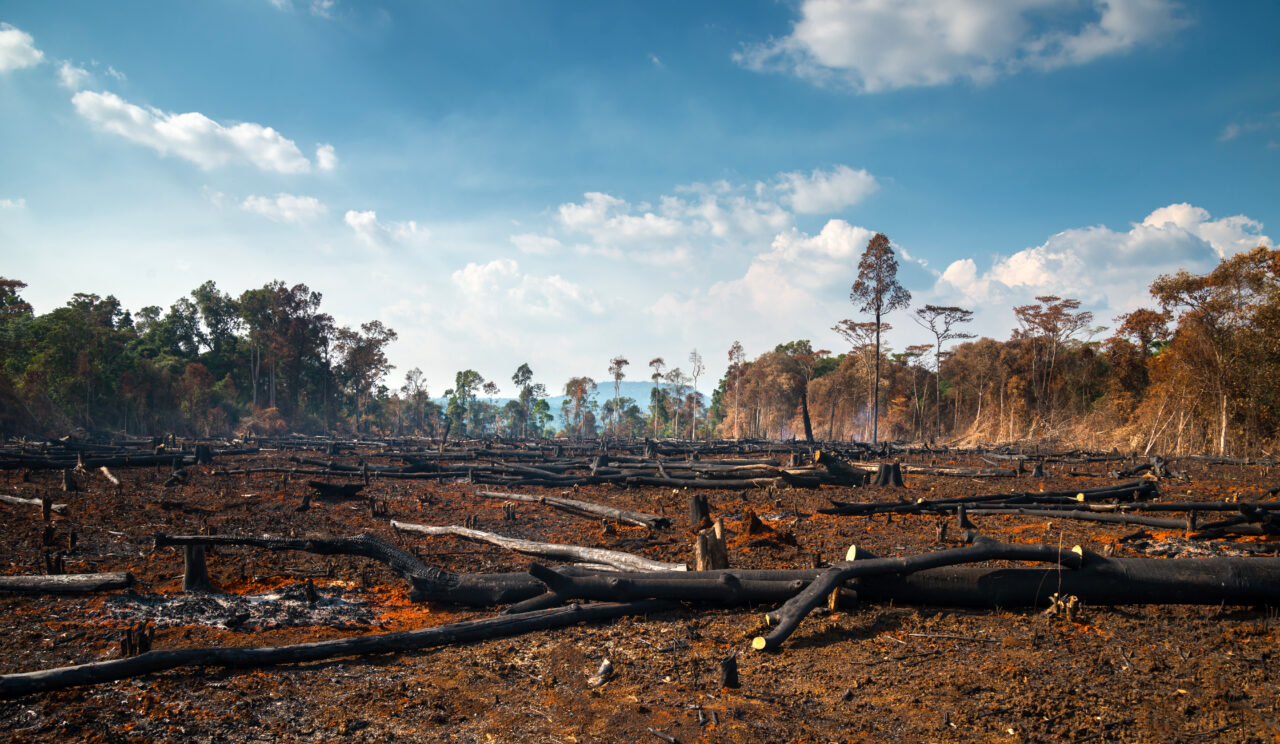
In early September 2024, Typhoon Yagi struck northern Vietnam, bringing with it destructive winds and relentless rains that caused widespread damage. More than 10,000 homes were flooded, roads and bridges were destroyed, and agricultural livelihoods in rural areas were wiped out. However, Yagi was not an isolated catastrophe—it is part of a growing global trend of increasingly extreme weather events.
Over the past year alone, the world has endured record-breaking monsoons in Pakistan, catastrophic wildfires in Australia and the western United States, prolonged drought in the Horn of Africa, and lethal heatwaves spanning from southern Europe to Southeast Asia. Once considered generational anomalies, these disasters are becoming alarmingly common, fueled by the accelerating climate crisis.
The 2024 Vietnam typhoon disaster is far more than a regional weather anomaly—it signals a larger global trajectory. For rural populations reliant on farming, these climate shocks don’t just destroy property; they erase entire ways of life. Furthermore, the aftermath often includes mass displacement and heightened vulnerability to human trafficking and modern slavery.
When Climate Change Drives Exploitation
Climate change should no longer be viewed solely as an environmental issue—it now serves as a major catalyst for human displacement and exploitation. According to the International Organization for Migration (IOM), climate-related events displace more individuals annually than war or violence. In 2023, over 43 million people were forced from their homes due to climate shocks, with Southeast Asia suffering significantly.
In the wake of Typhoon Yagi, rural families in Vietnam migrated en masse to urban hubs like Hanoi and Ho Chi Minh City. Yet this journey is riddled with risk, especially for women and children. With no secure shelter, legal protections, or stable employment, many end up in precarious labor markets where they become easy targets for traffickers and exploitative employers.
Modern slavery often hides in plain sight—it manifests through coercion, debt bondage, wage theft, and the manipulation of desperation. It thrives in the chaos left behind by climate disasters, preying on communities already pushed to the brink.
Not For Sale: Fighting Exploitation at the Intersection of Climate and Justice
At Not For Sale, our mission is to dismantle the root causes that enable human trafficking—and increasingly, this means tackling the climate crisis head-on. We believe that protecting at-risk populations begins with addressing the environmental pressures that drive them into harm’s way.
Across regions such as Southeast Asia, Africa, and Latin America, our teams and partners are cultivating climate-resilient, economically stable communities. This approach allows individuals to remain grounded and safe. Our strategy includes several interconnected efforts:
Emergency Relief & Recovery
When disasters like Typhoon Yagi strike, survival becomes the immediate priority. For this reason, Not For Sale deploys rapid response efforts following destruction. After the storm devastated northern communities, we assisted in rebuilding homes and reuniting families—like Lanh and her children, who were trapped beneath the rubble of their collapsed house.
“All I could do was hold on to my children and pray,” Lanh recalls.
Her story, featured in From the Rubble, is one of many that illustrate the urgent necessity for compassionate and coordinated disaster response. We ensure that survivors have access to food, safe shelter, and trauma-informed support, while also helping them avoid the secondary risks of exploitation and trafficking.
Safe Housing & Education
In Thailand, we support community-led initiatives driven by leaders like Kru Nam, who has devoted her life to rescuing children from exploitation. These efforts include education programs that equip youth with the tools to stay safe—particularly after environmental disasters disrupt their homes and communities.
Ethical Livelihoods
In Peru, we’ve partnered with REBBL, a beverage company, to establish sustainable income streams for Indigenous communities in the Amazon. By sourcing ingredients ethically and investing directly in local enterprises, this collaboration offers dignified alternatives to exploitative labor, especially for those displaced by climate-related upheaval.
Advocacy & Awareness
Not For Sale also engages in global advocacy, working to shine a light on the connection between climate degradation and human trafficking. By sharing real stories from our projects, we raise awareness and push for policy solutions that combine environmental sustainability with human rights protections.
Through these initiatives, Not For Sale demonstrates a holistic strategy—one that recognizes how deeply environmental and human vulnerabilities intersect.
The Full Circle: From Displacement to Desperation
Typhoon Yagi did more than flatten buildings in Vietnam—it fractured the financial stability of thousands of families. Without land to farm or crops to sell, rural villagers are driven into urban chaos. There, they often lack identification, legal rights, or social safety nets. These conditions make them nearly invisible—prime targets for labor recruiters, traffickers, and exploitative industries.
This grim cycle of displacement, desperation, and exploitation has become a recurring outcome of climate-related disasters. And it’s not confined to Vietnam. From coastal fishing communities in the Philippines to parched farmlands in Ethiopia, the same pattern is playing out worldwide. If we fail to intervene at the root, we aren’t just reacting to humanitarian crises—we’re perpetuating them.
Earth Day 2025: A Call to Protect Both People and the Planet
This Earth Day, we are called to look beyond surface-level environmental gestures. While tree-planting and recycling matter, they are not enough. We must confront the deeper, systemic connections between ecological collapse and human suffering.
The 2024 Vietnam typhoon wasn’t just about a storm. It was about inequality. It was about justice. Most of all, it was a wake-up call to build systems that can withstand climate shocks without sacrificing human dignity.
Every step we take to cut carbon emissions, restore natural ecosystems, and promote true sustainability also fights human trafficking. When we safeguard the planet, we are also safeguarding its people.
Be Part of the Solution
The climate crisis is no longer a distant threat—it’s unfolding now, and so is the humanitarian fallout. Still, there is time to act.
At Not For Sale, we are building a future where no one is for sale and the Earth is treated with respect, not disregard. Join us in protecting vulnerable communities, championing climate justice, and preventing exploitation before it begins.
Learn More About Our Global Solutions
Sources:
- IFRC: Millions Affected as Typhoon Yagi Hits Vietnam
- IOM: Environmental Migration
- World Bank: Groundswell Report
- UNODC: Trafficking in Persons and Climate Change
- IPCC Sixth Assessment Report
Published by NOT FOR SALE April 3, 2025


Sign Up to our Newsletter
Join our movement and get the latest updates, stories, and ways to take action, straight to your inbox.