

BYD Factory Shut Down: Workers Exposed to Slave-Like Conditions in Brazil
4.7 MIN READ
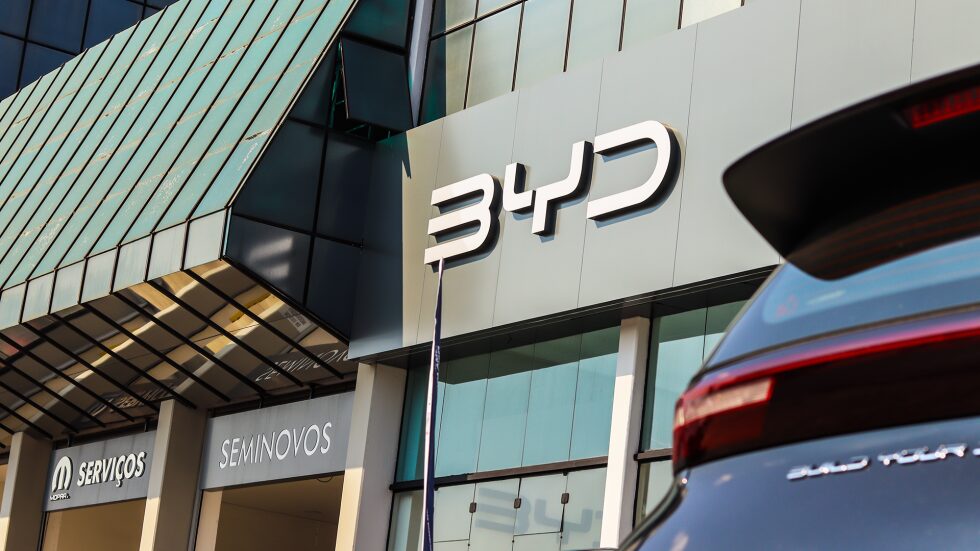
In a shocking revelation, Brazilian authorities have uncovered slave-like working conditions at a BYD electric vehicle (EV) factory construction site. Chinese workers endured withheld wages, confiscated passports, and appalling living environments, casting a grim spotlight on corporate responsibility in the global green energy sector. This incident has sparked international outrage and highlighted the urgent need for ethical standards in the race to electrify transportation.
A Stark Contrast: Green Energy and Exploitation
The narrative surrounding electric vehicles often revolves around sustainability and environmental stewardship. However, the scandal at BYD’s Brazil site underscores the human cost that can sometimes accompany rapid industrial expansion. Reports revealed that workers from China were lured under the promise of decent wages, only to find themselves trapped in exploitative conditions. Brazilian authorities have described the situation as “modern slavery,” with workers forced to endure subhuman conditions while their basic freedoms were stripped away.
At the heart of the issue is the confiscation of workers’ passports, a common tactic used to restrict mobility and enforce compliance. Without identification or financial resources, these individuals were rendered powerless, amplifying their vulnerability.
Corporate Responsibility Under Scrutiny
BYD, a leader in the electric vehicle market, has faced mounting criticism for its apparent failure to ensure ethical practices across its supply chain. This incident raises broader concerns about corporate responsibility and the standards multinational companies apply when operating in foreign markets. How can companies balance rapid expansion with the ethical treatment of workers?
While BYD’s reputation as a pioneer in green technology remains intact, this scandal serves as a reminder that sustainability must encompass not only environmental concerns but also social and human dimensions.
The Role of Advocacy Groups: Not For Sale’s Impact
Amid this troubling news, organizations like Not For Sale stand out as beacons of hope. Dedicated to eradicating forced labor and creating sustainable economic opportunities, Not For Sale actively addresses the systemic issues contributing to exploitation. By partnering with M2i Global, a leader in workforce solutions, and incubating innovative businesses like Regenerate Technology Global, Not For Sale aims to transform industries plagued by unethical practices.
Regenerate Technology Global: Ethical Innovation in Battery Recycling
One of Not For Sale’s most impactful initiatives is its involvement in the development of Regenerate Technology Global, a business dedicated to ethical battery recycling. This enterprise addresses a critical gap in the EV industry: the environmental and ethical challenges of battery disposal. By creating sustainable jobs and prioritizing ethical labor practices, Regenerate Technology Global exemplifies how the green energy sector can operate responsibly.
This initiative not only tackles waste and pollution but also ensures that workers in this emerging field are treated with dignity. By fostering partnerships between advocacy groups and industries, Not For Sale provides a replicable model for tackling exploitation while promoting economic growth.
A Broader Crisis in Worker Rights
The BYD scandal is not an isolated incident but part of a broader trend of exploitation in global supply chains. Industries dependent on low-cost labor are particularly prone to ethical lapses, often due to insufficient oversight and pressure to reduce operational costs. The transition to green energy, while vital for the planet, must not come at the expense of fundamental human rights.
Key Statistics: The Scale of Modern Slavery
According to the International Labour Organization (ILO), nearly 50 million people worldwide are victims of modern slavery. Forced labor generates an estimated $150 billion annually in illicit profits, highlighting the pervasive nature of this issue. Cases like the one at BYD’s factory are stark reminders of the urgent need for systemic change.
What Can Be Done?
Strengthening Legal Frameworks: Governments must bolster legislation to prevent exploitation and ensure stricter penalties for violations. In Brazil, laws already exist to combat forced labor, but enforcement and accountability need significant improvement.
Corporate Transparency: Multinational corporations must adopt transparent policies and conduct regular audits of their supply chains. Ethical certifications and third-party oversight can help ensure compliance with international labor standards.
Consumer Awareness: Consumers play a critical role in demanding accountability. Supporting companies with ethical practices and avoiding those implicated in exploitation can drive industry-wide change.
Advocacy and Partnerships: Organizations like Not For Sale demonstrate the power of advocacy in addressing systemic exploitation. By collaborating with businesses, governments, and consumers, they create sustainable solutions that prioritize human rights.
The Path Forward
The exposure of exploitative practices at BYD’s construction site in Brazil serves as a wake-up call for the global community. It highlights the importance of integrating ethical considerations into every aspect of the supply chain, particularly in industries critical to the future of the planet.
By fostering partnerships, promoting innovation, and demanding accountability, organizations like Not For Sale are charting a path toward a future where sustainability and human dignity coexist. Their work with M2i Global and Regenerate Technology Global underscores the potential for systemic change when advocacy and industry align.
The green energy sector holds immense promise, but it must not overlook the human cost of its progress. The scandal at BYD’s Brazil factory serves as a stark reminder of the need for vigilance, transparency, and unwavering commitment to ethical practices. By addressing these challenges head-on, the global community can ensure that the transition to a sustainable future is as just as it is necessary.
For more insights into Not For Sale’s transformative work, visit their news blog or learn about their initiatives here. Together, we can build a world where innovation and integrity go hand in hand.
Sources
- International Labour Organization (ILO): www.ilo.org
- Not For Sale Campaign: www.notforsalecampaign.org
- M2i Global Workforce Solutions: www.m2i.global
- Regenerate Technology Global: www.regeneratetechnologyglobal.com
- Reuters: www.reuters.com
Published by NOT FOR SALE January 9, 2025


Sign Up to our Newsletter
Join our movement and get the latest updates, stories, and ways to take action, straight to your inbox.