


Report Highlights How Climate, Nature, and Food Crises Are Deeply Interconnected
6.2 MIN READ

The climate crisis is no longer a distant threat; it’s a lived reality for billions across the globe. But climate change does not stand alone in its destructive path. A recent report by the Intergovernmental Science-Policy Platform on Biodiversity and Ecosystem Services (IPBES) underscores an unsettling truth: climate change, biodiversity loss, and food insecurity are not separate crises but deeply interconnected challenges that demand unified, holistic solutions. As humanity grapples with these issues, the question is no longer if action is needed but how urgently and comprehensively we can respond.
The IPBES report paints a sobering picture of our planet’s health, yet it’s also a call to action—one that presents an opportunity to reimagine a sustainable future for both people and the planet. This ethos resonates with initiatives like Not For Sale, which advocate for systemic change that safeguards human and ecological well-being.
The Ripple Effect of a Compounded Crisis
The IPBES findings reveal how climate change exacerbates biodiversity loss, which in turn destabilizes food systems. This trifecta creates a vicious cycle. Rising temperatures and erratic weather patterns disrupt ecosystems, causing species migration, extinction, and habitat degradation. The loss of biodiversity then undermines agricultural productivity, as pollinators vanish, soil health declines, and natural pest controls weaken.
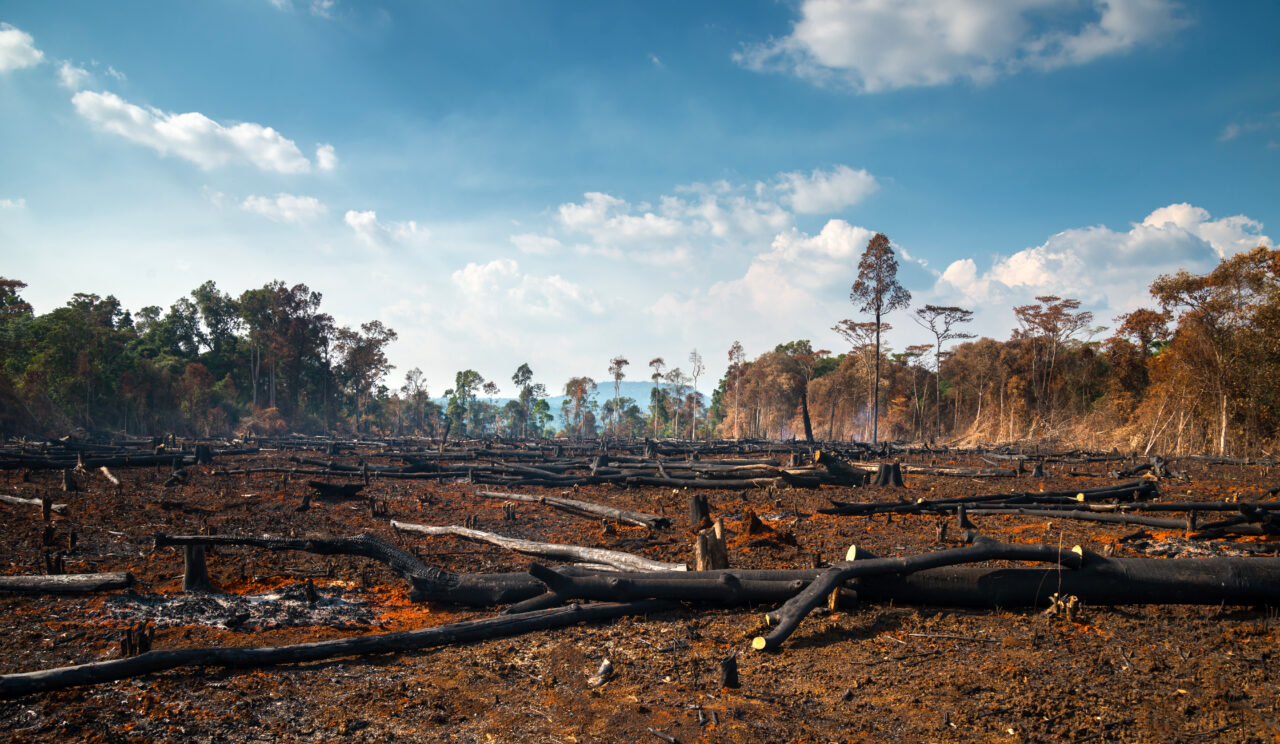
Simultaneously, industrialized agriculture—a primary driver of deforestation and habitat destruction—contributes significantly to greenhouse gas emissions. The result? A feedback loop where our efforts to produce food deplete the very ecosystems that make food production possible. According to the IPBES, nearly 70% of biodiversity loss globally can be traced back to agricultural activities.
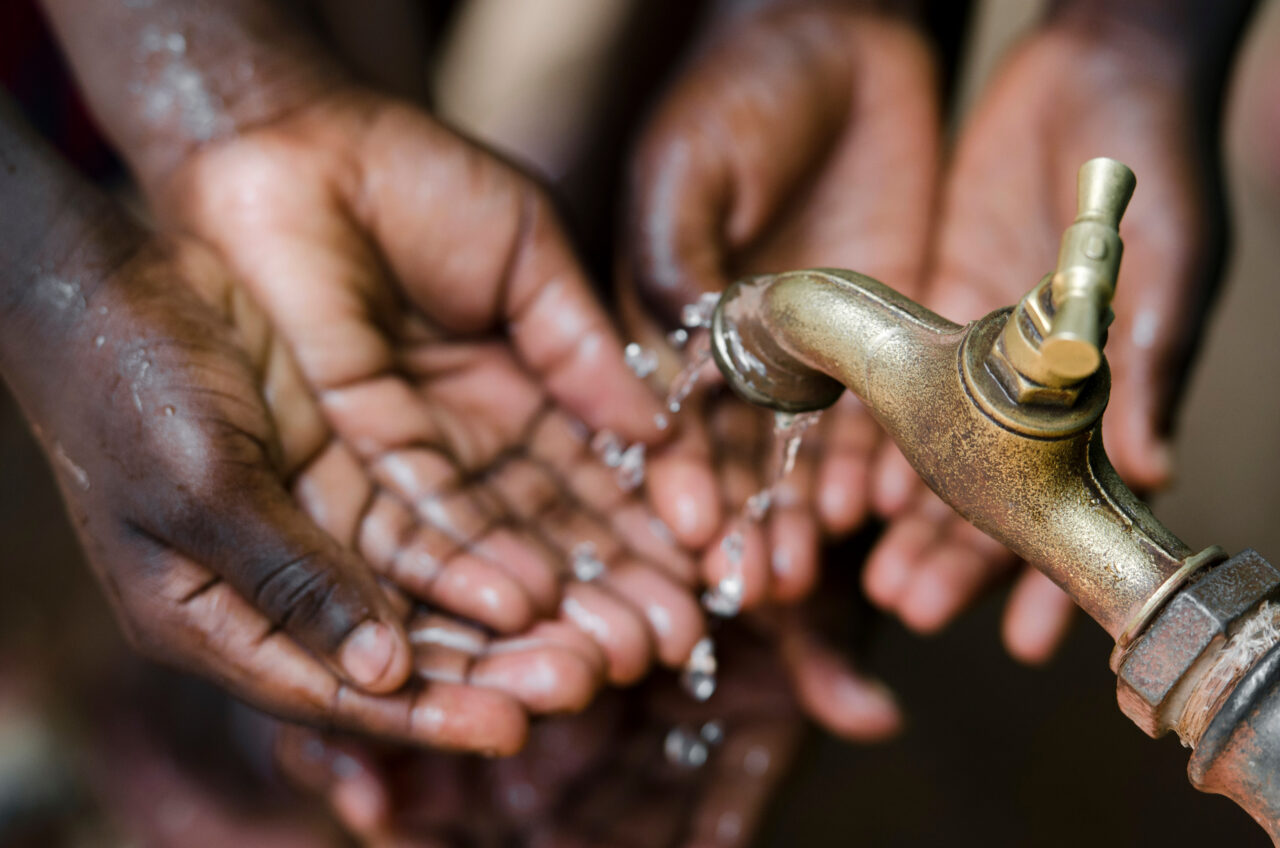
In practical terms, this means communities that rely on subsistence farming or fishing are increasingly vulnerable. In sub-Saharan Africa, for example, prolonged droughts and the collapse of fish stocks have left millions without reliable sources of nutrition. Meanwhile, industrialized nations face different but interconnected challenges, as over-reliance on monoculture crops and unsustainable supply chains threatens long-term food security.
An example of combating this compounding crisis can be seen in the Peruvian Amazon, where Not For Sale has been working for nearly 20 years to support the resilience of over 4,400 indigenous people. As part of these efforts, Not For Sale has built fish ponds to provide sustainable sources of protein while alleviating pressure on overfished rivers. This initiative demonstrates how regenerative practices can address both food insecurity and ecosystem restoration. Read more about the Peruvian Amazon Rainforest here.
The Human Toll: Vulnerability and Inequality
The human cost of these intertwined crises is staggering. Marginalized communities often bear the brunt of climate-related disasters, biodiversity loss, and food insecurity. Coastal villages face rising seas and dwindling fish populations; indigenous groups struggle to defend their ancestral lands from deforestation and extractive industries; urban centers grapple with heatwaves, water shortages, and soaring food prices.
What’s more, these crises exacerbate existing inequalities. Women, for instance, make up a significant proportion of the agricultural workforce in developing countries, yet they often have less access to resources like land, credit, and technology. This limits their ability to adapt to changing conditions. Similarly, smallholder farmers and fisherfolk—key stewards of biodiversity—frequently lack the financial and institutional support needed to transition to sustainable practices.
It’s not just about environmental degradation; it’s about justice. Protecting biodiversity and mitigating climate change are inextricably linked to protecting human rights and livelihoods.
Solutions: A Unified Path Forward
The good news is that solutions exist, and they can be transformative. The IPBES report emphasizes the need for integrated approaches that address the root causes of these crises rather than treating their symptoms, an approach already being championed by Not For Sale with the work they are doing with ‘upstream’ issues for vulnerable communities.
Regenerative Agriculture
One promising avenue is regenerative agriculture, which focuses on restoring soil health, enhancing biodiversity, and capturing carbon. Practices like crop rotation, agroforestry, and organic farming can reduce greenhouse gas emissions while improving yields and resilience. For example, the “30×30” initiative, which aims to protect 30% of the planet’s land and oceans by 2030, could support such transitions by safeguarding critical ecosystems.
Rewilding and Habitat Restoration
Rewilding—the process of returning landscapes to their natural states—is another powerful tool. By reintroducing native species and restoring habitats, we can rebuild ecosystems that support biodiversity and regulate climate. Projects like the rewilding of Europe’s Carpathian Mountains or the restoration of mangroves in Southeast Asia have demonstrated the potential of these efforts to combat both biodiversity loss and climate change.
Circular Economies
In the food sector, adopting circular economy principles can reduce waste and lower emissions. This involves rethinking how food is produced, distributed, and consumed. Innovations like vertical farming, plant-based proteins, and sustainable aquaculture are paving the way for a more efficient and environmentally friendly food system.
An inspiring example of this approach comes from Not For Sale, which launched the social enterprise beverage company REBBL to promote sustainable practices in the industry. REBBL, now available in every Target store across the United States, exemplifies how businesses can drive change. By prioritizing plant-based ingredients and ethical sourcing, REBBL not only provides consumers with healthier beverage options but also minimizes environmental impact. In 2024, REBBL’s commitment to innovation was recognized when it won the World Beverage Innovation Award for Plant-Based Beverages. You can learn more about REBBL’s mission here.
Policy and Global Cooperation
Policy measures are equally critical. Governments must align their climate, biodiversity, and agricultural policies to avoid contradictory goals. For instance, subsidies for industrial farming that encourage deforestation should be replaced with incentives for sustainable practices. International agreements, such as the Paris Accord and the Global Biodiversity Framework, provide a foundation for collaborative action, but these frameworks need robust implementation and accountability mechanisms.
A Moral and Pragmatic Imperative
The interconnected crises of climate change, biodiversity loss, and food insecurity are more than an environmental issue; they’re a moral imperative. They challenge us to rethink our relationship with nature and with one another. Solutions that prioritize equity, sustainability, and resilience are not just idealistic; they are essential for long-term survival.
Organizations like Not For Sale demonstrate how grassroots initiatives can make a difference by empowering communities, advocating for policy change, and fostering collaboration between stakeholders. Such efforts remind us that while the scale of the challenge is daunting, the potential for meaningful impact is enormous.
A Call to Action
The IPBES report is both a warning and a roadmap. It tells us that the crises we face are deeply interconnected, but so are their solutions. Protecting people and the planet requires breaking down silos—in policymaking, in activism, and in the way we think about global challenges.
From regenerative agriculture to rewilding, from community empowerment to international cooperation, the tools for a sustainable future are within our grasp. The question is whether we will use them with the urgency and unity they demand. As the IPBES warns, the stakes couldn’t be higher. But the opportunity to build a future that harmonizes human and ecological well-being is one we cannot afford to miss.
Sources
- IPBES Report: “Biodiversity and Ecosystem Services in Crisis”
- Reuters: “Interlinked Crises of Climate, Food, and Nature”
- UN FAO: “State of Food Security and Nutrition in the World”
- National Geographic: “The Role of Regenerative Agriculture in Fighting Climate Change”
- World Resources Institute: “Strategies for a Sustainable Food Future”
- Scientific American: “Rewilding: Restoring Nature to Combat Biodiversity Loss”
Published by NOT FOR SALE January 6, 2025


Sign Up to our Newsletter
Join our movement and get the latest updates, stories, and ways to take action, straight to your inbox.