


The EU Adopts Landmark Corporate Sustainability Due Diligence Directive: A New Era for Business Accountability
5.4 MIN READ
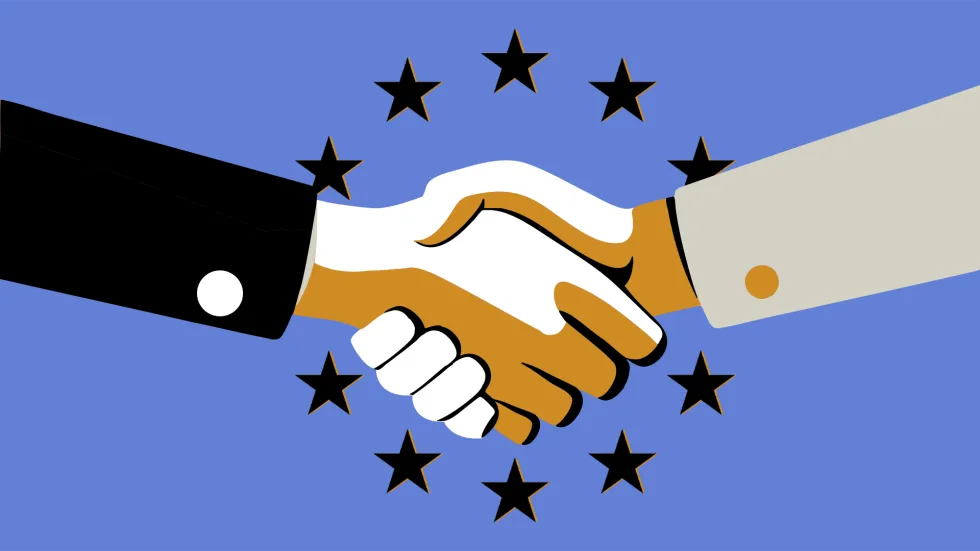
Transforming Global Business with Ethical Oversight
In a bold move that could redefine the corporate landscape, the European Union has adopted the Corporate Sustainability Due Diligence Directive (CSDDD). This groundbreaking legislation mandates that companies identify and mitigate human rights violations and environmental harm throughout their supply chains. Widely regarded as a landmark in international business and human rights law, the directive signals a new era of corporate accountability—one that prioritizes ethical practices alongside profits.
The directive’s adoption represents years of negotiation, public advocacy, and legal refinement. It reflects the EU’s commitment to addressing global challenges such as forced labor, deforestation, and environmental degradation. But what does this mean for businesses, and how will the directive be enforced? Let’s dive into the implications, challenges, and opportunities presented by this transformative piece of legislation.
A Directive Born Out of Necessity
The CSDDD is not an isolated development but a response to growing evidence of corporate complicity in human rights abuses and environmental destruction. Over the past two decades, public awareness of unethical practices in global supply chains has surged. High-profile cases, such as labor violations in the garment industry and environmental catastrophes linked to resource extraction, have highlighted the urgent need for regulation.
According to a report from the European Commission, voluntary corporate social responsibility initiatives have proven insufficient in addressing these issues. The CSDDD aims to bridge this gap by establishing legally binding obligations for companies to:
- Identify Risks: Conduct thorough due diligence to uncover human rights abuses and environmental harm within their operations and supply chains.
- Prevent and Mitigate Harm: Implement measures to prevent violations and mitigate risks where they exist.
- Provide Remediation: Offer remedies to those affected by corporate wrongdoing, including victims of forced labor and communities harmed by environmental degradation.
Key Provisions and Scope
Who Is Affected?
The directive applies to large companies operating within the EU, as well as non-EU companies with significant operations in the region. Specifically:
- EU Companies: Businesses with more than 500 employees and €150 million in net worldwide turnover.
- Non-EU Companies: Enterprises with a turnover of at least €150 million in the EU.
Additionally, a phased approach extends the requirements to smaller companies in high-risk sectors such as textiles, agriculture, and minerals.
What Is Required?
Under the directive, companies must establish robust due diligence processes that include:
- Supply Chain Mapping: Identifying suppliers and assessing their adherence to ethical standards.
- Stakeholder Engagement: Consulting with affected parties, such as workers and local communities.
- Public Reporting: Publishing annual reports detailing due diligence efforts and outcomes.
- Grievance Mechanisms: Creating accessible channels for individuals to report violations.
Enforcement and Penalties
Compliance will be monitored by national authorities in EU member states, with mechanisms for cooperation and information sharing. Non-compliance could result in significant financial penalties and reputational damage, alongside potential legal liability for harm caused.
Challenges in Implementation
While the directive sets a high bar for corporate accountability, implementing its provisions will be no small feat. Businesses face several challenges, including:
Complexity of Supply Chains
Modern supply chains are sprawling, intricate networks involving numerous suppliers and sub-suppliers. Tracing the origins of raw materials or ensuring ethical practices in distant factories requires significant resources and expertise.
Balancing Costs
Compliance with the CSDDD entails substantial investment in monitoring systems, training, and reporting. For smaller companies in high-risk sectors, these costs could be prohibitive.
Enforcement in Non-EU Jurisdictions
Ensuring compliance across international borders adds another layer of complexity. How will the EU’s jurisdictional reach affect suppliers operating in countries with weak labor laws or lax environmental regulations?
Opportunities for a Sustainable Future
Despite these challenges, the CSDDD offers significant opportunities for businesses willing to embrace its principles. By aligning with the directive, companies can:
Build Consumer Trust
Today’s consumers are more informed and ethically conscious than ever before. Demonstrating a commitment to human rights and environmental sustainability can enhance brand reputation and foster customer loyalty.
Gain Competitive Advantage
Early adopters of robust due diligence practices will likely gain a competitive edge. Ethical supply chains can differentiate companies in crowded markets and attract socially responsible investors.
Drive Innovation
The directive’s requirements encourage companies to rethink traditional business models. Innovations in supply chain management, sustainable sourcing, and ethical labor practices could yield long-term benefits.
Contribute to Global Goals
By addressing human rights abuses and environmental harm, businesses can align with broader international objectives such as the United Nations’ Sustainable Development Goals (SDGs).
Broader Implications
The CSDDD’s impact extends beyond the EU’s borders. As one of the world’s largest markets, the EU’s regulatory actions often set global standards. Non-EU companies seeking access to European consumers will need to comply, creating ripple effects across industries worldwide.
Additionally, the directive complements other regulatory initiatives, such as the EU’s Carbon Border Adjustment Mechanism and the US’s Uyghur Forced Labor Prevention Act. Together, these measures signal a shift toward more responsible globalization—one where ethical considerations take precedence over unchecked profit.
Criticisms and Future Directions
While the CSDDD is widely hailed as a progressive step, it has not escaped criticism. Some stakeholders argue that the directive’s scope is too narrow, excluding smaller companies and indirect suppliers. Others contend that its enforcement mechanisms lack sufficient teeth, particularly in holding non-EU entities accountable.
To address these concerns, policymakers and advocates are calling for:
- Expanded Coverage: Including more sectors and smaller companies in future iterations of the directive.
- Stronger Enforcement: Enhancing penalties and oversight to ensure meaningful compliance.
- Capacity Building: Supporting businesses, especially small and medium-sized enterprises (SMEs), in implementing due diligence processes.
The Corporate Sustainability Due Diligence Directive marks a watershed moment in the global push for ethical business practices. By holding companies accountable for their impact on people and the planet, the EU is setting a powerful precedent—one that challenges businesses to think beyond short-term profits and embrace long-term sustainability.
The road ahead will not be without obstacles, but the potential rewards are immense. From safeguarding human rights to protecting fragile ecosystems, the CSDDD offers a blueprint for a more equitable and sustainable future. As businesses rise to meet these challenges, they have the opportunity to not only comply with the law but to lead the way in creating a better world for all.
Sources
- European Commission: “Proposal for a Directive on Corporate Sustainability Due Diligence”
- Financial Times: “EU Adopts Landmark Corporate Sustainability Directive”
- United Nations: “Guiding Principles on Business and Human Rights”
- Corporate Justice Coalition: “Briefing on Corporate Sustainability Due Diligence”
Published by NOT FOR SALE December 23, 2024



Sign Up to our Newsletter
Join our movement and get the latest updates, stories, and ways to take action, straight to your inbox.