Extreme Heat Puts Garment Factory Workers at Risk
Climate Change Turns Up the Heat on Garment Industry Supply Chains As the planet warms, the impact of climate change is rippling…

Climate Change Turns Up the Heat on Garment Industry Supply Chains
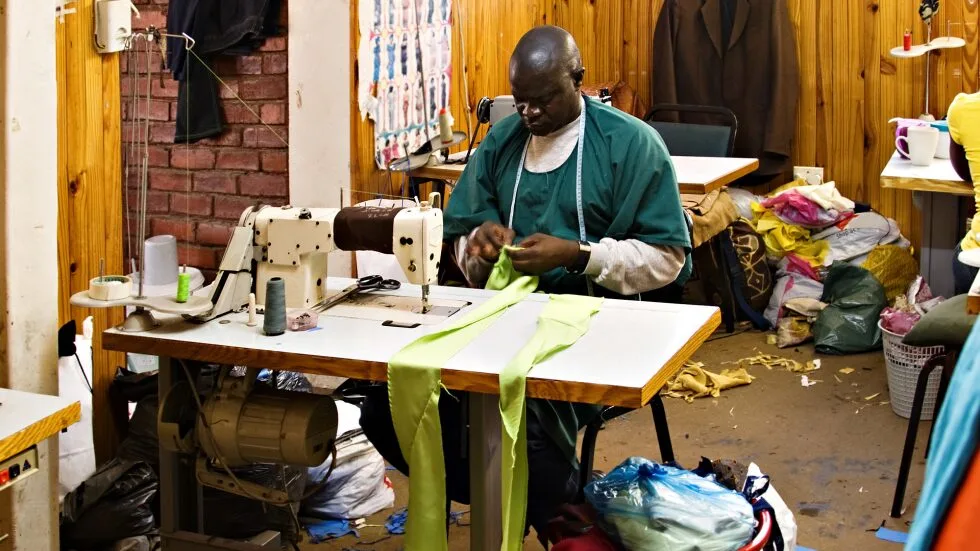
As the planet warms, the impact of climate change is rippling through industries in unexpected ways. Garment factory workers in Bangladesh, Vietnam, and Pakistan find themselves on the frontlines of this crisis, battling extreme heat that threatens their health and livelihoods. According to a groundbreaking study by Cornell University’s Global Labor Institute, which analyzed data from over 100 factories in Bangladesh, Vietnam, and Pakistan, workers are increasingly exposed to dangerous working conditions exacerbated by rising temperatures (Cornell University Global Labor Institute). This revelation not only highlights a pressing humanitarian issue but also poses a significant challenge for multinational fashion giants like Inditex, H&M, and Nike, which are now under pressure to address these risks as part of their supply chain responsibilities.
Rising Temperatures, Rising Risks
The study’s findings paint a stark picture: the combination of poor ventilation, inadequate cooling systems, and soaring outdoor temperatures creates a hazardous environment for garment factory workers. Factories in South Asia, often densely packed and poorly insulated, trap heat, turning them into literal sweatshops. Workers report symptoms of heat stress, including dizziness, nausea, and exhaustion, with studies noting an increase in heat stroke cases by 25% over the past five years (Reuters).
“For many garment workers, the factory floor is a furnace,” says Jason Judd, Executive Director at the Cornell Global Labor Institute. “Their productivity suffers, their health deteriorates, and their lives are at risk.”
The rising temperatures also have broader implications. According to the International Labour Organization, productivity can drop by as much as 20% in extreme heat conditions, leading to missed deadlines and strained relationships between factories and the multinational corporations they supply (Reuters).
New Legal Landscape Puts Brands Under the Microscope
Adding to the urgency of the issue are new regulations from the European Union that mandate companies address environmental and social risks in their supply chains. Under these laws, brands like H&M, Nike, and Inditex are legally obligated to ensure their operations—including their overseas factories—meet safety and environmental standards, such as maintaining workplace temperatures below 30°C (European Union).
The legislation represents a seismic shift in corporate accountability. For decades, many global brands have outsourced the manufacturing of their products to countries with lower labor costs, often turning a blind eye to substandard working conditions. Now, failure to comply with these laws could result in heavy fines, reputational damage, and even legal action.
“Climate change is no longer an abstract issue for multinational corporations,” explains Ayesha Khan, an expert in labor law and corporate governance. “These brands must now grapple with the realities of climate-induced risks, not just in their boardrooms but on the factory floor.”
Innovative Solutions for Garment Factory Workers
While the challenges are daunting, they are not insurmountable. Several factories and organizations have begun implementing measures to mitigate the impact of extreme heat. Innovations include retrofitting factories with better ventilation systems, installing heat-reflective roofing, and providing garment factory workers with hydration stations and mandatory cooling breaks.
In Bangladesh, one factory piloted an initiative to introduce evaporative cooling systems that lower indoor temperatures by up to 10°C, benefiting over 500 workers and reducing absenteeism by 15% (Reuters). The results have been promising, with reduced heat-related illnesses and improved productivity. Similarly, in Vietnam, the government has partnered with non-profits to offer training programs that educate factory managers and workers on recognizing and responding to heat stress symptoms.
These solutions, while effective, require significant investment. This is where multinational corporations can play a crucial role. By allocating funds to improve factory infrastructure and providing incentives for sustainable practices, these companies can ensure not only compliance with regulations but also the well-being of their workforce.
The Business Case for Worker Safety
Beyond the ethical imperative, addressing extreme heat in garment factories makes good business sense. Healthy, comfortable workers are more productive and less likely to make errors, leading to higher-quality products and fewer disruptions in the supply chain. Moreover, brands that take proactive steps to improve working conditions stand to gain consumer trust and loyalty in an era where corporate responsibility is increasingly tied to brand value.
“Consumers want to know that the clothes they buy are made under fair conditions,” notes Maria Gonzalez, a sustainability consultant for the fashion industry. “Transparency and accountability are no longer optional; they are prerequisites for success.”
Broader Implications for Climate Justice
The plight of garment workers underscores a broader issue: those least responsible for climate change often bear its brunt. For example, workers earning as little as $2 a day face the highest risks, creating what experts describe as a “climate justice crisis” (Cornell University Global Labor Institute).”
Addressing these inequities requires a multi-stakeholder approach. Governments must enforce labor laws and environmental regulations, while multinational brands must commit to ethical supply chain practices. Non-governmental organizations and academic institutions can provide the research and advocacy needed to drive systemic change.
Call to Action: The Role of Consumers
Consumers also have a part to play. By supporting brands that prioritize worker safety and sustainability, individuals can drive demand for ethical practices. Initiatives like the Fashion Transparency Index provide tools for consumers to evaluate how well brands adhere to social and environmental standards.
“Every purchase is a vote for the kind of world we want to live in,” says Judd. “If enough people demand accountability, companies will have no choice but to act.”
Turning Up the Heat on Inaction
The findings of the Cornell study serve as both a warning and a call to action. Extreme heat in garment factories is not merely a climate issue; it is a human rights issue, a labor issue, and a corporate responsibility issue. As temperatures rise, so too must the commitment of governments, corporations, and consumers to address these challenges head-on.
In the end, ensuring safe working conditions for garment factory workers is not just about compliance or avoiding legal repercussions. It is about valuing human lives and recognizing that a sustainable future requires equity and justice for all—from the factory floor to the global marketplace.
Sources
- Reuters: “Study shows extreme heat in garment factories poses risks”
- Cornell University Global Labor Institute: “Extreme Heat and Labor Risks”
- EU Legislation on Supply Chain Accountability: “New Regulations on Corporate Responsibility”
For more insights and updates on climate change, sustainability, and the garment industry, visit our news page and stay informed.
NOT FOR SALE
Related Articles