Why trafficking survivors get stranded after scam compound raids
Months after Cambodia stepped up its crackdown on scam compounds, hundreds of former workers were still stranded. Some were without passports that had been confiscated. Others faced detention or could not afford the journey home.

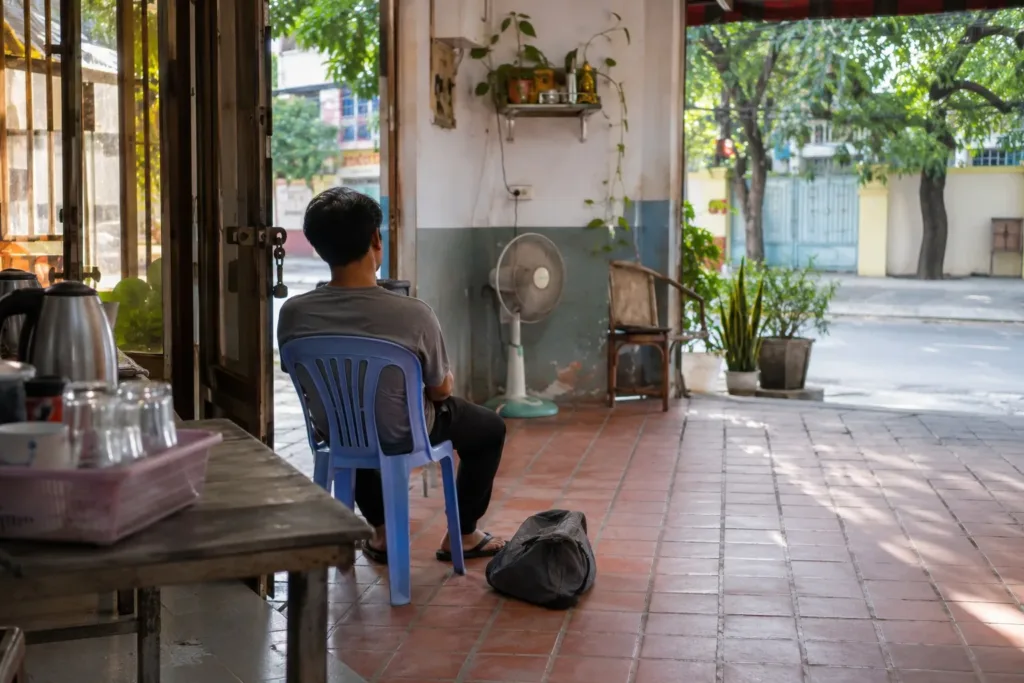
Some people who left Cambodia’s scam compounds ended up sleeping outside. Others told the Associated Press they had spent time in detention before aid organisations helped them pay for flights. The AP reported on 5 November 2026 that hundreds of former workers were still stranded.
On 10 November, the Philippine News Agency reported that the Philippines’ Department of Migrant Workers had warned of delays for workers trying to return from Cambodia and Myanmar. Detention and local legal proceedings can keep people in the country. The department had reported monitoring the cases of 51 Filipino nationals detained in Cambodia over alleged involvement in scam operations.
How recruiters draw people into scam compounds
The International Organization for Migration has documented recruiters using social media to advertise apparently legitimate jobs abroad. Some targeted people with language or technology skills. Inside the compounds, supervisors could enforce fraud targets with threats or violence.
UN Human Rights drew primarily on interviews with 19 trafficking survivors for its February 2026 report on scam operations. It documented confiscated passports and restricted movement. Some workers said they were prevented from leaving even after an agreed period of work had ended. Someone can be coerced after arriving, even if they had some idea of the work before they took the job.
Online fraud can leave the people targeted with serious financial losses. A message can help investigators trace the fraud to an account. They still need to establish who directed the operation and whether the person using that account was free to refuse. Making someone commit offences in this way is a form of exploitation known as forced criminality.
The decisions that follow a raid
After a raid, police may be collecting evidence of fraud while immigration officers establish who has permission to stay. A trafficking assessment looks at how the person was recruited and whether they could leave. The UN Office on Drugs and Crime urges fraud investigators to work with trafficking specialists and actively look for signs of coercion.
Cambodian officials told the AP earlier in 2026 that people leaving the centres were screened and that identified trafficking victims received shelter, medical care and help returning safely. The AP documented former workers who said they had slept outside or been detained while trying to get home.
Someone who has spent months under surveillance may be wary of speaking in front of other people. A private interview and an interpreter where needed can help them explain who held their documents or what happened when they tried to leave. ASEAN guidance calls for early screening and for investigators to consider how any alleged offence relates to the exploitation.
Why the journey home can take months
A person whose passport was taken can leave a compound with no usable proof of nationality. The consulate may need to verify their identity and issue a travel document. The country where they are staying may have immigration or criminal proceedings to resolve. If the route passes through another country, officials there may need to agree to the transfer. A confirmed identity still leaves the cost of travel and the question of who can receive the person on arrival.
Myanmar state media reported on 11 November that 14,222 foreign nationals had been returned from the Myawady area through Thailand between 30 January 2025 and 10 November 2026. The same tally recorded 680 people still awaiting return. The figures count repatriations and people waiting to leave. They give no breakdown of how many were recognised as trafficking victims.
Without a place to stay, it can be harder to keep in touch with a consulate or make it to a medical appointment. UN Human Rights recommends making shelter, health care and legal assistance available to people trafficked into scam operations, including while their legal status is being resolved.
What trafficking agreements say about safe return
The ASEAN Convention Against Trafficking in Persons calls on its parties to establish procedures for identifying victims. Under Article 14, parties must consider, in appropriate cases and subject to domestic law and policy, whether to withhold criminal or administrative liability for unlawful acts directly related to a person’s trafficking.
Under Article 15 of the convention, a party can ask another party to issue travel papers for a trafficking victim who is a national or has qualifying permanent residence there. The UN trafficking protocol also requires states returning a victim to take account of their safety and any relevant legal proceedings. The protocol says return should preferably be voluntary.
What happens once someone gets home
In July, the International Organization for Migration described survivors returning with little money, debt and trauma. Some families had borrowed money or sold assets to pay for what looked like a job opportunity or to meet a ransom demand. Those debts can still be waiting when someone steps off the plane. Support after arrival can include help finding housing or work, and UN Human Rights identifies access to remedies such as compensation as part of recovery.
Not For Sale
A global movement fighting modern-day slavery and ecocide in 33 countries. Building on the frontlines since 2007.